Department of Neurobiology
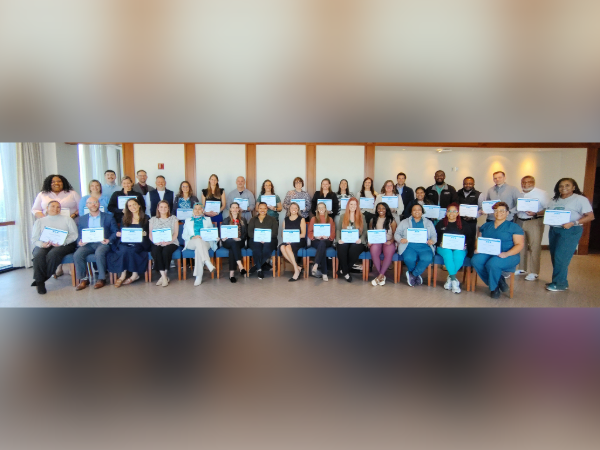
Thirty-seven UAB employees recently graduated from the Emerging Leaders Workshop fall 2026 leadership development program. ELW offers a leadership development opportunity for emerging leaders at a manager, director, or similar level. The program, presented by the UAB Medicine Leadership Development Office (LDO), recognized its sixth cohort of graduates at a ceremony on Oct. 29.
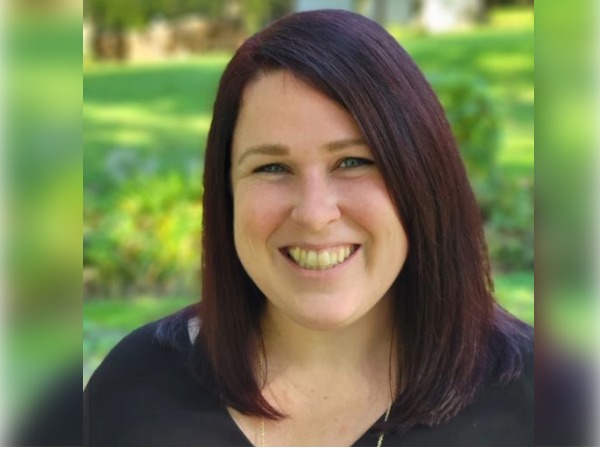
Kirstie Cummings, Ph.D., Assistant Professor in the Department of Neurobiology, has been named Associate Director for Trainee Engagement and Education in the UAB Comprehensive Neuroscience Center (CNC).
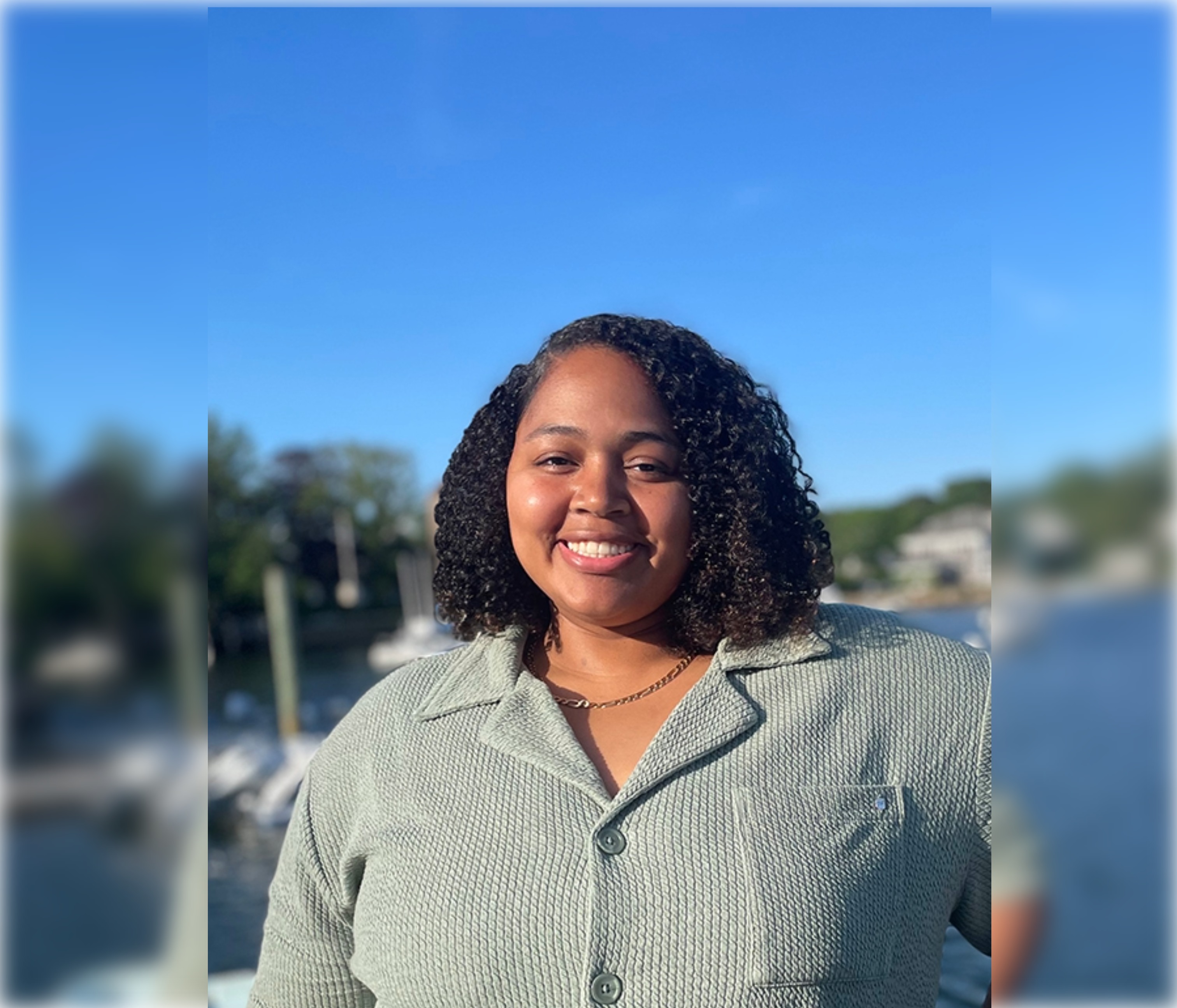
A study from the lab of Alecia K. Gross, Ph.D., professor and vice chair for Research and Research Infrastructure in the Department of Neurobiology, was recently published in Aging Cell. The paper, titled “Mitochondrial Genetic Background Shapes Baseline Retinal Function, Age-Related Bioenergetic Remodeling, and Microglial STING Phenotypes," investigated how differences in mitochondrial DNA influence retinal function, aging-related changes in mitochondrial biology, and immune responses in the retina. The study's first author was McKenna Somerville, a graduate student in the Gross Lab.
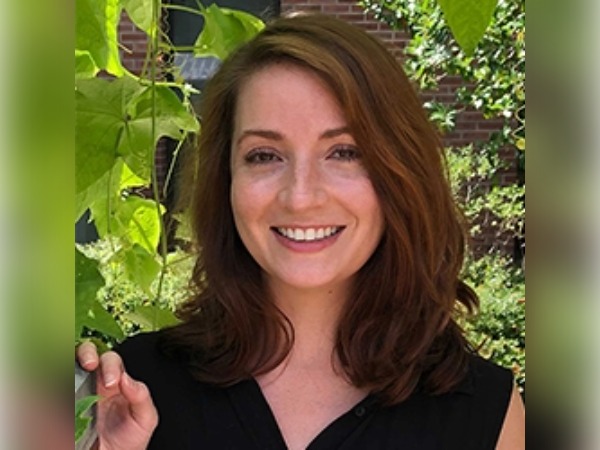
The Brain and Behavior Research Foundation (BBRF) is the largest private funder of mental health research grants, dedicated to alleviating suffering caused by mental illness by supporting scientific discoveries that advance prevention, diagnosis, and treatment. This year, Elizabeth Doncheck, Ph.D., assistant professor in the Department of Neurobiology, has been selected to receive a 2026 BBRF Young Investigator Grant.
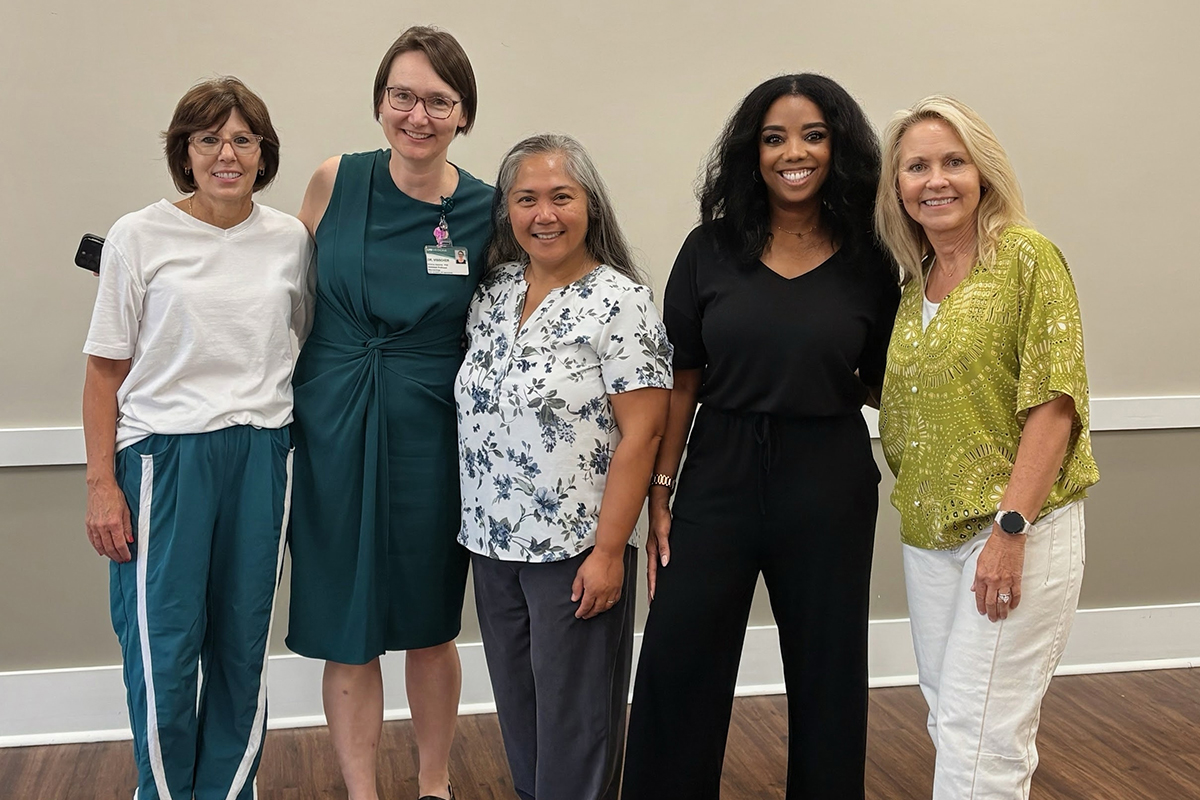
On Sept. 22, Farah Lubin, Ph.D., distinguished Triton Endowed Professor and vice chair of Trainee Engagement and Development in the Department of Neurobiology, joined the Gardendale Civic Center’s 55+ fitness event to discuss how the American Heart Association’s Life’s Essential 8 can promote healthy aging and support lifelong brain and body health.
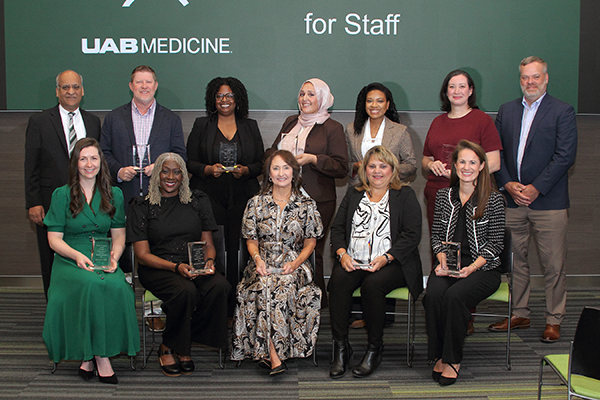
Ten staff members of the UAB Marnix E. Heersink School of Medicine have been named recipients of the 2026 Dean’s Excellence Awards for Staff. Now in its fourth year, the award recognizes staff who go beyond the expectations of their roles to advance Heersink’s core missions of education, clinical care, and research.
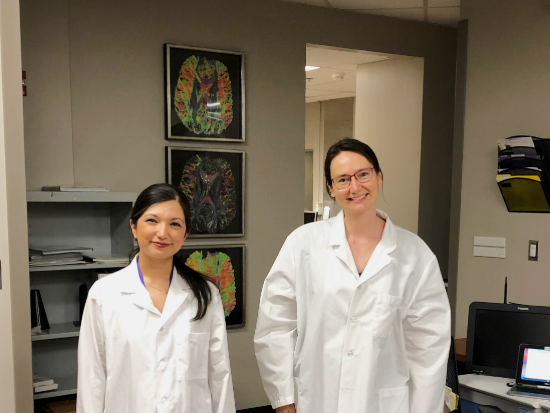
Every brain is wired somewhat differently, but a new study led by Pinar Demirayak, Ph.D., a researcher in the lab of Kristina Visscher, Ph.D., associate professor in the Department of Neurobiology, suggests that the parts used most for demanding, attention-heavy tasks may become the most distinctly personal of all. The study, published in the Journal of Neuroscience, explores the broader idea that experience reshapes neural connections, making the brain's networks better suited to their lived environment.
A study led by Jacques Wadiche, Ph.D., and Linda Overstreet-Wadiche, Ph.D., professors in the Department of Neurobiology, was published in Nature Neuroscience, titled "Glutamate concentration tunes AMPA receptor function through conductance-state occupancy." Co-authors include Gokulakrishna Banumurthy, Reagan L. Pennock, Luke T. Coddington, Xiaohui Yan, and Gabrielle N. Smith.
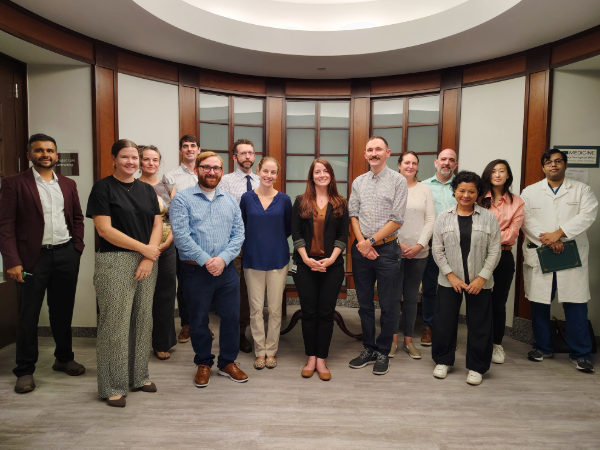
The UAB Medicine Leadership Development Office (LDO) recently recognized 14 individuals in its ninth cohort of Sharing Authentically to Inspire and Lead (SAIL). The fall 2026 graduates received their certificates on Sept. 1.
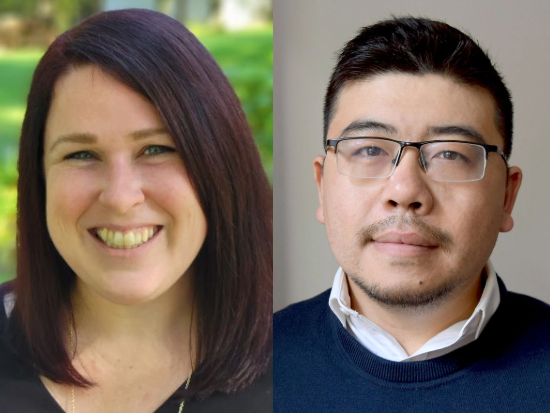
Cummings, Sun receive FCIDD McNulty Civitan Scientist Award for postnatal brain development research
Kirstie Cummings, Ph.D., and HaoSheng Sun, Ph.D., have been selected for the 2026-2027 FCIDD McNulty Civitan Scientist Award.
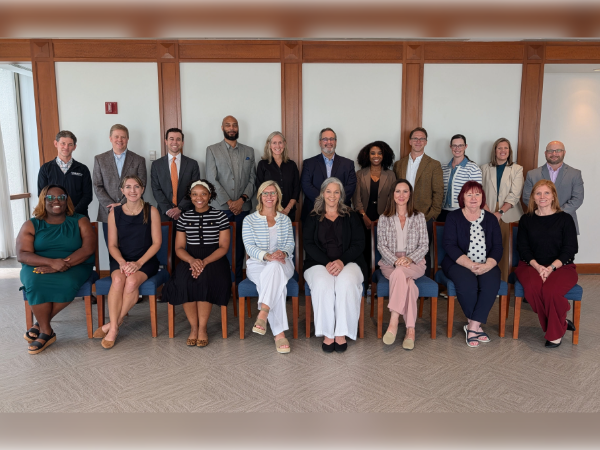
The UAB Medicine Leadership Development Office (LDO) recently welcomed 19 individuals in its 13th cohort of Institute for Leadership for fall 2026.
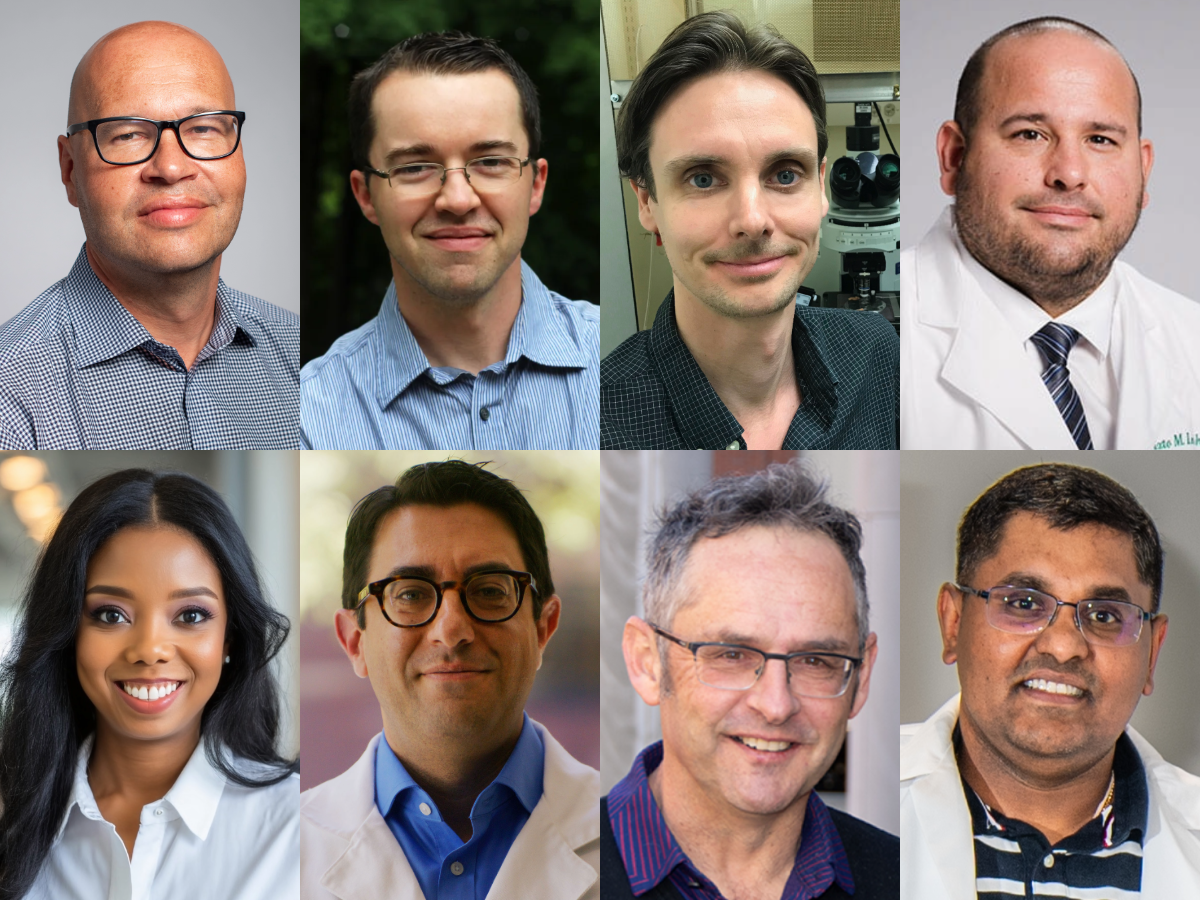
Eight research teams have been selected as the inaugural recipients of the Heersink School of Medicine’s Team Science Grant Program. The funded teams will tackle a wide range of health challenges while laying the groundwork for future large-scale research initiatives.
In this installment, Jeremy Day, Ph.D., professor and vice chair for Strategic Planning and Recruitment in the Department of Neurobiology, discusses his research on the brain's reward system and how genetic insights are paving the way for targeted therapies.

The statistics are startling: more than 7 million Americans age 65 and older are living with Alzheimer’s disease, a figure that is projected to double by 2060. In Alabama, over 103,000 people age 65 and older—nearly 12% of seniors—have been diagnosed with Alzheimer’s. Alabama has the sixth highest Alzheimer's disease mortality rate in the nation.

In this installment, Ming Meng, Ph.D., professor in the Department of Neurobiology, explores his research using brain imaging, behavioral experiments, and computational modeling to study how perception, attention, and mental imagery work together to shape conscious experience.

The UAB Marnix E. Heersink School of Medicine is proud to announce the winners of the 2026 Dean's Excellence Awards for Faculty, recognizing exceptional faculty members who have demonstrated excellence in teaching, research, service, access and engagement, and mentorship.

UAB Medicine’s Leadership Development Office (LDO) recognized eight faculty members who graduated from cohort 8 of the SAIL (Sharing Authentically to Inspire and Lead) program for spring 2026. The program supports junior faculty as they develop authentic leadership approaches, strengthen professional networks, and navigate the unique challenges of early academic careers.

Farah Lubin, Ph.D., FAES, distinguished Triton Endowed Professor and Vice Chair of Trainee Engagement and Development, has been honored with the AES Distinguished Service Award.

A single memory can shape the course of a person’s entire life. For Farah Lubin, Ph.D., distinguished professor in the UAB Department of Neurobiology, memories didn’t just influence her life—they shaped her career, driving her to become a trailblazer in the field of epigenetics and memory research.

On Friday, November 14, 2025, students from the UAB Heersink School of Medicine gathered to celebrate faculty excellence during the annual Argus Awards Ceremony. Established to recognize outstanding contributions in medical education, the Argus Awards are determined entirely by student nominations and votes, honoring faculty, courses, and course directors who have made a lasting impact throughout the year.

A study led by Lara Ianov, Ph.D., assistant professor in the Department of Neurobiology, was published in Bioinformatics for the paper, “scnanoseq: an nf-core pipeline for Oxford Nanopore single-cell RNA-sequencing.”

In this installment, Bryan Luikart, Ph.D., a professor in the Department of Neurobiology, explores his research on neurons and genetic mutations that cause autism spectrum disorder.

Rachel June Smith, Ph.D., and Scott Cruikshank, Ph.D., have been selected as recipients of the 2025 FCIDD McNulty Civitan Scientist Award. Their collaborative study will use electrophysiological recordings, optogenetics, and computational tools to investigate dysfunctional neuronal circuits associated with SLC6A1 neurodevelopmental disorders.

What if a virtual reality headset could help detect rare forms of autism? That question led six biomedical engineering seniors at UAB to design a groundbreaking diagnostic tool and win first place among more than 60 teams at the university’s Senior Design Expo.

July 22 marks the 12th annual World Brain Day, a global campaign led by the World Federation of Neurology (WFN) to promote brain health across all stages of life. This year’s theme, “Brain Health for All Ages,” emphasizes the importance of neurological care from preconception through late adulthood.

Before there were MRI machines or CT scans—never mind the possibility of using AI to unlock the mysteries of the human brain—there was Civitan International.

The Department of Neurobiology is pleased to announce the appointment of Ashley Tarrant, MPH, as JHS Administrative Director II.

Harshad P.A., Ph.D., is a postdoctoral fellow in the Department of Neurobiology.

It’s no secret exercise is good for your body—but what about your brain?

The UAB Heersink School of Medicine is proud to announce the 19 winners of the 2025 Dean's Excellence Awards for Faculty.

Maria Jones-Muhammad, Ph.D., is a postdoctoral fellow in the Department of Neurobiology. She joined UAB after earning her Ph.D. in neuroscience from the University of Mississippi Medical Center.

The Center for Neuroengineering and Brain-Computer Interfaces (CNBCI) under the University of Alabama at Birmingham Marnix E. Heersink School of Medicine hosted its third annual NeuroGateways Symposium on April 10-11 at the UAB Alumni House.

Rodrigo Campos-Cardoso, Ph.D., is a postdoctoral fellow in the Department of Neurobiology. He joined UAB after completing his Ph.D. in neuroscience at the University of São Paulo at Ribeirão Preto.

The Department of Neurobiology is excited to highlight the work of graduate students and postdoctoral fellows in the field of neuroscience.

Four students from the College of Arts and Sciences—three from the Undergraduate Neuroscience Program and one from the Undergraduate Immunology Program—have been nominated for the prestigious Barry M. Goldwater Scholarship and Excellence in Education Foundation.

November 2024 marked 20 years since the establishment of the Evelyn F. McKnight Brain Institute (EMBI) at UAB. The institute was made possible by a generous gift from the McKnight Brain Research Foundation (MBRF), matched by the university, to support research in cognitive aging and age-related memory loss. Ronald Lazar, Ph.D., professor in the UAB Department of Neurology, has been director of the institute since 2017.

National Epilepsy Awareness Month is observed throughout the month of November, providing support, awareness, and education to promote understanding and improve the lives of those effected by epilepsy. At UAB, the Epilepsy Center, located within Civitan International Research Center, offers clinical, research, and educational services to patients with epilepsy.

A study led by Alecia K. Gross, Ph.D., professor and vice chair for Research and Research Infrastructure in the Department of Neurobiology, was published in the Federation of American Societies for Experimental Biology (FASEB) Journal for the paper “NUDC is critical for rod photoreceptor function, maintenance, and survival.”

Training grants are an essential component of fostering research, education, and professional development for scientific pathways. They help support students through career development, collaboration and specialized training. The UAB Maximizing Access to Research Careers (MARC) Program is a NIH T34 training program for students pursing a Ph.D. in biomedical research.

The Society of Neuroscience (SfN) is the world’s largest scientific organization dedicated to advancing the understanding of the brain and nervous system.

Graduate Biomedical Sciences (GBS) at UAB recently welcomed its new class of GBS students pursuing their Ph.D. across eight interdisciplinary training themes. The GBS Doctoral Training Program provides interdisciplinary education and mentorship while allowing GBS trainees to perform doctoral research in more than 350 labs across campus.

Camerron Crowder, Ph.D., assistant professor in the UAB Department of Neurobiology and assistant director of the Hugh Kaul Precision Medicine Institute (PMI), offers a unique research opportunity for undergraduate students by teaching the PMI research process, how to develop animal models, and the use of artificial intelligence to identify treatment options through courses in the Undergraduate Neuroscience Program.

Kirstie Cummings, Ph.D., an assistant professor in the Department of Neurobiology, was recently honored with the Heersink School of Medicine's Featured Discovery Award. She was recognized alongside Zephyr R. Desa, a UAB neuroscience Ph.D. student, and Rodrigo Campos-Cardoso, Ph.D., a UAB postdoc, the study’s first authors. The initiative highlights significant research contributions from Heersink faculty members.

Lara Ianov, Ph.D., assistant professor and managing director of UAB's Biological Data Science Core (U-BDS), is playing a crucial role in pushing the boundaries of research at UAB.

The Department of Neurobiology invites the UAB community to attend the inaugural Robin Lester Memorial Lecture on Sept. 26 to hear a presentation from special guest David Linden, Ph.D., professor of Neuroscience at Johns Hopkins University School of Medicine.

Heersink School of Medicine introduced four new research focus areas in 2022. Of these focus areas, Brain Health and Disease Across the Lifespan aims to improve understanding of brain development, aging, health, and disease.

Cristin Gavin, Ph.D., serves as associate dean for undergraduate biomedical programs for the UAB Heersink School of Medicine. In this role, she has fostered thriving opportunities for UAB students, many of whom matriculate into medical schools, through the programs she oversees.

Blazer BRAIN is an eight-week undergraduate summer program that offers students an opportunity to conduct research and participate in an intensive professional development program as they work towards earning their Ph.D. in neuroscience.

Research in Focus is a series that highlights Neurobiology faculty members’ papers in peer-reviewed journals.

The Department of Neurobiology is hosting two yearlong seminar series designed to foster community and advance knowledge within the field.