Latest News
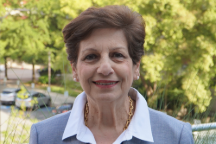
After 35 years of service to the University of Alabama at Birmingham, Mona Fouad, M.D., MPH, will retire from her role as director of the UAB Comprehensive Healthy Living Research Center effective December 31, 2026.
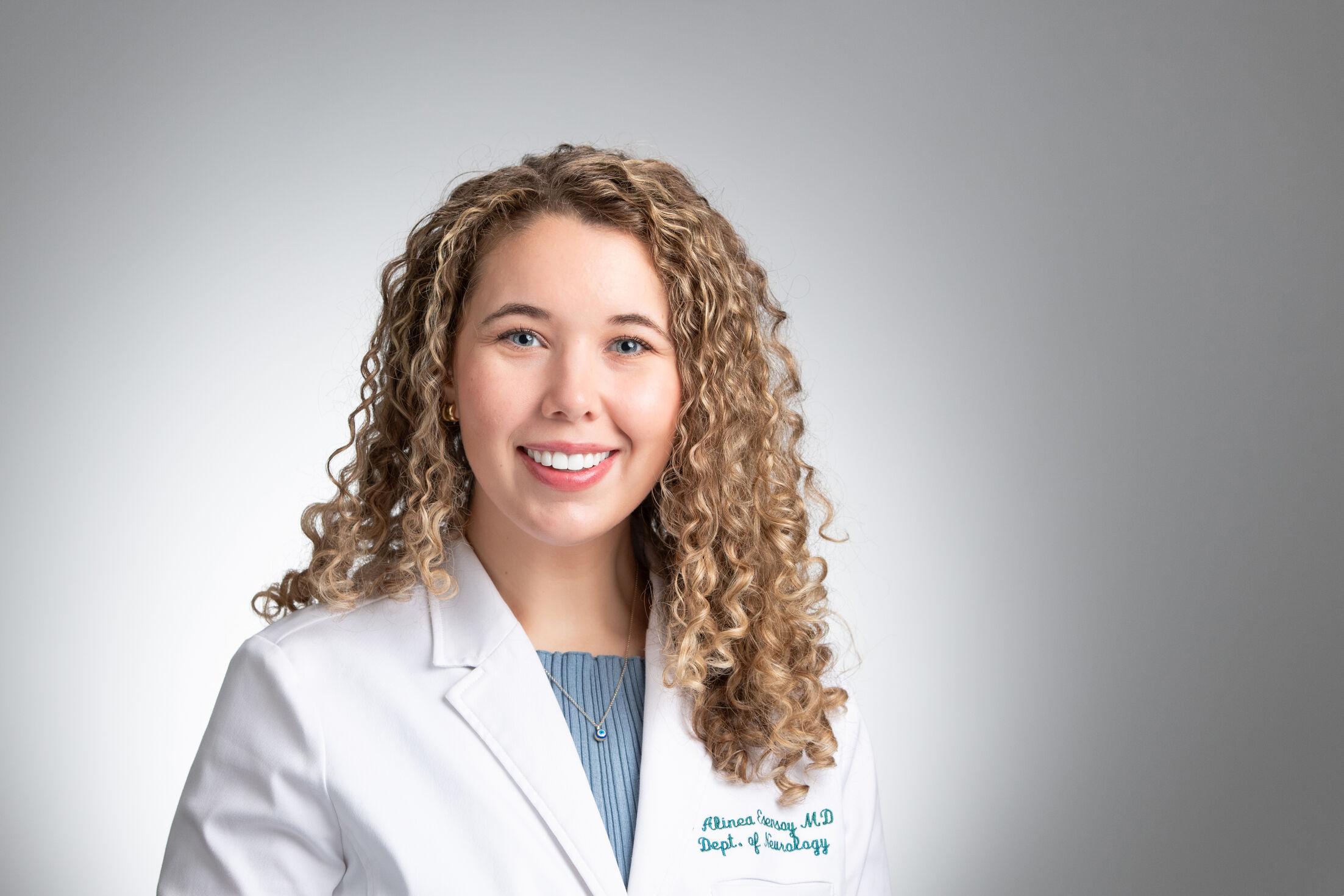
T. Alinea Esensoy, M.D., joined the UAB Department of Neurology as an assistant professor in the Division of Cardiovascular Disease in July 2026.
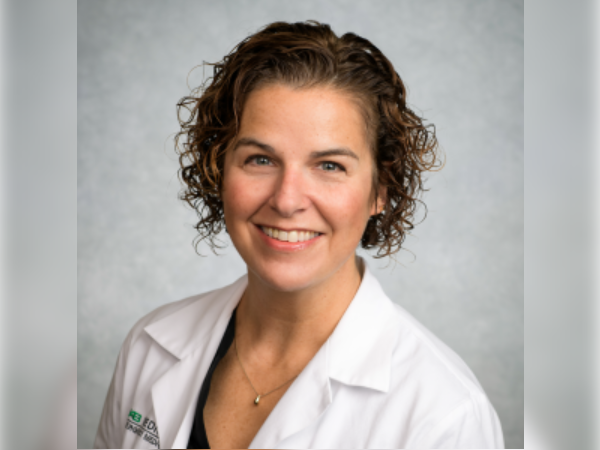
Lauren Walter, M.D., MSPH, FACEP, has been awarded a five-year grant from the Substance Abuse and Mental Health Services Administration for her project titled “Integrated Emergency Addiction Care: A Patient-Centered Model for Medications for Opioid Use Disorder.”
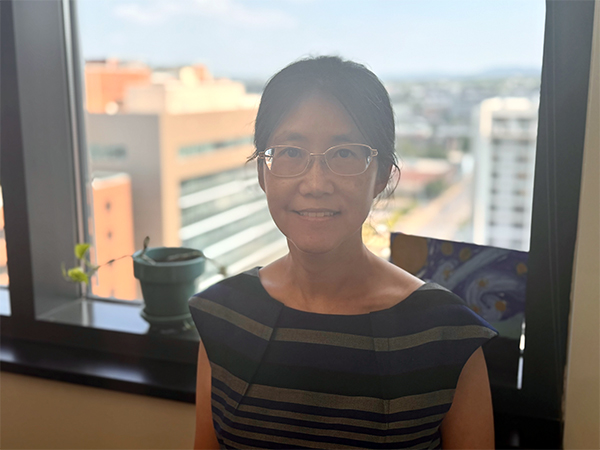
This month we meet Hui-Ying Lim, Ph.D., an associate professor in the Department of Genetics. Her work has identified several genes that play important roles in diabetes control. Her lab’s current interest is understanding the role of Thioester-containing protein 2 (Tep2) in obesity and insulin resistance.
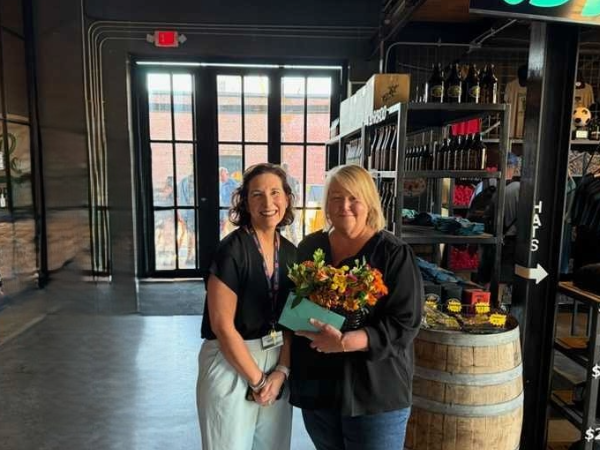
For nearly 30 years, Michelle Thrasher has been a steady presence in the UAB Department of Otolaryngology – Head and Neck Surgery, helping shape generations of otolaryngologists while supporting the department through decades of growth and transformation. As she prepares for retirement this month, Thrasher leaves behind a legacy built on dedication, adaptability, and a deep commitment to the people who have become her second family.
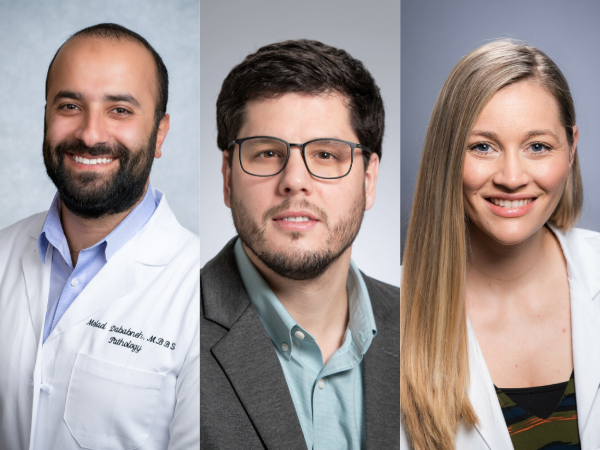
The Department of Pathology is thrilled to announce the winners of its 2026 Chair's Excellence Awards. These awards celebrate faculty members in the Department of Pathology who exude clinical, research, and educational excellence. This year's winners are Melad Dababneh, M.B.B.S., Chair's Award for Clinical Excellence, Daniel Tyrrell, Ph.D., Chair's Award for Research Excellence, and Megan Amerson-Brown, Ph.D., CIC, MLS, Chair's Award for Educational Excellence. Winners are chosen by Cristina Magi-Galluzzi, M.D., Ph.D., Robert and Ruth Anderson Endowed Chair.
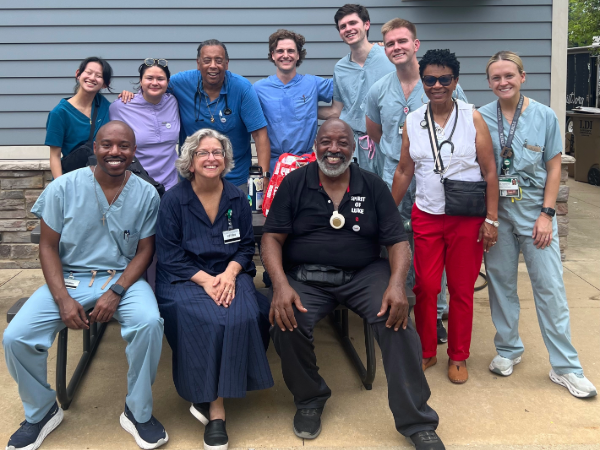
Rural communities face significant barriers to healthcare access, but the UAB Department of Otolaryngology-Head and Neck Surgery is expanding access to cancer screenings in partnership with a local nonprofit organization.
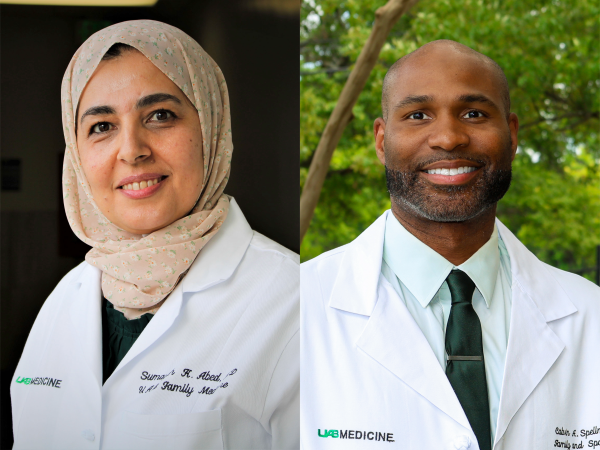
UAB Department of Family and Community Medicine’s Sumayah Abed, M.D., and Calvin Spellmon Jr., M.D., were promoted to associate professor, effective Oct. 1, 2026.
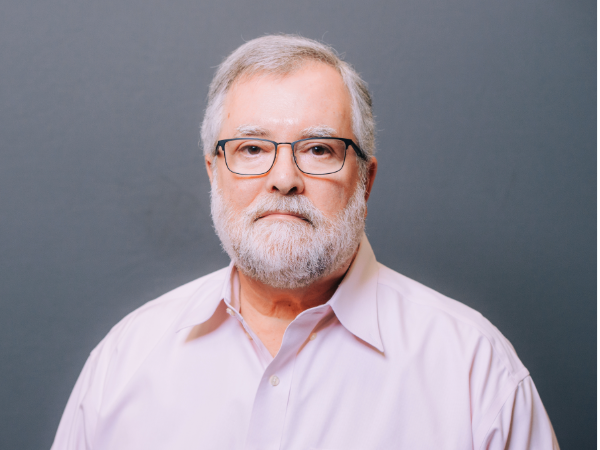
Elliot J. Lefkowitz, Ph.D., professor in the UAB Department of Microbiology, was awarded a five-year, $3.7 million grant from the National Institute of Allergy and Infectious Diseases, part of the National Institutes of Health, to develop a community knowledgebase designed to support virus research.
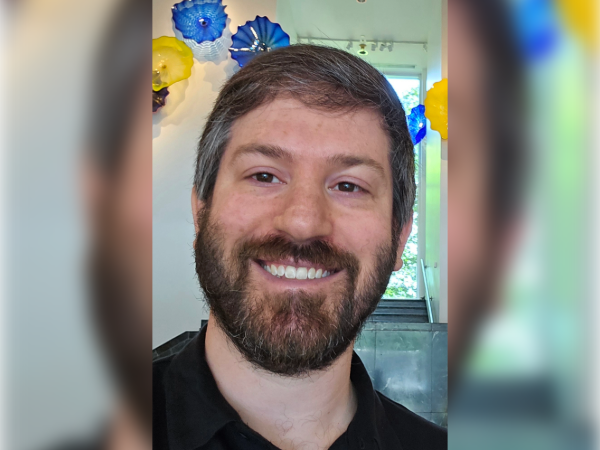
The UAB Department of Pathology recently funded a travel award to Joshua Kramer, Ph.D., who presented his research at the 2026 Masoro-Barshop Conference on Aging, October 8–11 in Bandera, Texas.
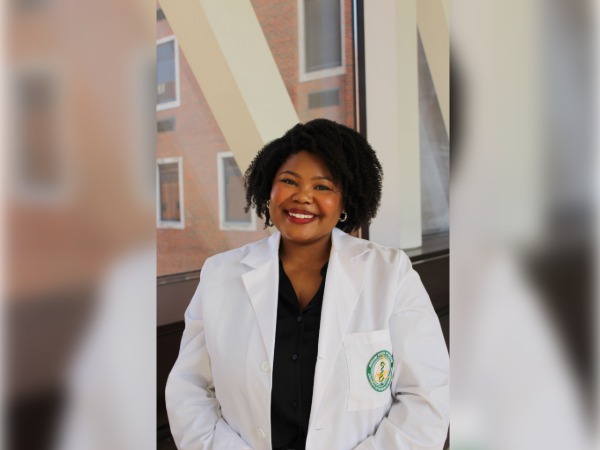
Zasmine Hymes-Green, M.D., joined the UAB Department of Anesthesiology and Perioperative Medicine as an assistant professor in the Regional Anesthesia and Acute Pain Medicine divisions in August 2026.
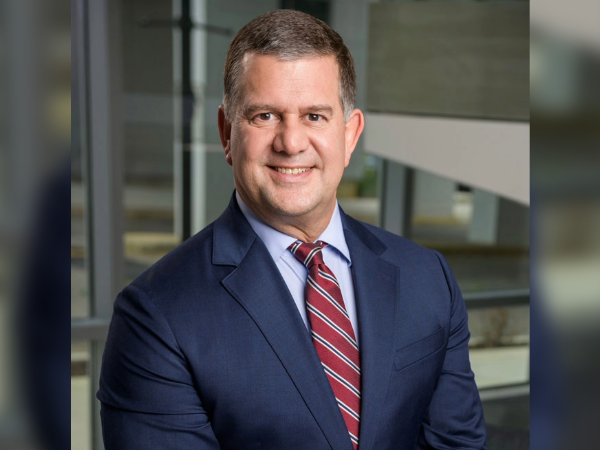
Andrew R. Edwards, M.D., FACEP, professor and chair of the UAB Department of Emergency Medicine, has been named the second holder of the Endowed Professorship in Emergency Medicine. The resolution was approved at the Board of Trustees of the University of Alabama System meeting on Sept. 11, 2026.
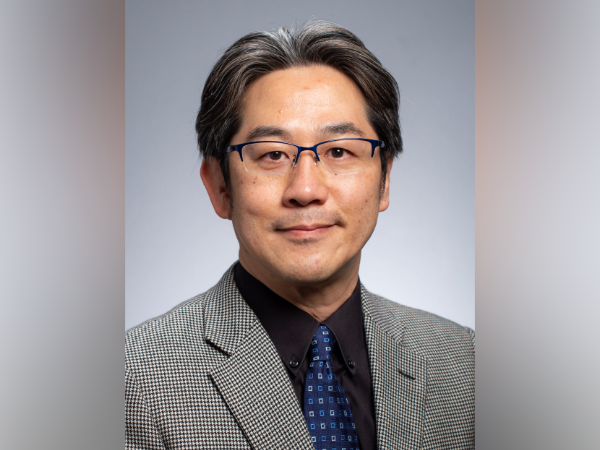
Masakazu Kamata, Ph.D., has been promoted from associate professor to professor in the UAB Department of Microbiology, effective Oct. 1, 2026. “Since joining UAB, Dr. Kamata has made outstanding contributions to our department through innovative and highly collaborative research in immunotherapy, sustained success in extramural funding, and substantial service to UAB and the broader scientific community,” said J. Victor Garcia-Martinez, Ph.D., professor and chair, Charles H. McCauley Endowed Chair in Microbiology. “Dr. Kamata’s accomplishments and growing national and international recognition make this promotion especially well deserved.”
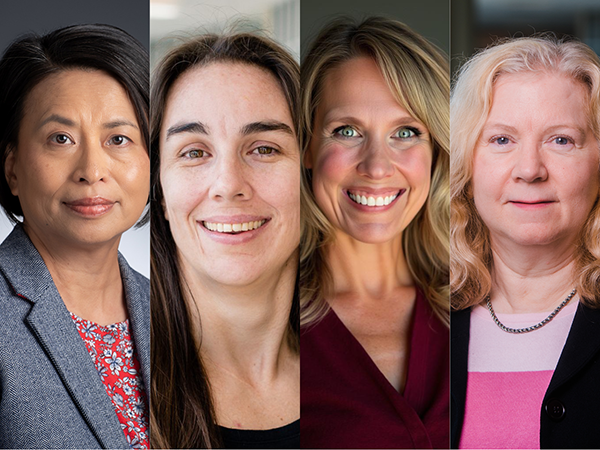
The UAB Department of Physical Medicine and Rehabilitation has been awarded two distinct 5-year grants totaling $7.2 million from the National Institute on Disability, Independent Living, and Rehabilitation Research to continue its work as a Spinal Cord Injury Model System center and the Data and Statistical Center for SCIMS, known as the National Spinal Cord Injury Statistical Center.
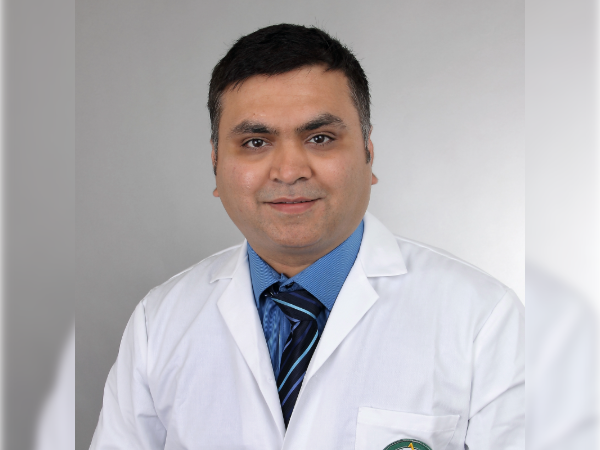
For critically ill newborns, seizures can be difficult to recognize and because effective treatments can reduce brain injury and long-term neurodevelopmental outcomes, it is important to identify them early. Vivek V. Shukla, M.D., assistant professor in the University of Alabama at Birmingham (UAB) Department of Pediatrics Division of Neonatology, has received national recognition with an R21 award from the National Institute of Neurological Disorders and Stroke, part of the National Institutes of Health (NIH). The award funds the study 'Prediction of Risk of Infant Seizures using Machine Learning (PRISM)", which will examine whether artificial intelligence can help identify newborns at risk for seizures before they occur.
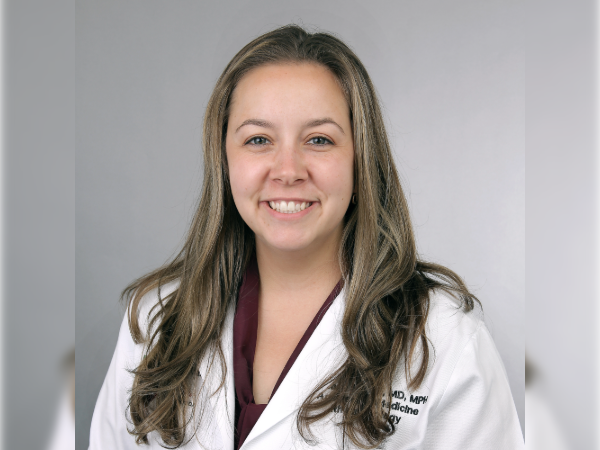
Brittany Huynh, M.D., MPH, assistant professor in the University of Alabama at Birmingham (UAB) Department of Pediatrics’ Divisions of Pediatric Rheumatology and Adolescent Medicine, has received a $366,000 mentored career development award from the Childhood Arthritis and Rheumatology Research Alliance (CARRA)-Arthritis Foundation Grant Program. The three-year award will support her project, “Teratogen-exposed pregnancy and contraceptive use patterns among adolescents and young adults with rheumatic disease.”
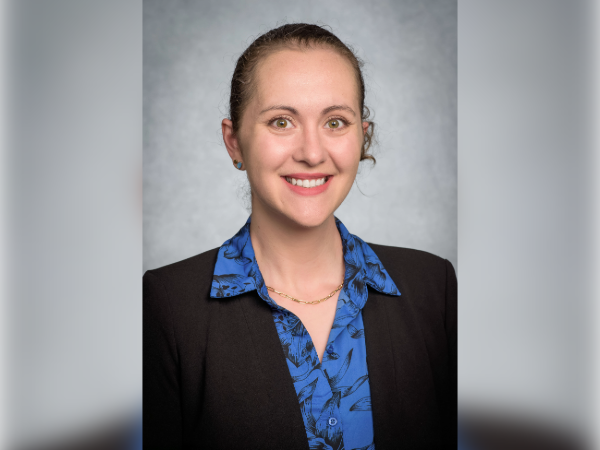
The Department of Pathology is pleased to announce the appointment of Neda Wick, M.D., an assistant professor in the Division of Neuropathology, as program director of the department’s residency program, effective October 6, 2026.
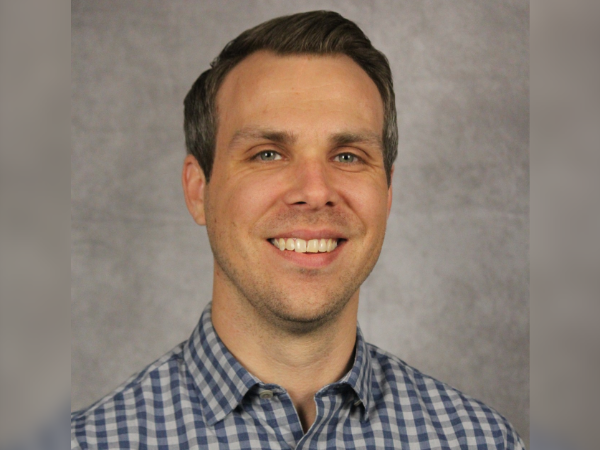
Michael Evans, M.D., Ph.D., joined the UAB Department of Radiology as an assistant professor in the musculoskeletal imaging section in July 2026. Learn more about his journey and what inspires his work.
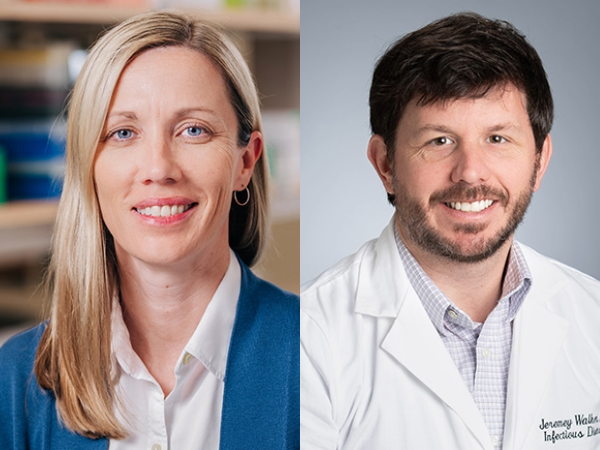
In September 2026, UAB announced the twelve faculty recipients of the President’s Award for Excellence in Teaching, which honors UAB faculty who have demonstrated exceptional accomplishments in teaching. Of this year’s selections, two faculty members are associate professors who educate our medical students in Heersink School of Medicine.

The American Society of Anesthesiologists Annual Meeting is Friday, Oct. 16, to Tuesday, Oct. 20, at the San Diego Convention Center.
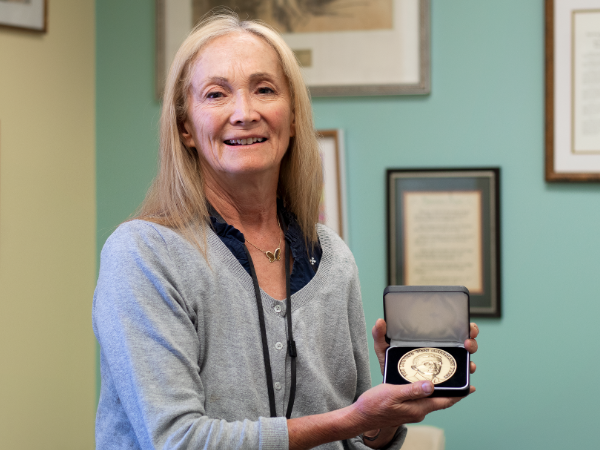
Maria Grant, M.D., FARVO, professor and Eivor and Alston Callahan, M.D., Endowed Chair in Ophthalmology, received the prestigious Ludwig von Sallmann prize at the International Society of Eye Research (ISER) 2026 meeting held in Valencia, Spain on Aug. 27.
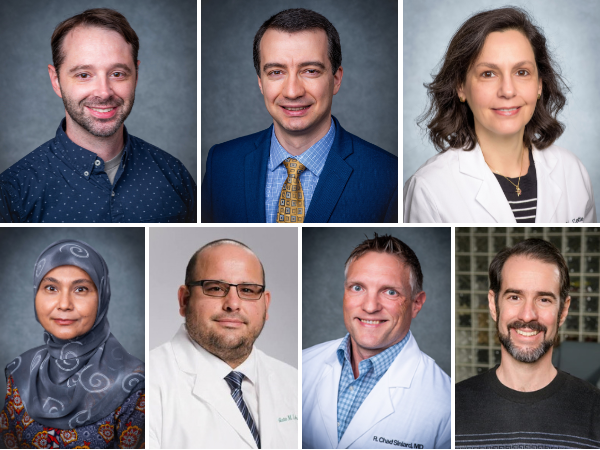
The Department of Pathology is pleased to announce the promotion and tenure of seven of our esteemed faculty colleagues for 2026, effective October 1, 2026.
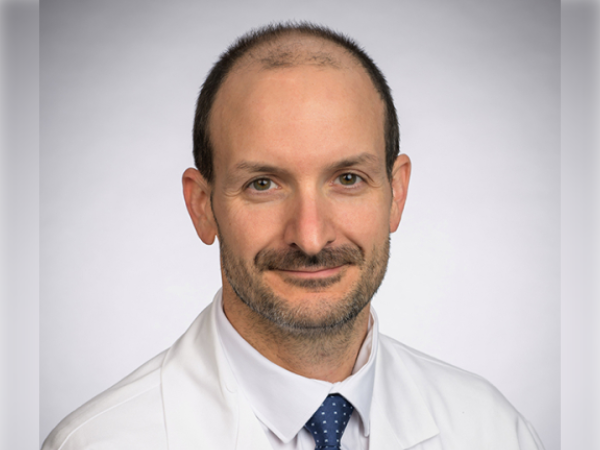
Over the past year, Kyle Wood, M.D., MBA, professor in the UAB Department of Urology, has performed more than 300 ureteroscopies for the treatment of kidney stones—placing him among the highest-volume ureteroscopy surgeons in Alabama. The Department of Urology has performed close to 900 cases this year.
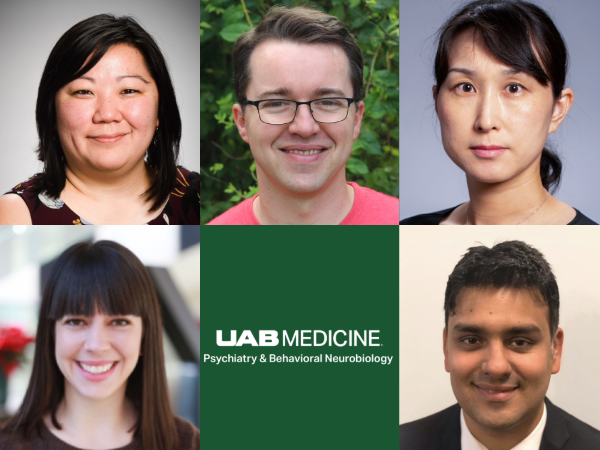
Four faculty members in the UAB Department of Psychiatry and Behavioral Neurobiology have received promotions, and one has received an award of tenure, effective Oct. 1, 2026.
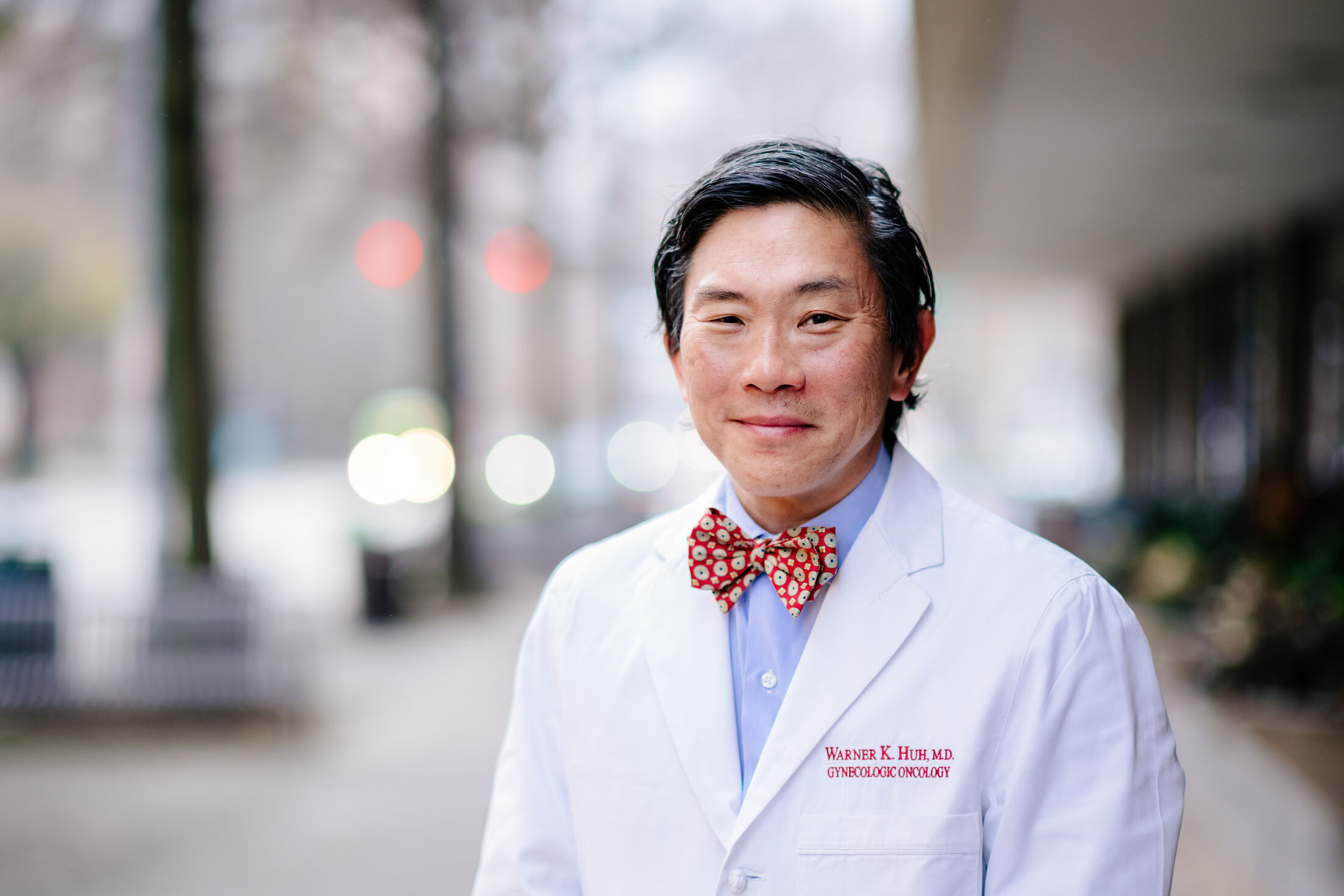
Warner Huh, M.D., chair of the Department of Obstetrics and Gynecology, has been named deputy chief physician executive of UAB Health System and vice president of the University of Alabama Health Services Foundation (UAHSF), effective Oct. 1.
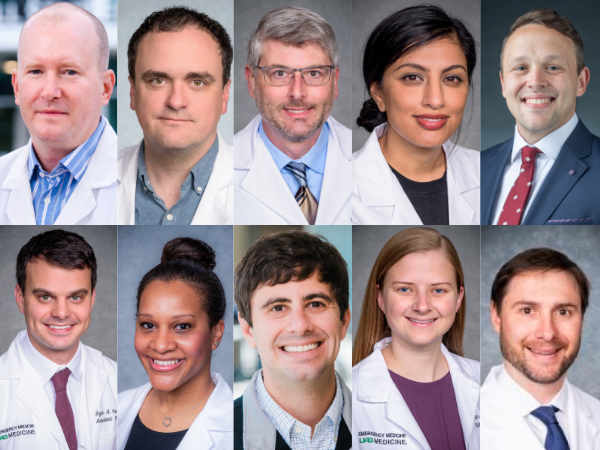
Ten faculty members in the UAB Department of Emergency Medicine have been promoted, effective Oct. 1, 2026. “We are excited to have a record number of faculty promoted within the Department of Emergency Medicine this year,” said Andrew Edwards, M.D., chair of the Department of Emergency Medicine. “This showcases the outstanding work by ten individuals who exceeded our departmental standard and the university’s criteria for advancement. I want to commend and congratulate each of these faculty members for their superior effort and dedication. We look forward to their continued leadership, growth, and contributions to the department.”
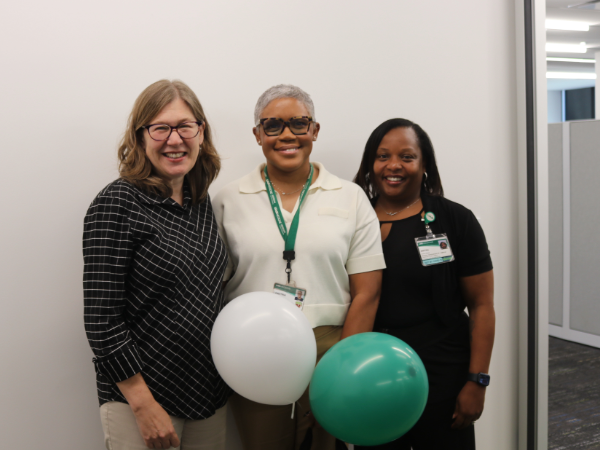
LaNeitria Head has spent 25 years building expertise in finance at UAB, but colleagues say it is her willingness to continually learn, lead, and support others that makes her truly stand out. Now a financial officer in the Division of General Internal Medicine and Population Science within the UAB Department of Medicine, Head has been recognized as the third quarter 2026 recipient of the DOM STAR Award for Staff Excellence.
The UAB Department of Surgery is pleased to announce the recent promotion of nine faculty members.
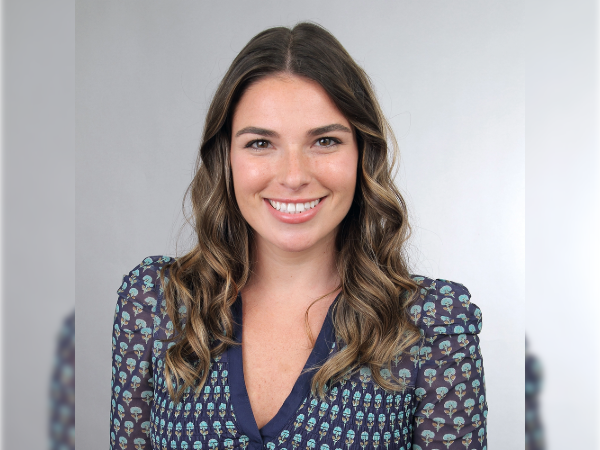
The University of Alabama at Birmingham (UAB) Department of Pediatrics is proud to announce that Alyssa Goldman, D.O., PGY-2 resident in the Department of Pediatrics, has been recognized with the Rud Polhill Award for Outstanding Resident in Pediatric Emergency Medicine.
Congratulations to the 27 faculty promoted effective October 1, 2026!