 What happens when cancer turns our own proteins against us? Healthy MYC oncoproteins are regulators of cell growth and metabolism, but when driven by cancer, they can contribute to rapid tumor growth and avoid immune responses. MYC-driven cancers account for more than half of human cancers and are a major cause of mortality.
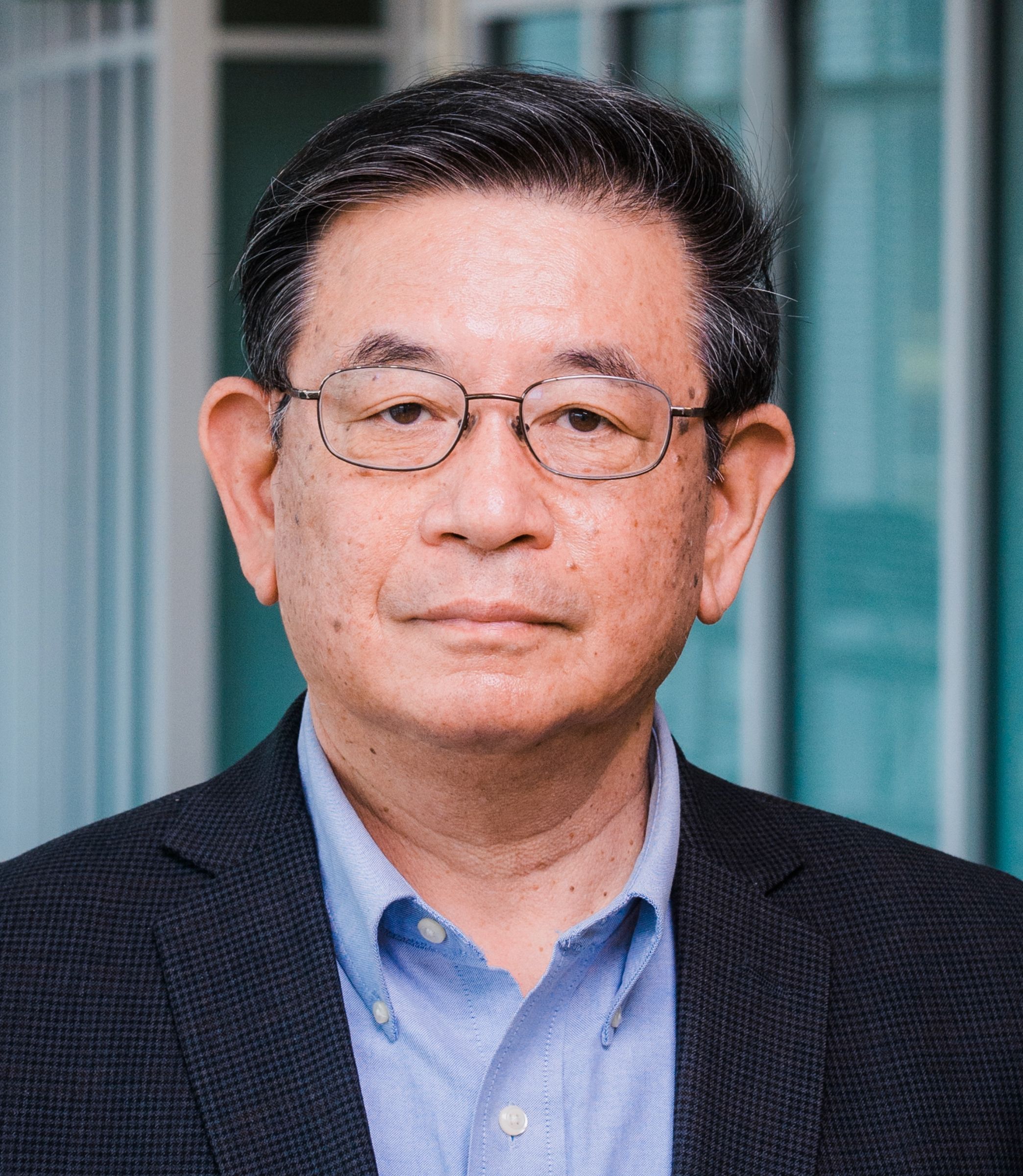
Han-Fei Ding, Ph.D., Gene P. Siegal Endowed Professor, Division of Molecular Pathology, and Senior Scientist in the O'Neal Comprehensive Cancer Center, was recently awarded $1.9 million by the National Institutes of Health National Cancer Institute, for his project, titled “PUS7-tRNA axis in translational control of MYC-driven transcription and metabolic reprogramming”.
Ding’s project will specifically examine how a cancer-controlled enzyme, PUS7, adds a chemical marker to tRNAs to boost the production of proteins that tumors need, and test practical strategies to block this pathway.
“This funding will allow us to investigate a new layer of MYC-driven cancer biology,” Ding said. “Rather than targeting MYC directly, we’re investigating how MYC-dependent tumors use RNA modification and selective protein synthesis to grow.”
By defining how this pathway controls tumor cells and metabolic adaptation, the study aims to uncover new treatment strategies for patients with MYC-driven cancers.
“We believe once we determine exactly how these tumor cells are being controlled, we can take steps toward developing new therapeutics to prevent this disease mechanism in aggressive cancers.”