Academics
Competencies define what a successful learner should know and be able to do upon completion of a particular program or course of study. These statements describe in measurable terms the knowledge, skills, and abilities a successful graduate will demonstrate at the conclusion of the program. The relationship between competencies and learning objectives (the incremental learning experiences at the course and experiential levels that lead to the development of the competencies) should be explicit and aligned with the program's mission, goals, and objectives.
Undergraduate Competencies
Graduate Competencies
All academic graduate programs in the School of Public Health will ensure that successful students are grounded in the foundational public health knowledge as defined by the Council on Education for Public Health (CEPH).
 The Mental Health Promotion Ambassadors (MHA) program is a unique peer-to-peer mental health promotion program developed by Dr. Robin Lanzi, Professor of Health Behavior and Honors College Faculty Fellow, together with Angela Stowe, PhD, director of Student Counseling Services and Wellness Promotion, and Juhee Agrawal, Honors College student and president of Active Minds. The program was established in 2019; it was originally conceived through Dr. Lanzi’s Honors College Faculty Fellows initiative.
Under this leadership, students develop mental health campaigns for their peers — focusing on mental health awareness, resiliency, and self-care — as well as practical skills for addressing concerns, information on mental health services, and activities on campus. Ambassadors play a key role in the development of a mental health promotion section on Canvas, which will house the materials used for the ambassadors’ presentations, plus messages from students, ideas for mindfulness exercises, and other resources. They also develop social media messages.
As a Mental Health Promotion Ambassador, students have the unique opportunity to create educational resources for fellow students and leave a lasting impact on the mental health climate within our program, school, and beyond.
Connect with Us
Follow the Mental Health Promotion Ambassador on Instagram for updates and program information.
Email Dr. Robin Lanzi, Professor of Health Behavior at the UAB School of Public Health, at rlanzi@uab.edu for additional information.
All academic graduate programs in the School of Public Health will ensure that successful students are grounded in foundational public health knowledge as defined by the Council on Education for Public Health (CEPH).
- Explain public health history, philosophy, and values.
- Identify the core functions of public health and the 10 Essential Services.
- Explain the role of quantitative and qualitative methods and sciences in describing and assessing a population’s health.
- List major causes and trends of morbidity and mortality in the U.S. or other community relevant to the school or program.
- Discuss the science of primary, secondary, and tertiary prevention in population health, including health promotion, screening, etc.
- Explain the critical importance of evidence in advancing public health knowledge.
- Explain effects of environmental factors on a population’s health.
- Explain biological and genetic factors that affect a population’s health.
- Explain behavioral and psychological factors that affect a population’s health.
- Explain the social, political, and economic determinants of health and how they contribute to population health and health inequities.
- Explain how globalization affects global burdens of disease.
- Explain an ecological perspective on the connections among human health, animal health, and ecosystem health (e.g., One Health).
Student Governance
PHSA Events
All students in the School of Public Health are represented through the Public Health Student Association (PHSA). PHSA provides numerous opportunities for students to participate in service to the School, the community, and the profession. PHSA also provides numerous social and networking opportunities for students. Elections for officers are held in the Spring of each academic year, and general meetings are held throughout each semester.
You can follow UAB's PHSA on Instagram to stay up-to-date on group activities.
Student Groups
- Biostatistics Student Organization (BSO)
- Global Health Interest Group (GHIG)
- Maternal & Child Health Student Association (MCHSA)
- Mental Health Promotion Ambassadors (MHA)
Student Members on Committees
Many standing committees in the School of Public Health include student members to ensure that the student perspective is represented throughout the school. Students are also recruited to serve occasionally on ad hoc committees convened for a specific purpose, like recruitment of new school leadership or during the CEPH reaccreditation process. Opportunities for students to serve on committees will be announced in the Get a Handle newsletter. The application and selection process will be clearly described and open to all students.
 The Gulf Scholars Program at the University of Alabama at Birmingham (UAB-GSP) is designed to provide undergraduate students the opportunity to develop critical thinking and civic engagement skills with a focus on challenges facing the Gulf Coast region in the United States. The UAB-GSP will develop an annual cadre of students that will ultimately contribute to the well-being of the Gulf Coast states that face a variety of threats including for example, tropical storms, increased precipitation, harmful algal blooms and increasing temperatures. This will be explored in the context of at-risk communities facing a number of additional challenges where resources are limited and social factors, some long-running, impact their ability to adequately prepare for, respond to and recover from such threats. The UAB-GSP will immerse students in selected courses and interactions designed to provide scholars the background, training, education and tools to implement robust community-oriented projects oriented towards selected Gulf Coast challenges.
Funded by the National Academies of Sciences, Engineering, and Medicine, the Gulf Scholars Program supports Gulf of Mexico region colleges and universities in preparing undergraduate students as the next generation to address critical challenges in the region related to the focus areas of the Gulf Research Program – community health and resilience, environmental protection and stewardship and offshore energy safety.
Student Spotlight


Program Requirements
The UAB Gulf Scholars Program curriculum was designed to be flexible, interdisciplinary and comprehensive. Gulf Scholars will complete curricular and co-curricular activities related to five learning outcomes in preparation for their culminating GSP experience – participating in a community-driven Gulf Impact Project. Following the completion of the project, students will have the opportunity to present their results at the UAB Expo and/or the Annual Gulf Scholars Meeting.
-
Learning Outcome 1: Knowledge of the Gulf Region
Gulf Scholars will increase their knowledge about the Gulf Region to include the culture, economy, history, social/environmental justices and injustices and challenges of the region. Scholars will meet this learning outcome by completing a one credit hour online seminar course in the SOPH (PUH 299).
-
Learning Outcome 2: Interdisciplinary and Integrative Learning
Scholars will complete four courses (minimum of 12 credit hours) of courses that align with the overarching themes and goals of the Gulf Scholars Program. The UAB GSP coordinator will work with each student to identify which previously completed and upcoming courses will be credited towards this requirement. The intention behind this process is to avoid imposing additional courses or workload on the scholars.
-
Learning Outcome 3: Intercultural Knowledge and Competencies
Gulf Scholars will have the opportunity to participate in various opportunities to help deepen cultural awareness, broaden perspectives and enhance their ability to engage effectively with diverse populations. Activities may include but are not limited to the UAB Poverty Simulation, program specific educational opportunities and other related seminars and workshops.
-
Learning Outcome 4: Social Responsibility and Ethical Reasoning
Through this learning outcome, Scholars will learn how to integrate theoretical concepts of social responsibility and ethical reasoning with practical experiences gained through community engagement. This outcome can be met by completing one of two options:
- A three-credit hour course (one course) that incorporates service-learning or community based learning
- Or, community service (a minimum of 10-15 hours) tracked via Blazer Pulse
-
Learning Outcome 5: Innovation and Entrepreneurship
Scholars have a strong capacity and ability to develop and implement innovative solutions and responses to major challenges facing Alabama and the Gulf Coast states through the program. This requirement can be met by either completing one course that incorporates principles of innovation/entrepreneurship or co-curricular activities, seminars or workshops offered through the Harbert Institute for Innovation and Entrepreneurship.
-
Learning Outcome 6: Gulf Impact Project
Gulf Scholars will complete a substantial independent research or creative project (40-hour minimum) addressing a major challenge facing the Gulf around one or more of the core areas of the GRP. Scholars are strongly encouraged to complete their projects with a community organization. Each project will involve a faculty mentor and include an artifact as a lasting demonstration of the student’s work. Project ideas can come from the scholar, their mentor or both.
Need More Information?
For questions regarding the Gulf Scholars Program, contact gulfscholars@uab.edu.
 Every Monday, the Office of Public Health Practice distributes our newsletter, Get a Handle. It highlights news and events in the School of Public Health and provides information on opportunities for students to get involved, including internships and job postings.
All students in the School of Public Health have access to the Canvas Student Center, which is housed in Canvas alongside all academic courses. Students are automatically enrolled in the Canvas Student Center when they first register for SOPH courses or declare the Public Health major. If you do not see “Student Center” in your list of Canvas courses, please email soph@uab.edu so you don’t miss out on this critical source of information.
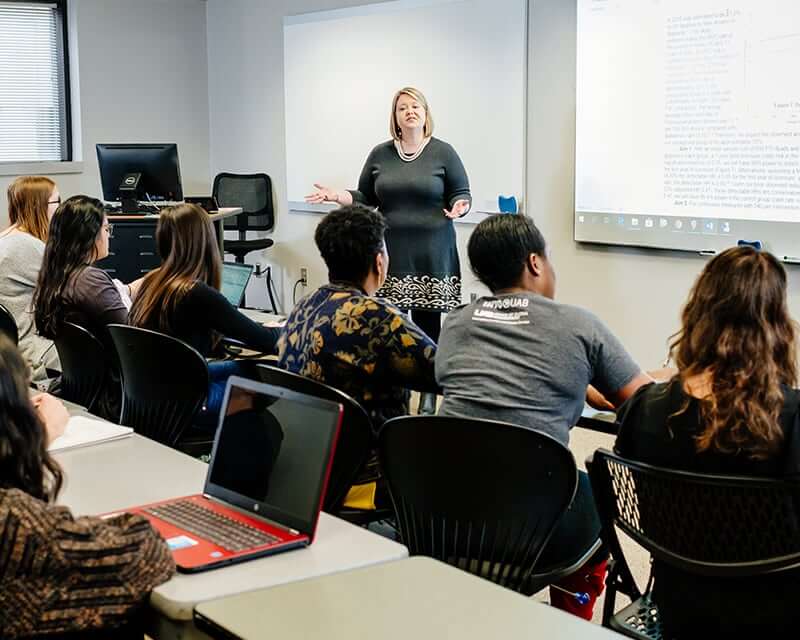
The UAB School of Public Health expects all members of its academic community to function according to the highest ethical and professional standards. Students, faculty, and the administration of the institution must be involved to ensure this quality of academic conduct. The purpose of the UAB Academic Integrity Code is to support our academic mission and to maintain and promote academic integrity. All students in attendance at UAB are expected to pursue all academic endeavors with integrity, honor, and professionalism and to observe standards of conduct appropriate to a community of scholars.
View the full UAB Academic Integrity Code policy Opens an external link.
If you have any questions regarding the UAB Academic Integrity Code please contact the Office of Student and Academic Services at (205) 934-4993 or stop by Room 608 in the Ryals Building.
Employers of recent UAB School of Public Health graduates reported that our students are more prepared to work with diverse populations in a respectful or sensitive manner than graduates from other institutions. Employers also reported a high level of satisfaction with our students’ ability to strengthen, support and mobilize communities and partnerships and to assess and monitor population health status and community needs.
A degree in public health opens a range of career opportunities in both the public and private sectors. The National Association of County and City Health Officials (NACCHO) reports that local health departments need a 70% increase in their full-time public health workforce to provide the minimum services necessary to sustain the public health system. The government public health workforce anticipates a large number of retirements in the coming years, and these positions will need to be filled.
This shortage of public health workers means that career opportunities for students trained in public health are exceptionally strong and will continue to grow in the future. The field of public health is rapidly changing and expanding, leading to new opportunities for students trained at accredited schools of public health.
All students at the University of Alabama at Birmingham have access to the university’s Career Center opens a new website, which offers resources and support to students in career planning and partners with the School of Public Health to offer tailored career advice.
What Can You Do with a Public Health Degree?
- Epidemiologist
- Community Health Worker
- Industrial Hygienist
- Biostatistician
- Emergency Preparedness Specialist
- Program Manager
-
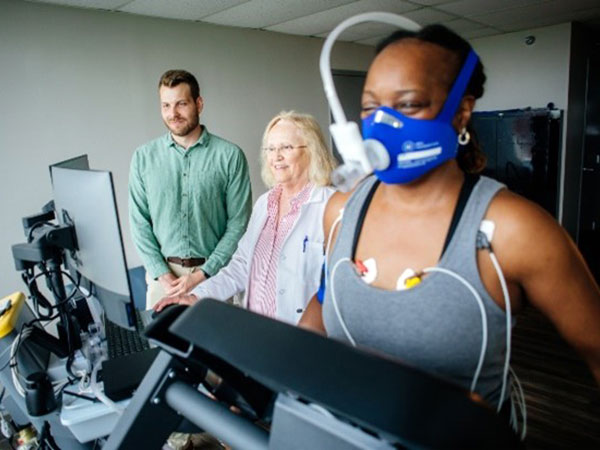
Epidemiologists investigate the causes of diseases and the patterns associated with their transmission and outcomes. In addition to collecting data and creating complex analytical models to determine how diseases are spreading and who is being affected, epidemiologists also make suggestions on how to mitigate the spread of disease in a community. Epidemiologists can study multiple types of diseases, or they might specialize in an area such as infectious diseases, environmental health, chronic diseases or genetic disorders.
Workplace Environment: Epidemiologists typically work in an office or a laboratory and may be employed by government agencies, such as the CDC, state or local health departments, universities, hospitals or pharmaceutical companies. Some jobs may also involve field work to collect specimens or data directly where an outbreak is occurring.
2023 Median Pay: $81,390 per year
Typical Entry Level Education: MPH in Epidemiology or MSPH in Applied Epidemiology
Related Educational Opportunities: PhD in Epidemiology, Applied Biostatistics and Epidemiology Certificate
Job Outlook, 2022-2032: 27% growth
-

Community health workers (CHWs) serve as a link between healthcare or social services and underserved community members, implementing programs to provide health education and to improve access to care. These workers often have close ties to the populations that they serve and work to reduce health inequalities by connecting clients with appropriate services and resources or advocating for their needs.
Workplace Environment: CHWs are typically employed by local or state health departments, healthcare facilities, community-based organizations or nonprofits. While they often spend part of their time in an office setting, much of their time is spent in the field working directly with community members.
2023 Median Pay: $48,200 per year
Typical Entry Level Education: BS in Public Health
Related Educational Opportunities: MPH in Health Behavior, Public Health Certificate
Job Outlook, 2022-2032: 14% growth
-

Industrial hygienists protect occupational health and safety by recognizing and anticipating workplace hazards that may cause injury or illness, which can include everything from loud noises that may damage hearing to chemical agents that are harmful to human health or the environment. Industrial hygienists also use analytical methods to conduct occupational exposure assessment, ensure that safety standards and regulations are met and implement protocols to eliminate or control occupational hazards.
Workplace Environment: Industrial hygienists work in indoor and outdoor settings that can include places like factories, construction sites or offices. Their roles often involve travel and fieldwork and can place them in hazardous environments where personal protective and safety equipment are required.
2023 Median Pay: $77,580 per year
Typical Entry Level Education: MSPH in Industrial Hygiene
Job Outlook, 2022-2032: 13% growth
-

Biostatisticians apply advanced statistical reasoning and methodologies to understand health data from clinical trials or population studies and to address problems in public health. Not only do biostatisticians interpret the results of statistical analyses—such as determining whether a drug is effective—they also determine appropriate statistical methods for a given study and translate data for scientific and non-scientific audiences. Biostatisticians often collaborate with other researchers and health experts to investigate public health issues.
Workplace Environment: Biostatisticians are employed in various settings including universities, healthcare facilities, pharmaceutical companies or governmental agencies. Much of their time is spent working on computers in offices or research facilities.
2023 Median Pay: $104,860 per year
Typical Entry Level Education: MS in Biostatistics or MSPH in Biostatistics
Related Educational Opportunities: DrPH in Biostatistics, PhD in Biostatistics, Applied Biostatistics and Epidemiology Certificate
Job Outlook, 2022-2032: 30% growth
-
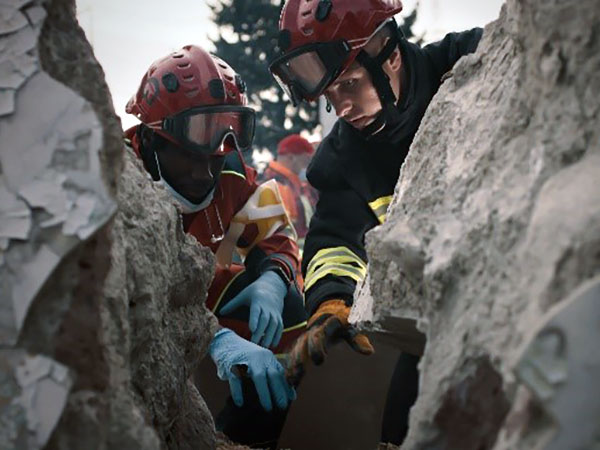
Emergency preparedness specialists play a vital role in responding to natural disasters and other emergencies by assessing the needs of the community after a disaster takes place and ensuring that needed supplies and partner agencies are ready to be dispatched. Emergency preparedness specialists also create and communicate emergency response plans and organize training for others involved in response efforts. When an emergency or natural disaster occurs, they alert appropriate agencies or partners and coordinate the emergency response.
Workplace Environment: Emergency preparedness specialists work for health departments, hospitals, government agencies or nonprofits that are active in disasters. While the day-to-day work of an emergency preparedness specialist often takes place in an office environment, responding to a disaster typically involves traveling to the disaster site and working flexible hours.
2023 Median Pay: $65,786 per year with the potential to earn a median salary of $83,960 as a director
Typical Entry Level Education: BS in Public Health with a concentration in Environmental Health Sciences
Related Educational Opportunities: DrPH in Preparedness Leadership, MPH in Environmental Health
Job Outlook, 2022-2032: 3% growth
-

Program managers plan, implement and evaluate programs or initiatives to address public health issues in a certain community or region. They might organize programs focused on a specific goal, such as HIV/AIDS education, or they might work to address broader issues related to global health, maternal and child health, etc. Program managers are often responsible for adhering to a budget and obtaining funding, tracking progress of projects and communicating and collaborating with various agencies, healthcare providers or stakeholders.
Workplace Environment: Public health program managers may work for state or local health departments, clinics, nonprofits, government agencies or universities. Their work typically involves a combination of office work and travel to various locations across the community or region to implement the programs they have planned.
2023 Median Pay: $58,000 per year as a manager at a small agency with the potential to earn $100,000+ as a director of a program at a large agency
Typical Entry Level Education: BS in Public Health
Related Educational Opportunities: MS in Global Health, MPH in Health Policy and Organization, and many other MPH concentrations
Job Outlook, 2022-2032: Varies by sector and area of specialization