This is the fourth in a series of articles highlighting the divisions and sections within the UAB Department of Radiology.
When most people think of medical imaging, they think of X-rays, CT scans, MRI scans, or ultrasounds. While those tests reveal the body's structure, molecular imaging provides something equally important.
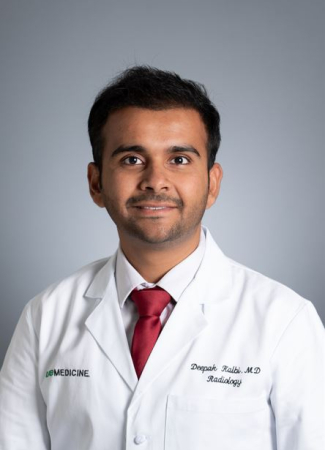
"Molecular imaging shows how the body is working," said Deepak Kalbi, M.D., assistant professor and interim director of the UAB Division of Molecular Imaging & Therapeutics. "Because disease often changes how cells behave before it changes how they look, these scans can find problems earlier, show whether a spot is disease or scar tissue, and tell us whether a treatment is working."
Also known as nuclear medicine, molecular imaging uses small amounts of specialized radioactive tracers that travel to specific organs, tissues, or disease sites. Advanced imaging technology then allows physicians to see how those areas function, often revealing information that cannot be detected by conventional imaging alone.
At UAB, molecular imaging and targeted therapies play a critical role in the diagnosis, monitoring, and treatment of a wide range of conditions, including cancer, Alzheimer's disease and other neurologic disorders, heart disease, thyroid conditions, infections and diseases affecting nearly every organ system.
The therapeutic side of the specialty uses the same targeted approach to deliver treatment directly to diseased cells while minimizing exposure to healthy tissue. Known as theranostics, this rapidly growing field combines advanced imaging and precision treatment using the same biological target.
"If we can see it, we may be able to treat it," Kalbi said.
The division offers a full range of advanced imaging technologies, including PET/CT, PET/MRI and SPECT/CT, as well as specialized radiopharmaceutical therapies for thyroid cancer, neuroendocrine tumors and advanced prostate cancer. These tools help physicians diagnose disease more accurately, monitor response to treatment, and develop personalized care plans.
Just as important as the technology is the team's collaborative approach. Molecular imaging and therapeutics physicians work closely with oncologists, surgeons, neurologists, cardiologists, endocrinologists, and radiation oncologists to help guide treatment decisions and ensure patients receive coordinated, comprehensive care.
"We don't simply send a report," Kalbi said. "We are part of the conversation about your care."
For patients who may feel apprehensive about nuclear medicine, Kalbi emphasizes that these procedures have been used safely for decades. Imaging exams use very small amounts of tracer, side effects are uncommon, and many treatments can be delivered on an outpatient basis.
As the field continues to evolve, UAB remains at the forefront through clinical trials, novel imaging agents and next-generation technologies designed to detect disease earlier and deliver more precise, personalized treatments.
"I hope patients and families understand that nationally competitive, world-class molecular imaging and theranostics is available right here in Alabama," Kalbi said. "When you come to us, you are cared for by a team that sees you as a person, not just a scan or a diagnosis."