 A multidisciplinary team consisting of University of Alabama at Birmingham (UAB) physicians and Children's of Alabama respiratory therapists and nurses in the Pediatric Intensive Care Unit (PICU) at Children's of Alabama has become a national leader in reducing unplanned extubations, demonstrating how sustained teamwork, education and quality improvement can improve outcomes for critically ill children.
An unplanned extubation occurs when a breathing tube is unintentionally removed, whether by a patient pulling it out, coughing it out or a failure of the securement device. These events are among the most serious preventable safety concerns in pediatric intensive care because they can lead to respiratory distress, emergency reintubation, cardiac arrest, longer hospital stays and increased health care costs.
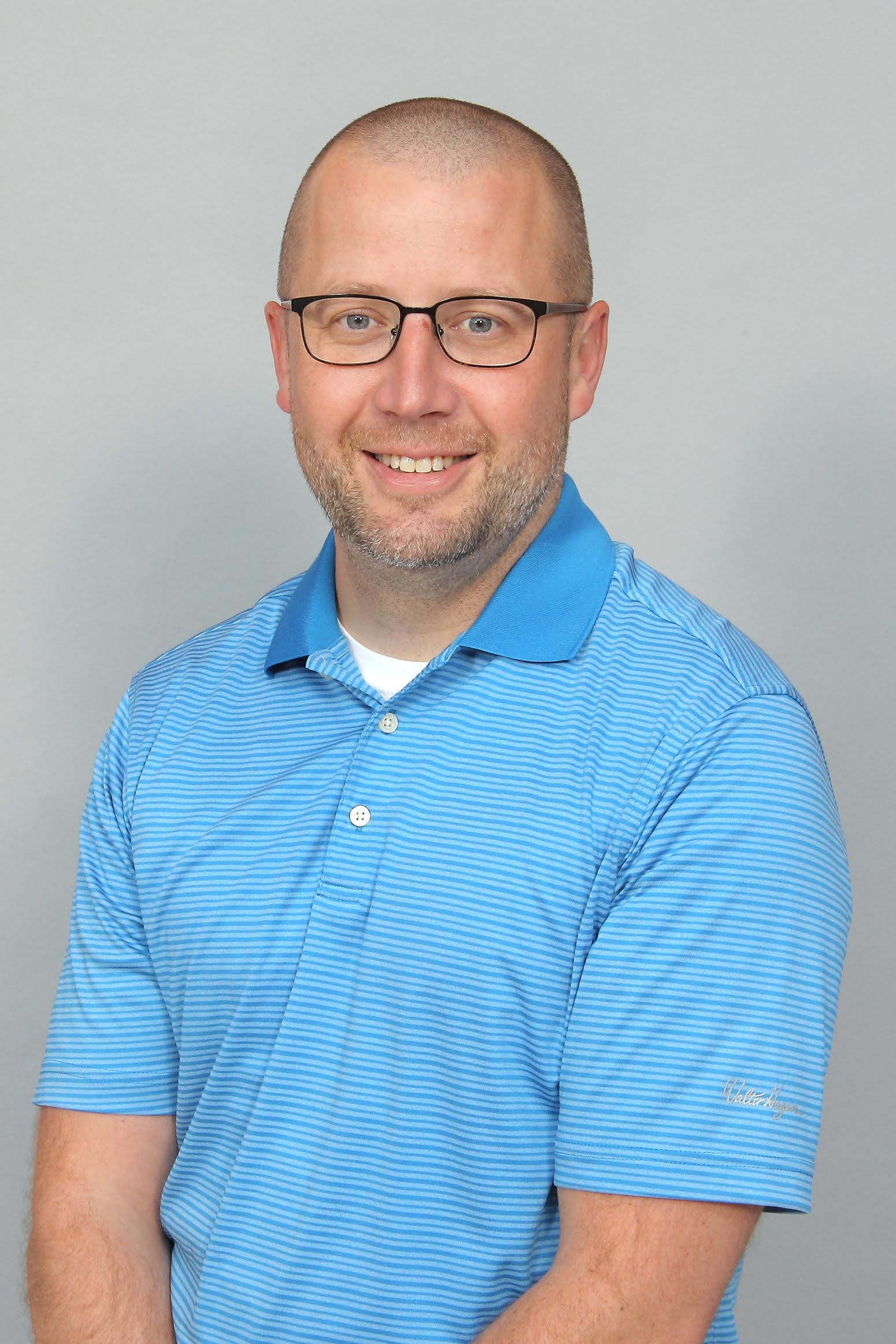 Jeremy Loberger, M.D.While hospitals nationwide have adopted the Solutions for Patient Safety (SPS) framework to reduce unplanned extubations, the UAB and Children’s team recognized that lasting improvement would require going beyond national recommendations.
“The SPS bundle gave us a strong foundation,” said Jeremy Loberger, M.D., associate professor in the Division of Pediatric Critical Care and medical director of the PICU. “To really drive these rates down further and sustain that improvement, we had to take it two or three steps beyond the bundle. What made the biggest difference was investing in a dedicated quality improvement respiratory therapist who was focused on this work every single day.”
That investment led to the creation of the Pediatric Intensive Care Unit Quality Improvement Respiratory Therapist position, held by Christy Thomas, RRT. By having someone dedicated to airway safety each day, the team transformed quality improvement from a periodic initiative into an ongoing part of patient care.
“It made airway safety a topic of daily conversation,” said Thomas. “Every morning during rounds, we made a conscious effort to look at the endotracheal tube, evaluate the securement device and make sure it was in the appropriate position.”
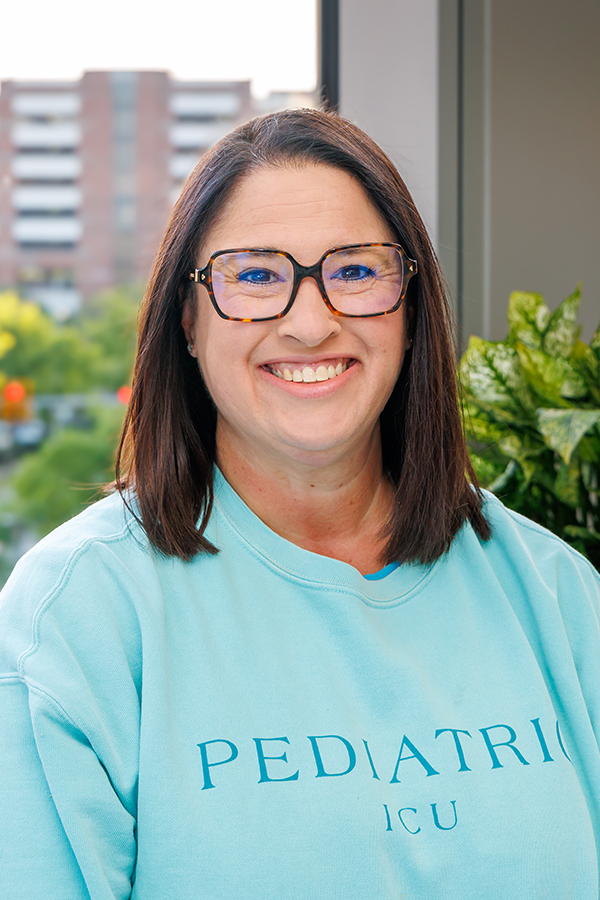 Christy Thomas, RRTBuilding on the SPS framework, the PICU implemented several interventions to improve consistency and accountability. The team standardized communication about endotracheal tube positioning, introduced independent breathing tube rounds in which a third team member evaluated tube placement and securement, strengthened airway safety checks and reinforced that protecting a patient’s airway is a shared responsibility among physicians, nurses, respiratory therapists and advanced practice providers.
One of the team’s most impactful initiatives was “Airway Days,” a hands-on education program that brought simulation-based airway training directly to the PICU.
“I think the Airway Days education had the greatest impact because it brought everything together,” said Thomas. “We covered each element individually, but it also gave everyone hands-on experience in a safe environment where it was okay to make mistakes, learn from them and become more comfortable before caring for patients.”
Rather than requiring staff to leave the unit for training, Thomas and the team brought simulation mannequins directly to the PICU, making it easier for nurses and respiratory therapists to participate while continuing to care for patients. Today, the program includes bedside refresher training that reinforces airway management skills throughout the year.
The initiative also required a shift in culture.
“When we first started, there was some resistance because people thought we were checking behind them,” Thomas explained. “That was never the goal. It was about having another set of eyes and another set of hands to help prevent an unplanned extubation. Now people ask me to come look at a tube or help them figure out a better way to secure it. It has evolved.”
Since implementing these interventions, the PICU has reduced unplanned extubations by approximately 72 percent, lowering its rate well below national benchmarks while sustaining those improvements over time. The team’s success earned national recognition with the 2026 Patient Safety First Award from the Society of Critical Care Medicine, presented annually to one adult or pediatric intensive care unit or program that demonstrates exceptional leadership in patient safety and quality improvement. The recognition reinforces the impact of the team’s collaborative approach and sustained commitment to improving care for critically ill children.
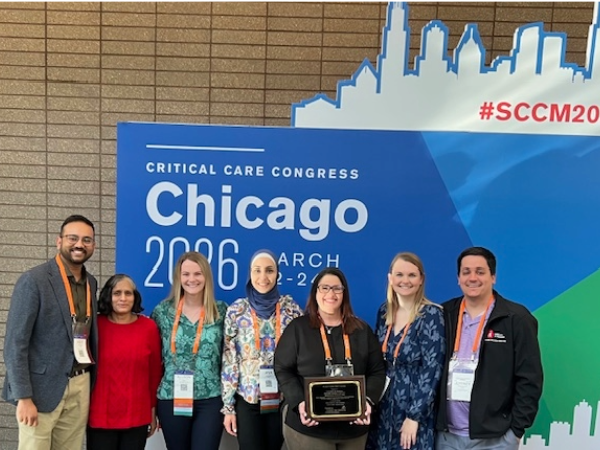 2026 Patient Safety First AwardBeyond reducing unplanned extubations, the initiative has helped protect critically ill children from potentially life-threatening complications while reducing the costs associated with prolonged intensive care.
“The fun part about prevention is that we don’t know how many events we prevented,” Thomas said. “But if we prevent one, it’s worth the hard work.”
Loberger believes the team’s work offers an important lesson for pediatric intensive care units across the country.
“I think we’ve become a national standard bearer because of our multidisciplinary approach,” said Loberger. “The SPS bundle is an excellent foundation, but meaningful, lasting improvement requires taking that next step. It also requires investing in dedicated people who are passionate, focused and present every day. Without that, improvement often becomes reactionary instead of sustainable.”
The team’s success has also influenced additional quality improvement efforts within the PICU, with its hands-on education model now being applied to other patient safety initiatives.
“It takes a team,” Thomas explained. “It takes everybody being accountable, everybody buying into the process and a lot of hard work from the entire team.”
As the PICU continues to expand its reach, the team’s work serves as a model for hospitals nationwide, demonstrating that lasting improvements in patient care come from combining evidence-based practices with collaboration, education and a sustained commitment to quality improvement.