 As children head back to daycare this school year, many parents are preparing for an inevitable part of the experience: runny noses, coughs and stomach bugs. While frequent illnesses can be frustrating, they are also a normal part of childhood and help strengthen a child’s developing immune system.
According to Maria Rueda-Altez, M.D., assistant professor in the Division of Pediatric Infectious Diseases at the University of Alabama at Birmingham (UAB) Department of Pediatrics, exposure to germs is an unavoidable part of growing up.
“Exposure to germs is something that is inevitable in daily life,” said Rueda-Altez. “It helps train the immune system and prepares the body to respond to infections in the future.”
 Maria Rueda-Altez, M.D.Why daycare illnesses are common
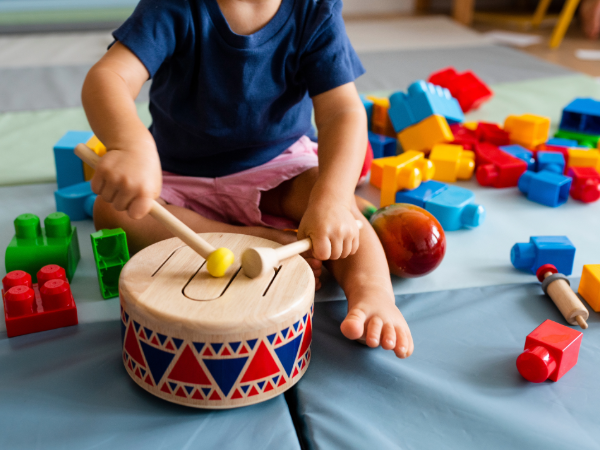
Children in daycare are especially likely to get sick because they spend their days in close contact with one another. They share toys, touch the same surfaces and often explore the world by putting objects in their mouths. Although daycare staff work hard to clean and disinfect classrooms, viruses can still spread easily among young children who are still learning healthy hygiene habits.
Research shows respiratory illnesses often increase during the first few months after children begin daycare before gradually declining over time. Although that increase can be frustrating for families, parents can take comfort in knowing that most daycare illnesses are mild and improve with supportive care.
Most illnesses children catch in daycare are viral infections. During the fall and winter months, respiratory viruses such as rhinovirus, RSV, influenza and parainfluenza are most common. During the warmer months, gastrointestinal viruses, including norovirus, rotavirus and astrovirus, become more common. While bacterial infections can occur, they are much less common than viral illnesses.
Helping reduce the spread of germs
While no child can avoid every illness, parents and caregivers can help reduce the spread of germs by:
- Teaching children healthy hygiene habits, including washing their hands regularly.
- Encouraging children to cover coughs and sneezes when they are old enough to do so.
- Providing balanced meals with fruits, vegetables and protein to support a healthy immune system.
- Keeping up with routine well-child visits.
- Staying up to date on recommended vaccinations, including the annual influenza vaccine.
Routine childhood vaccinations remain one of the most effective ways to protect children from serious illness.
“Some vaccines prevent infections all together, while other like the influenza vaccine may not be 100% effective, but have been proven to significantly reduce hospitalizations and more severe disease,” said Rueda-Altez. “With the increase in vaccine hesitancy we’re seeing in some communities, vaccines like MMR, varicella and pneumococcal are more important than ever in helping prevent severe, vaccine-preventable diseases.”
When should children stay home?
Parents should keep their child home from daycare if they:
- Have a fever and have not been fever-free for at least 24 hours without fever-reducing medication.
- Have vomiting or significant diarrhea that could spread illness to others.
- Have untreated conjunctivitis (pink eye), if required by their daycare’s policy.
- Are having difficulty breathing.
- Are unable to keep fluids down or show signs of dehydration.
- Are too sick to comfortably participate in normal daily activities.
Parents should also follow their daycare’s illness policies, as return-to-daycare requirements may vary by facility.
Not every illness needs antibiotics
Because the vast majority of illnesses children catch in daycare are caused by viruses, antibiotics are often unnecessary.
“Antibiotics are not the answer if infections are caused by a virus,” said Rueda-Altez. “They will not make the infection go away faster, and they can cause side effects such as diarrhea, rashes and yeast infections. If your child is sick, partner with your pediatrician to determine what’s causing the infection. If it’s viral, supportive care, including keeping them hydrated and treating fever or discomfort, is the best approach.”
Overuse of antibiotics in early childhood can contribute to antibiotic resistance, making some bacterial infections more difficult to treat. It has also been associated with health problems later in life, such as asthma, allergies and obesity.
While no parent enjoys seeing their child sick, a few runny noses and coughs are often part of the daycare experience. By encouraging healthy habits, staying up to date on vaccinations and partnering with their pediatrician, families can help children stay healthy while supporting the development of strong immune systems.