 Sushant Bhatnagar, Ph.D., associate professor in the Department of Medicine, Division of Endocrinology, Diabetes and Metabolism, has been named the latest recipient of the school's Featured Discovery award. This recognition celebrates notable faculty research contributions and highlights the impact of their scientific advancements.
Bhatnagar’s study, “Tomosyn-2 Regulates Postnatal β-Cell Expansion and Insulin Secretion to Maintain Glucose Homeostasis,” was published in Diabetes.
Bhatnagar and his team examined insulin-producing β-cells in the pancreas. While these cells play an important role in maintaining healthy blood sugar levels, it’s still unclear to researchers how they balance growth with their ability to release insulin.
“Our research identified a protein called Tomosyn-2 that acts as a molecular brake on insulin secretion while helping regulate β-cell growth and maturation,” said Bhatnagar. “Using mouse models, we discovered that removing Tomosyn-2 improved insulin secretion and blood sugar control but also reduced the cells' ability to multiply.”
According to Bhatnagar, this discovery has the potential to preserve or restore insulin-producing cells in people with diabetes.
 “Conducting this research has been a rewarding opportunity to advance our understanding of how pancreatic β-cell mass and insulin secretion are regulated,” said co-first author Katherine Perez. “We hope our findings illuminate the interplay between β-cell proliferation and insulin secretion and its importance in maintaining glucose homeostasis.”
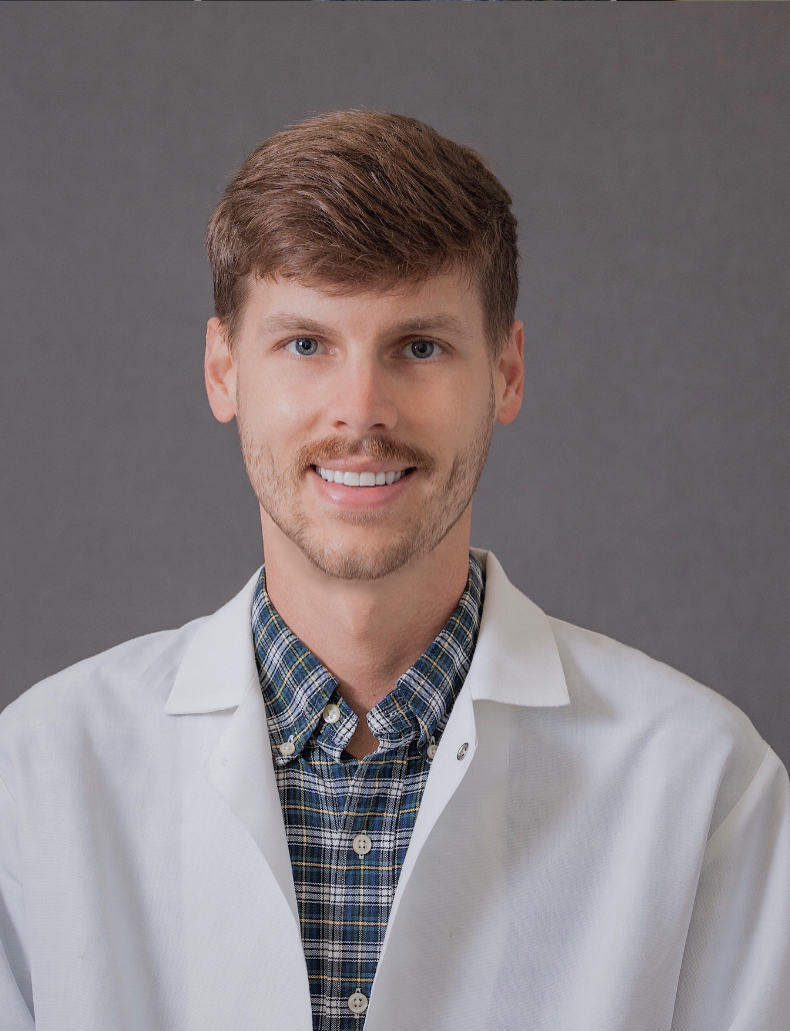 "I am incredibly grateful to be involved in research exploring the role of Tomosyn-2 in regulating insulin secretion,” said Justin Alexander, co-first author. “These important contributions will help pave the way for innovative treatments, improved prevention strategies, and meaningful progress in the field of diabetes and metabolic research."
The Heersink communications team met with Bhatnagar to gain insights into the study and help raise awareness about both the research and the Heersink School of Medicine.
What compelled you to pursue this research?
My laboratory is interested in understanding how pancreatic β-cells regulate insulin secretion and maintain their function, particularly in the context of diabetes. While much of the research in this field has focused on mechanisms that stimulate insulin release, we know considerably less about the proteins that restrain it. We were particularly interested in Tomosyn-2 because of its inhibitory role in insulin secretion and wanted to determine whether it also influences how β-cells grow and mature after birth.
What was your most unexpected finding?
The most surprising finding began with a simple but important observation by Perez, Alexander, and Haifa Alsharif, who noticed that the pancreatic islets containing insulin-producing β-cells appeared unusually small in mice lacking Tomosyn-2. This observation prompted us to investigate whether Tomosyn-2 played a broader role beyond regulating insulin secretion. While we expected that removing Tomosyn-2 would enhance insulin release, we were surprised to discover that improved insulin secretion and blood sugar control were accompanied by reduced β-cell proliferation and islet growth.
What started as an unexpected observation revealed an important biological trade-off: as β-cells become more functionally mature and efficient at releasing insulin, they may lose some of their ability to multiply. This project was spearheaded by Perez and Alexander, the co-first authors, whose dedication, outstanding experimental work, and scientific contributions were instrumental to this discovery.
How do you feel your research will impact the science community?
Our findings expand our understanding of how β-cells develop and mature by identifying Tomosyn-2 as a regulator of both insulin secretion and cell growth. Traditionally, these processes have often been studied separately, but our work suggests they are closely interconnected. This discovery opens new avenues for investigating how β-cells transition from a growing population early in life to mature insulin-secreting cells and how this balance might be manipulated to improve β-cell health.
What is your research's relevance to human disease?
Diabetes develops when pancreatic β-cells cannot produce or release enough insulin to meet the body's needs, either because the cells become dysfunctional, their numbers decline, or both. Our findings are particularly relevant to type 2 diabetes because successful treatments may require not only improving insulin secretion but also preserving or restoring sufficient β-cell mass. Although our study was conducted primarily in mice, understanding how Tomosyn-2 coordinates these processes could eventually help guide strategies to restore β-cell function without compromising their ability to grow or regenerate.
When did you know you had an important discovery?
We began to appreciate the significance of our discovery when our detailed physiological and molecular analyses revealed that Tomosyn-2 was doing much more than simply regulating insulin secretion. The observation of reduced β-cell growth, together with enhanced insulin secretion, was particularly intriguing. When our gene expression analyses further revealed coordinated changes in pathways controlling β-cell maturation and proliferation, the different pieces of the story came together. It became clear that Tomosyn-2 might play a fundamental role in determining how β-cells balance growth with functional maturity.
How has being at UAB and living in Birmingham affected your research?
UAB has provided an excellent environment to develop my research program, particularly through the Comprehensive Diabetes Center and its strong emphasis on collaborative, interdisciplinary science. Access to expertise in molecular biology, metabolism, physiology, and bioinformatics has allowed us to investigate complex biological questions from multiple perspectives. Birmingham also offers a welcoming and collegial environment that has enabled me to build a research team and establish lasting scientific collaborations.
What made you come to UAB?
I joined UAB in 2015 after completing my research training at the University of Wisconsin–Madison. I was attracted by UAB's strong research programs in diabetes and metabolism and the opportunity to establish an independent laboratory focused on understanding the molecular mechanisms regulating insulin secretion and β-cell function. The Comprehensive Diabetes Center and collaborative research environment provided an excellent foundation for building a long-term research program.
What do you find makes the science community here unique?
One of UAB's greatest strengths is its collaborative and collegial research environment. Researchers across disciplines and departments are genuinely willing to share ideas, expertise, and resources to address important scientific questions. Equally important is the vibrant community of talented graduate students and postdoctoral fellows who bring fresh perspectives, enthusiasm, and innovative ideas to our research. UAB provides an environment where trainees are encouraged to think independently, collaborate across disciplines, and develop into the next generation of scientists. Our Tomosyn-2 study is a strong example of how dedicated staff, trainees, faculty, and collaborators can work together to make important scientific discoveries.