 Recent attention surrounding blood clots in athletes has raised questions about how these conditions develop and what they can mean for long-term health. Irfan Asif, M.D., chair of the UAB Department of Family and Community Medicine, Heersink Endowed Professor of Sports & Exercise Medicine, and a sports cardiology specialist, shares general information about deep vein thrombosis (DVT), pulmonary embolism and recovery from these conditions.
Disclaimer: This expertise is shared based on a typical injury and not intended to diagnose or provide an outlook on Jalen Hurts’ situation.
What is a blood clot?
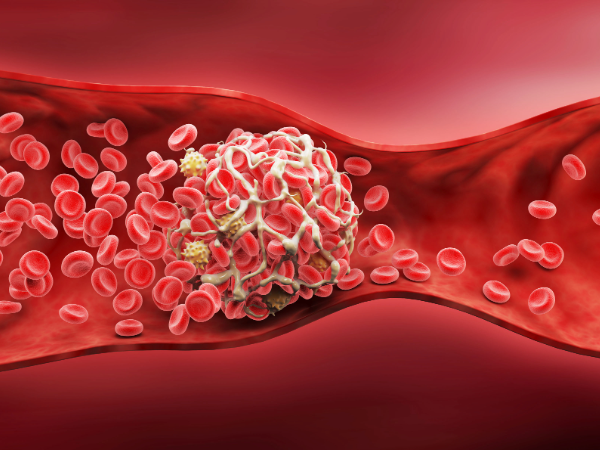
Blood normally flows through the veins back to the heart. A clot, or thrombosis, is a collection of blood that forms inside the vein and blocks that flow current. When the clot forms in a deep vein, most commonly in the leg, it is known as a deep vein thrombosis (DVT).
“The primary concern is that a piece of the clot can break away and travel through the bloodstream to the lungs,” said Irfan Asif, M.D., “When that happens, it’s called a pulmonary embolism, which can affect the body’s ability to get oxygen.” Together, DVT and pulmonary embolism are referred to as venous thromboembolism (VTE).
Most patients experience a full recovery with the appropriate treatment.
How can blood clots develop in athletes?
Although blood clots are often associated with older adults or medical patients, athletes can also be at risk under certain conditions. Factors that may contribute to a clot include:
• A direct blow or injury to the leg that damages a vein
• Extended travel involving prolonged sitting, such as long flights or bus rides
• Immobilization following an injury or surgery
• Dehydration
• Underlying inherited clotting disorders or other medical risk factors
“Often it’s not one factor alone,” said Asif. “Several risk factors can stack together, such as a leg injury followed by prolonged travel.”
What symptoms should people watch out for?
Symptoms of DVT may include:
• Swelling, often in one leg
• Calf pain, tenderness, or cramping
• Warmth, redness, or discoloration of the skin
Symptoms that may signal a pulmonary embolism require immediate medical attention and can include:
• Sudden shortness of breath
• Chest pain, especially when taking a deep breath
• Coughing, sometimes with blood
• Rapid heartbeat
• Lightheadedness or fainting
Anyone experiencing these symptoms should seek emergency medical care.
 How are blood clots diagnosed?
Physicians typically diagnose DVT using ultrasound imaging of the affected area. If a pulmonary embolism is suspected, a CT pulmonary angiogram is often used to examine blood vessels in the lungs. In some cases, blood tests, like a D-dimer, may help determine whether additional imaging is needed.
How are blood clots treated?
Most blood clots are treated with anticoagulant medications, commonly known as blood thinners. These medications help prevent the clot from growing while allowing the body to gradually dissolve it. Surgery or a catheter-based procedure is generally used in rare or severe cases involving a large or life-threatening clot.
What does recovery look like?
Many patients remain on blood-thinning medication for at least three months, specifically when the clot has a clear cause such as injury or surgery. Recovery timelines vary based on factors such as the size and the location of the clot, overall health, and an individual’s ongoing risk factors.
When can an athlete return to sports?
One of the biggest considerations for athletes is the use of blood thinners. While light activity and walking are generally recommended early in the recovery process, contact sports are usually restricted while an athlete is taking an anticoagulant medication because of the increased risk of bleeding associated with trauma.
Return-to-play is handled based on the individual and typically depends on medical evaluation, and whether blood-thinner therapy can be safely removed from their recovery.
Can blood clots be prevented?
Athletes can reduce the risk of a blood clot by:
• Staying mobile during long trips
• Remaining hydrated
• Reporting leg injuries and swelling promptly
• Recognizing warning signs early
• Discussing preventative strategies with a physician when risk factors are present
Early recognition and treatment are the most important tools for preventing serious complications.
When to seek care?
Anyone experiencing sudden shortness of breath, chest pain, fainting, or coughing up blood should seek emergency medical attention immediately. Individuals with unexplained leg swelling or pain should also be evaluated promptly.
UAB Medicine’s multidisciplinary team includes experts in sports medicine, vascular medicine and hematology to help diagnose and manage blood-clot conditions and guide a safe path to activity.