September 2026
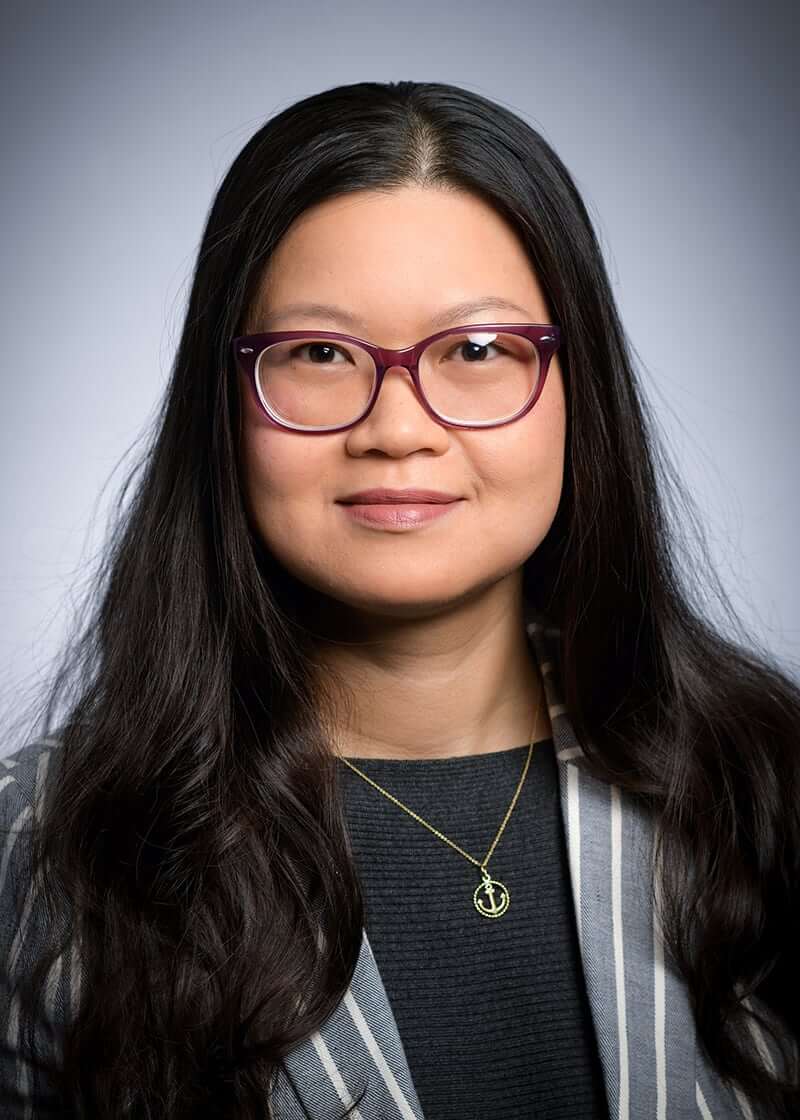
September 2026: Van Thi Ha Nghiem, PhD nghiem@uab.eduAssistant Professor, Health Policy and Organization
What brought you to the UAB School of Public Health?
Tremendous opportunities for career development as a health decision scientist, solid institutional support from a state flagship SOPH in the Deep South, and the high potential for generating impactful research evidence for health policymaking at local, state, national and global levels.
What is the broad focus of your research?
Participatory policy-oriented modeling, which interlaces disease modeling, qualitative research, and dissemination research, and engages policymakers for the selection of best-suited healthcare programs for local settings.
Where did you receive your training and degrees?
The Hutch (Fred Hutchinson Cancer Center), UT Health Houston School of Public Health, and MD Anderson Cancer Center
What is the most exciting project you are currently working on?
All my projects, which are centered on my methodological approach of using disease modeling and economic research alongside RCTs for the purpose of best allocating resources while maximizing the population health and quality of life for people living with or being impacted by HIV.
What is your favorite self-authored manuscript?
What professional accomplishment(s) are you most proud of so far in your career?
I serve as an "on-call" modeler and health economist around campus, and I teach what I research.
What is the coolest training or program you've been a part of, or your favorite conference you've attended?
The transdiagnostic Common Elements Treatment Approach (CETA) program in January 2023.
This is an evidence-based, cost-effective intervention in addressing simultaneous illnesses and conditions, such as depression, anxiety, unhealthy alcohol use, other substance use disorders, and posttraumatic stress symptoms. We had CETA experts fly over here to provide training for Master's-level and PhD-in-training psychologists (and I just sneaked in). It was an eye-opening training since I used to not be convinced about "talk" counseling. This training shifted my mindset.
What kind of research would you like to be doing that you haven't yet had the opportunity to do?
I wish to study how to deliver long-term follow-up care for childhood cancer survivors efficiently and contribute to care guidelines using multiple-site longitudinal datasets and integrated electronic health records (EHRs) systems.
If you had the funding to answer any one research question, what would that question be?
I would like to develop an "Archimedes model" that simulates all human diseases across the lifespan beginning at birth. A version of this model once existed but has since been retired at the University of Pittsburgh. Many modelers have this same dream about a "one-size-fit-all" system.
If you weren't in academia, what would your career be?
Sales engineer for biomedical devices, particularly imaging diagnostics systems such as ultrasound machines and MRI scanners.