Sippy Cups, Snacks, and Cavities: What Parents Need to Know
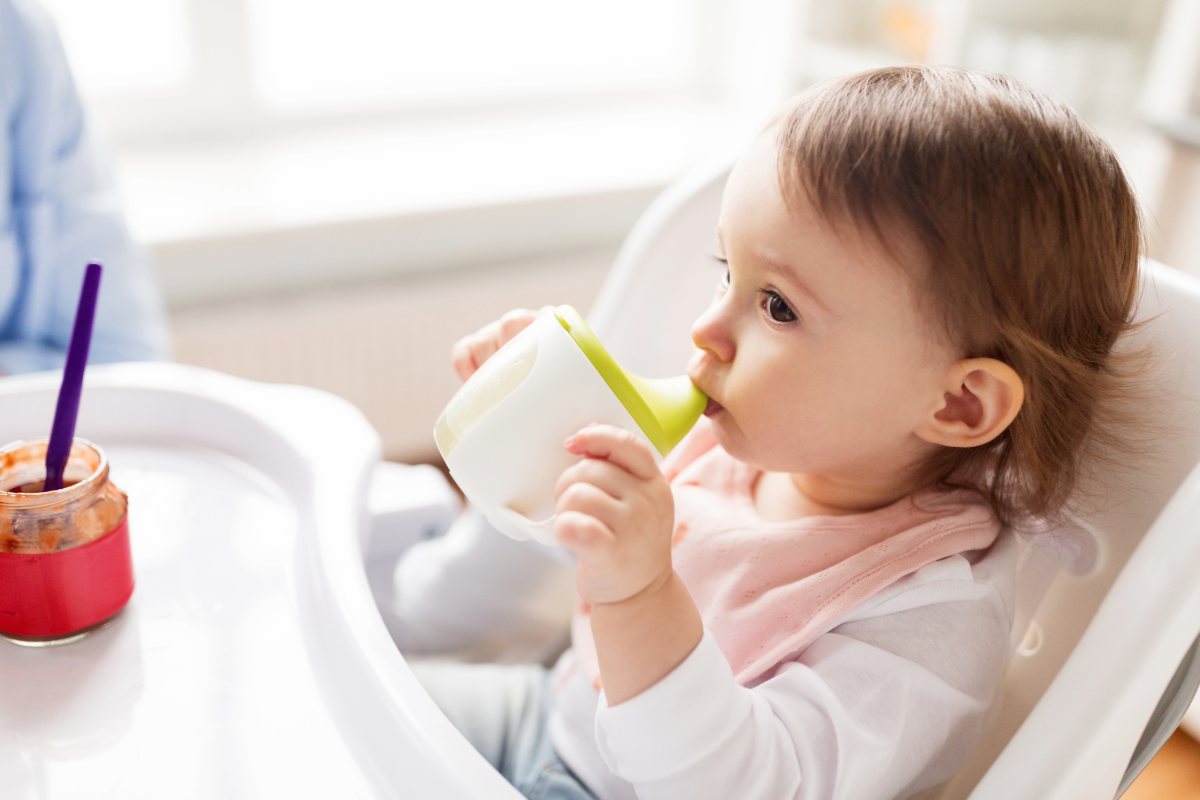 Even healthy routines can lead to dental problems if they are not used the right way.
Dr. Cecilia Cheon, a pediatric dentistry specialist and director of UAB Dentistry Pediatric Dentistry, says small changes in everyday habits can help prevent cavities and support healthy teeth in infants, toddlers, and preschoolers.
Everyday habits that can impact your child's oral health
That sippy cup you give your toddler to keep them occupied or the quick snack you offer between meals may seem harmless. However, frequent exposure to sugary drinks and snacks can increase the risk of cavities in young children.
“Many parents think that baby teeth aren’t important because they’ll fall out anyway,” says Dr. Cheon. “But baby teeth help children speak clearly, chew properly, and guide adult teeth into place. How we care for them early on really matters.”
When should children stop using sippy cups?
Sippy cups can help children transition from bottles to regular cups, usually beginning around 6 months of age. However, introducing an open cup between 12 and 18 months is recommended.
Continuing to use sippy cups beyond age 2 may delay drinking skills and increase the risk of tooth decay, particularly if children carry them throughout the day with sweetened beverages.
How sippy cups contribute to tooth decay
Constant sipping, especially on milk, juice, or sweet drinks, keeps sugars on the teeth for extended periods.
This allows cavity-causing bacteria to produce acid throughout the day, increasing the risk of enamel damage and tooth decay.
Best and worst drinks for young teeth
Juice, flavored milk, and sweetened beverages can increase the risk of cavities, even when labeled as natural or 100 percent fruit juice.
Milk also contains natural sugars. Water is the best choice between meals. Milk and juice should be reserved for mealtimes and offered in moderation.
Understanding early childhood caries
Early childhood caries (ECC), often referred to as baby bottle tooth decay, is a serious form of tooth decay that affects infants and young children.
It commonly develops when teeth are repeatedly exposed to sugary liquids, especially when children fall asleep with bottles or sip from cups throughout the day.
Avoid offering anything other than water at bedtime or between meals to help reduce cavity risk.
Why frequent snacking matters
Each time a child eats, bacteria in the mouth produce acids that temporarily weaken tooth enamel.
Frequent snacking creates repeated acid attacks throughout the day and gives teeth less time to recover. Offering structured meals and snacks with breaks in between can help protect enamel.
Snacks that are more likely to cause cavities
Sticky foods such as gummy fruit snacks, crackers, granola bars, and dried fruit tend to stay on teeth longer and are harder to remove.
These foods can break down into sugars that feed cavity-causing bacteria. Drinking water afterward and brushing when possible can help reduce their impact.
Simple ways to prevent cavities
Dr. Cheon recommends the following habits to help protect young teeth:
- Offer only water between meals, especially in sippy cups.
- Serve milk or juice during mealtimes only.
- Transition to an open cup by 12 to 18 months of age.
- Brush twice daily using a smear of fluoride toothpaste for children younger than 3 and a pea-sized amount for children 3 and older.
- Schedule a dental visit by your child's first birthday.
Transitioning to an open cup
Start with short practice sessions while your child is seated. Use a small amount of liquid to minimize spills and praise their efforts. Many families also find success using trainer cups with an open-style rim rather than a traditional spout.
A final reminder for parents
Consistency matters most.
Dr. Cheon says, “Offer water often, limit sugary snacks and drinks, and make brushing a daily habit. These small daily habits will protect your child’s smile for years to come.”
Build healthy habits from the start
Protecting your child's teeth does not require a complete overhaul of your routine. Small daily changes can make a significant difference.
Limiting sugary drinks, reducing frequent snacking, encouraging open cup use, brushing twice a day with fluoride toothpaste, and scheduling regular dental visits can help prevent cavities and support healthy smiles as children grow.
About UAB Dentistry Pediatric Dentistry
The UAB Dentistry Pediatric Dentistry provides comprehensive dental care for infants, children, adolescents, and patients with special health care needs. Our team focuses on prevention, education, and creating positive dental experiences that help children develop healthy habits for life.
Book an Appointment: (205) 934-4546
Article Attribution
Written by: Edlyn Olmos
Medically Reviewed by: Kyounga “Cecilia” Cheon, D.M.D., M.S.
More Patient Education
Healthy Teeth for Kids: Oral Health Tips by Age
Why Age 7? UAB Dentistry Experts Explain the Importance of Early Orthodontic Visits