Patient Education

Dental Visits for Children with Special Health Care Needs
For parents of children with special health care needs, going to the dentist may come with questions that extend beyond teeth. When should I make the first appointment? What should I tell the dental office beforehand? And what happens if my child cannot make it through the entire visit?
Stephen Mitchell, a pediatric dentistry expert at UAB Dentistry, says one of the most helpful things families can do is establish dental care before a problem develops.
“Give your child time to become familiar with the dental office when there isn’t an urgent problem that needs to be treated,” Mitchell said. “Those early experiences give us an opportunity to build a relationship and develop trust at the child’s pace.”
Start before something hurts
When a child’s first dental visit happens because of a toothache or another urgent problem, there may be less opportunity to slowly introduce the environment and what happens during an appointment.
Starting earlier allows a child to experience simpler visits, become familiar with the dental team and begin building trust before more involved care is needed. For Mitchell, that relationship is especially important. Some children may need more time than others to become comfortable with a provider, and that does not have to happen during a single appointment.
Parents can help build familiarity at home. Brushing and flossing not only keep teeth healthy but also give a child repeated experiences with having someone touch around their mouth and place something inside it. Even if those routines are difficult at first, continuing to practice can help make oral care more familiar over time.
Make prevention a priority
Preventing dental problems is important for every child, but it can take on additional importance when dental treatment may be more difficult for a child to tolerate.
Along with brushing and flossing, Mitchell encourages parents to pay attention to how frequently children are exposed to sugary foods and drinks.
“Even 100% fruit juice contains natural sugar that the bacteria in our mouths can use,” Mitchell said. “We’re not saying a child shouldn’t have birthday cake or enjoy candy on Halloween. What we really want families to think about is those frequent, day-to-day exposures.”
For children who may have a harder time undergoing dental procedures, preventing tooth decay can help reduce the need for more involved treatment later.
Share what you know about your child
Parents can also help the dental team prepare by sharing information about their child before the appointment. That may include previous dental or medical experiences, situations that may be difficult and strategies that have worked well in other settings.
Medication timing may be another consideration. For example, some children with ADHD take medication in the morning so its effects align with the school day. If a parent knows there is a particular time when their child generally does better, Mitchell recommends mentioning that when scheduling.
Parents should not change a child’s medication schedule on their own to accommodate a dental appointment. Any potential adjustment should first be discussed with the child’s medical provider.
Give progress time
A successful dental visit does not always mean completing everything in one appointment.
A child may be comfortable sitting in the dental chair but not yet ready to lie back. At another visit, turning on the overhead light may be the next step. Eventually, the child may feel comfortable allowing the dentist to look inside their mouth.
“Your child does not have to accomplish the entire appointment on the first trip,” Mitchell said. “Be patient and give the relationship time to develop. If we make a few steps in the right direction, we can continue building from there.”
Finding the right provider can be part of that process.
“Children connect with different people, and that’s okay,” Mitchell said. “A child may be hesitant with one provider and connect with someone else. Parents should feel comfortable looking for a practice and provider whose approach is a good fit for their child.”
When a child already has significant dental problems, has had difficult experiences receiving care or needs more support during treatment, Mitchell recommends seeking a dentist with appropriate additional experience. Depending on the child and the care needed, some treatment may require additional options, including hospital-based care or general anesthesia.
Did you know?
Your child doesn’t have to wait for a toothache to visit the dentist. Coming in just to explore the clinic and get to know the dental team can make all the difference when it’s time for treatment.
About the UAB Civitan-Sparks Dental Clinic
The UAB Civitan-Sparks Dental Clinic provides preventive and restorative dental care for children and adults with developmental and other disabilities, including autism, intellectual disabilities and sensory integration concerns. Co-directed by Mitchell, who has more than two decades of experience caring for patients with special health needs, the clinic provides individualized care that considers each patient’s health, communication, sensory and behavioral needs.
Article Attribution
Written by: Edlyn Olmos
Medically Reviewed by: Stephen Mitchell, D.M.D., M.S.
More Patient Education
Healthy Teeth for Kids: Oral Health Tips by Age
Why Age 7? UAB Dentistry Experts Explain the Importance of Early Orthodontic Visits

Why Does My Child Have Bad Breath?
Bad breath happens to everyone from time to time, including children. But if your child’s bad breath keeps coming back, even after they clean their teeth, you may start to wonder if something else is going on.
Ping Zhang, a pediatric dentistry expert at UAB Dentistry, explains what can cause bad breath in children, what parents can try at home and when it may be worth talking with a dentist.
What causes bad breath in children?
Many cases of bad breath begin in the mouth. Bacteria can accumulate on the teeth, gums and tongue and produce unpleasant odors. Food left between the teeth, plaque buildup and other oral health concerns can also contribute.
“Bad breath once in a while is common, but when parents notice it regularly, it may be helpful to take a closer look at the child’s daily habits and oral health,” Zhang said. “Sometimes a small change in their routine can make a difference. However, persistent bad breath may signal an underlying dental or medical issue and should be evaluated further.”
Why does my child have bad breath even after brushing?
Brushing helps clean the teeth, but odor-causing bacteria can also build up in areas a toothbrush may not reach, including between the teeth and on the tongue. If a child has severe tooth decay, gum disease or another oral infection, brushing alone may not eliminate the odor. Certain medical conditions, such as sinus infections, enlarged tonsils or acid reflux, can also contribute to bad breath.
This means fresh breath is not necessarily about brushing more often. It may be about cleaning areas that are being missed or addressing an underlying oral or medical condition.
“Parents may see their child brushing every day and assume that all areas of the mouth are adequately cleaned,” Zhang said. “Depending on the child’s age and skill level, they may still need help with cleaning certain areas and flossing as part of their daily oral hygiene routine.”
Can mouth breathing cause bad breath?
Children who breathe through their mouth may experience more dryness in the mouth. Research has found an association between mouth breathing and bad breath in children.
Saliva plays an important role in keeping the mouth clean. When the mouth becomes dry, bacteria and debris are not cleared away as easily.
“If a parent regularly notices mouth breathing along with bad breath, especially when the symptoms persist, it is worth bringing to the attention of the child’s dentist,” Zhang said. “It gives us another piece of information as we consider potential factors contributing to the problem.”
Is morning breath normal for kids?
Morning breath is common. Saliva production decreases during sleep, giving odor-producing bacteria more opportunity to build up overnight.
If the odor improves after your child gets up and cleans their mouth, it may simply be morning breath. Bad breath that continues throughout the day or repeatedly returns deserves more attention.
How can I help my child with bad breath?
Instead of simply reaching for a mint, focus on where the odor may be coming from.
Clean the tongue. Bacteria can accumulate on its surface, so gently cleaning it can be an important part of the routine.
Check the spaces between teeth. Food and plaque can remain where a toothbrush cannot reach. Flossing helps clean those areas.
Look for a pattern. Notice when the bad breath occurs and whether it improves after cleaning the mouth. This information can be useful if you need to discuss it with your child’s dentist.
When should I talk to my child’s dentist?
If bad breath continues despite good oral hygiene, bring it up with your child’s dentist. A dental examination can help determine whether something in the mouth may be contributing and whether additional evaluation is needed.
“Persistent bad breath is something parents should feel comfortable discussing with their child’s dentist,” Zhang said. “Finding out why it is happening is more helpful than simply trying to cover up the odor. Establishing a dental home by a child’s first birthday and maintaining regular dental visits can help detect and address oral health concerns early, including issues that may contribute to bad breath.”
About UAB Dentistry Pediatric Dentistry
UAB Dentistry Pediatric Dentistry provides comprehensive dental care for infants, children, adolescents and patients with special health care needs. Our team focuses on prevention, early intervention and helping families build healthy oral habits that last.
Book an Appointment: (205) 934-4546
Article Attribution
Written by: Edlyn Olmos
Medically Reviewed by: Ping Zhang, D.D.S., Ph.D.
More Patient Education
Healthy Teeth for Kids: Oral Health Tips by Age
Why Age 7? UAB Dentistry Experts Explain the Importance of Early Orthodontic Visits

Could your breathing treatments be affecting your teeth?
The oral health connection many inhaler and nebulizer users don't know about
Most people know that inhalers and nebulizers can be essential tools for managing asthma, chronic obstructive pulmonary disease (COPD), chronic bronchitis and other respiratory conditions. For many patients, these medications help them stay active, manage symptoms and maintain their quality of life.
What many people do not realize is that some inhaled medications can also affect oral health.
"In general, inhaled medications are safe and effective, but should be used under the care of a physician and your dentist should be informed of all medications you are taking as many can impact oral health. Patients should be aware of the signs and symptoms of oral conditions associated with some of inhaled medications so that they can report any adverse oral effects to their dentist," said Mia L. Geisinger, D.D.S., M.S., an oral health expert at UAB Dentistry.
Why dry mouth matters
One of the most common oral health concerns associated with some inhaled medications is dry mouth, also known as xerostomia.
According to Geisinger, some medications commonly delivered through inhalers and nebulizers can significantly reduce saliva production. Known as beta-agonists and anticholinergics, these medications are often prescribed to help open the airways and make breathing easier for patients with asthma, COPD and other respiratory conditions.
While many people think of saliva simply as moisture, it plays an important role in protecting the teeth and gums. When saliva levels decrease, the risk of dental caries, or tooth decay, increases. Dry mouth can also worsen inflammation of the gums.
Effects beyond dry mouth
Another concern involves inhaled corticosteroids, medications commonly prescribed to reduce inflammation in the lungs and airways. Geisinger says these medications can predispose some patients to oral candidiasis, a fungal infection commonly known as thrush.
Further, the impact of inhaled medications can extend beyond saliva and fungal infections. Some inhalers and nebulizers contain acidic medications that can lower the pH of the mouth.
"When pH in the mouth drops below 5.5, demineralization of enamel occurs," Geisinger said. "And if a patient has exposed tooth root surfaces due to gingival (gum) recession, oral pH only has to drop to 6.5 to start the demineralization process on root cementum.
Patients with gum recession may be especially vulnerable because the roots of teeth contain less mineral and are softer than enamel covered tooth crowns. This makes root surfaces more susceptible to damage when the mouth becomes more acidic. Over time, those changes can contribute to tooth erosion and increase the risk of tooth decay.
Geisinger also notes that chronic use of some inhaled medications, particularly when combined with dry mouth, may alter the balance of bacteria and other microorganisms that naturally live in the mouth. Shifts in oral microorganisms can result in increased development and progression of tooth decay and gum diseases.
Some patients may also experience irritation or ulceration of the soft tissues lining the mouth, particularly if medication is repeatedly delivered to the same area.
Working with your health care team
Regular dental visits and open communication with both medical and dental providers can help patients manage the potential oral health effects of inhaled medications while continuing to receive the respiratory benefits these therapies provide.
Understanding the connection between inhaled medications and oral health can help patients identify potential concerns early and seek appropriate care.
While patients should be aware of the potential impacts associated with some inhaled medications, Geisinger emphasizes that these therapies remain safe and effective when used as prescribed.
"Inhaled medications are commonly used to help patients address respiratory and other conditions, but all medications can have adverse effects. Patients who are aware are about oral conditions associated with inhaled medications can seek care to address them as early as possible,” she said. In general, inhaled medications are safe and effective, but should be used under the care of a physician and a dentist and patients should be aware of the signs and symptoms of oral conditions associated with some of these medications," she said.
"If patients notice any of these impacts when using an inhaled medication, they should visit their dental healthcare professional and consult their prescribing physician."
Learn Why Regular Dental Checkups Matter
About UAB Dentistry Periodontics
Healthy gums and supporting tissues are essential to oral health, function and quality of life. UAB Dentistry Periodontics specializes in the prevention, diagnosis and treatment of periodontal disease and conditions affecting the structures that support the teeth, including gum recession, dental implants and complex periodontal conditions.
Book an Appointment: (205) 934-4551
Article Attribution
Written by: Lynne Jarreau
Medically Reviewed by: Mia L. Geisinger, D.D.S., M.S.
More Patient Education
How to Protect Your Natural Teeth and Prevent Tooth Loss
Electric or manual toothbrush: Which is right for you?
Tooth Decay and Cavities: Symptoms, Treatment, and Prevention
Protecting your oral health while using inhalers and nebulizers
Stay on top of routine dental care.
Regular dental visits can help identify early signs of dry mouth, tooth decay, gum inflammation, oral fungal infections and other conditions that may be associated with inhaled medications.
Tell your dentist about the medications you use.
Be sure your dental team knows about all over-the-counter and prescription medications you regularly use, including any inhalers, nebulizers and other medications you use. This information can help your dentist evaluate potential risk factors and recommend appropriate preventive care.
Pay attention to changes in your mouth.
Persistent dry mouth, bad breath, mouth sores, oral irritation, white patches in the mouth or changes in your teeth and gums are all worth discussing with your dentist and your physician.
Work with both your physician and dentist.
Inhaled medications are important, often life-saving treatments for many respiratory conditions. If you experience oral health concerns, talk with both your prescribing physician and dental provider rather than discontinuing medications on your own.

Why Are My Teeth Suddenly Sensitive?
One sip of ice water. A bite of something sweet. Even a breath of cold air. If something that never bothered your teeth before suddenly makes you wince, you may wonder what changed.
Tooth sensitivity is common, but it is not always caused by the same thing. Emerson Martins, a restorative dentistry expert at UAB Dentistry, explains why teeth can become sensitive and when a new sensation is worth mentioning to your dentist.
Why do my teeth hurt when I drink something cold?
A tooth has several layers. Enamel protects the outer part of the tooth, while a layer called dentin sits underneath it. When dentin becomes exposed, cold, heat, touch and certain foods can trigger a short, sharp sensation.
“Patients may notice sensitivity very suddenly, even though the changes that led to it have been developing over time,” Martins said. “The important thing is understanding why the tooth has become sensitive rather than simply avoiding whatever triggers it.”
Why would my teeth suddenly become sensitive?
Sensitivity can develop when enamel wears down or when the roots of the teeth become exposed. Gum recession, tooth wear and dental erosion caused by acidic foods and drinks—such as sodas and energy drinks—as well as acid reflux (GERD) can leave dentin less protected. The American Dental Association notes that both dietary acids and intrinsic acids, such as those associated with acid reflux, can contribute to erosive tooth wear and, in more advanced cases, exposed dentin and sensitivity.
Low saliva flow, or xerostomia, can also affect the oral environment and increase the risk of dental problems. If dry mouth or acid reflux may be contributing to changes in your teeth, it is important to discuss these concerns with your dentist and, when appropriate, your physician.
But a sensitive tooth does not always mean dentin hypersensitivity. Tooth decay, a cracked or chipped tooth, problems with an existing filling and other dental conditions can cause similar discomfort.
“Sensitivity is a symptom, not a diagnosis,” Martins said. “Two patients may describe a similar feeling but have very different reasons for experiencing it. Identifying the cause helps us determine what treatment, if any, is needed.”
Can brushing too hard make my teeth sensitive?
More pressure does not necessarily mean cleaner teeth. Brushing habits, improper technique and using a toothbrush with hard bristles can contribute to tooth wear, particularly when combined with other factors that affect the tooth surface. Gum recession can also expose areas of the tooth that are more sensitive.
If you are concerned about your brushing technique, your dental team can show you how to clean your teeth effectively without unnecessary force and how to choose a soft-bristled toothbrush to help protect your teeth.
Does tooth sensitivity mean I have a cavity?
Not necessarily. A cavity can cause sensitivity, but so can several other dental conditions. The sensation alone cannot tell you what is happening inside or around the tooth.
This is especially important if sensitivity is new, continues to get worse or seems to come from one particular tooth.
Does toothpaste for sensitive teeth actually work?
Some toothpastes contain ingredients designed to reduce dentin sensitivity and can provide relief when dentin hypersensitivity is the cause. However, toothpaste for sensitive teeth cannot treat every condition that causes tooth pain. In some cases, treatment such as a filling or root canal may be needed when toothpaste or other desensitizing treatments do not address the cause of the sensitivity.
“Before assuming sensitivity is something you simply have to live with, talk with your dentist,” Martins said. “Once we understand what is causing it, we can recommend an approach that makes sense for your individual needs.”
When should I see a dentist about sensitive teeth?
Pay attention to sensitivity that is new, persistent, worsening or limited to a particular tooth. Pain that continues after the hot or cold trigger is gone may also deserve a closer look because true dentin hypersensitivity is generally brief.
A dental exam can help identify what is behind the change and determine whether treatment is needed.
Learn Why Regular Dental Checkups Matter
About UAB Dentistry Comprehensive Care Clinic
Most new adult patients begin their journey at UAB Dentistry Comprehensive Care. Our team provides comprehensive dental services, including preventive, restorative and prosthetic care, in a supervised educational setting. Patients benefit from personalized treatment planning, continuity of care and faculty oversight throughout treatment while helping prepare the next generation of dental professionals.
Book an Appointment: (205) 934-2700
Article Attribution
Written by: Edlyn Olmos
Medically Reviewed by: Emerson Martins, D.D.S., M.S.c, Ph.D.
More Patient Education
How to Protect Your Natural Teeth and Prevent Tooth Loss
Electric or manual toothbrush: Which is right for you?
Tooth Decay and Cavities: Symptoms, Treatment, and Prevention

How Summer Heat Can Affect Oral Health
Summer is a time for vacations, pool days, outdoor activities, and long hours in the sun. While many people think about protecting their skin from the heat, they may not realize that hot weather can affect their oral health, too.
Higher temperatures can increase your risk of dehydration, which reduces the amount of saliva your body produces. According to Elyse Dengler, D.M.D., a general dentistry expert at UAB Dentistry, saliva plays an important role in keeping your mouth healthy.
"Saliva does much more than keep your mouth comfortable," Dengler said. "It helps wash away food particles, neutralize acids produced by bacteria, and protect your teeth from decay. When you're dehydrated, your mouth loses some of that natural protection."
Understanding how summer heat affects your mouth can help you make simple choices that keep your smile healthy all season long.
Why saliva matters
Most people don't think about saliva until they notice their mouth feels dry. But every day, saliva helps protect your teeth and gums by washing away food debris, reducing harmful acids, and making it easier to chew and swallow.
When your body doesn't have enough fluids, it produces less saliva. That can allow bacteria to remain on your teeth longer, increasing the risk of cavities, bad breath, and irritation of the gums and other tissues inside the mouth.
"Dry mouth may seem like a minor inconvenience, but over time it can increase the risk of oral health problems," Dengler said. "That's why staying hydrated is one of the easiest ways to support a healthy smile."
Recognizing the signs of dehydration
Spending time outdoors, exercising, or working in the heat can all increase the amount of water your body loses. If those fluids aren't replaced, your mouth may begin to show signs of dehydration before you notice other symptoms.
Common signs include:
- A dry or sticky feeling in your mouth
- Bad breath that doesn't improve after brushing
- Difficulty chewing or swallowing
- Dry or cracked lips
- Feeling thirsty more often than usual
While these symptoms often improve after drinking water, persistent dry mouth should not be ignored.
"If your mouth frequently feels dry even when you're drinking enough water, it's a good idea to talk with your dentist," Dengler said. "Certain medications and medical conditions can also reduce saliva production, and there are ways we can help manage those symptoms."
Choosing drinks that are better for your smile
When the weather is hot, reaching for a cold drink is second nature. Water is the best choice because it keeps your body hydrated without exposing your teeth to added sugar or acids.
Many popular summer beverages—including sports drinks, energy drinks, sodas, and sweetened teas—contain ingredients that can increase the risk of tooth decay if they're consumed frequently.
That doesn't mean you have to avoid them completely. Dengler recommends enjoying them in moderation and following them with water when possible to help rinse your mouth.
"Small habits can make a meaningful difference," she said. "Keeping a reusable water bottle with you is an easy reminder to drink water throughout the day."
Keeping your smile healthy this summer
Protecting your oral health during the summer doesn't require major changes. Drinking plenty of water, choosing tooth-friendly beverages more often, and paying attention to signs of dry mouth can all help reduce your risk of oral health problems.
Whether you're spending the day at the beach, hiking, traveling, or simply enjoying time outside, staying hydrated is one of the simplest ways to care for your smile. If you notice ongoing dry mouth or have concerns about changes in your oral health, your dentist can help identify the cause and recommend solutions that fit your needs.
About UAB Dentistry Comprehensive Care Clinic
Most new adult patients begin their journey at UAB Dentistry Comprehensive Care. Our team provides comprehensive dental services, including preventive, restorative, and prosthetic care, in a supervised educational setting. Patients benefit from personalized treatment planning, continuity of care, and faculty oversight throughout treatment while helping prepare the next generation of dental professionals.
Book an Appointment: (205) 934-2700
Article Attribution
Written by: Edlyn Olmos
Medically Reviewed by: Elyse Dengler, D.M.D.
More Patient Education
How to Protect Your Natural Teeth and Prevent Tooth Loss
Can You Skip the Dentist? Why Regular Dental Checkups Matter

How to protect your natural teeth and prevent tooth loss
How to Protect Your Natural Teeth and Prevent Tooth Loss
Your natural teeth are a valuable part of your overall health. We only get one adult set, and protecting them through good oral hygiene, preventive dental care, and healthy habits can help them last a lifetime.
Sometimes, however, teeth need rescuing. That's where endodontics comes in.
Endodontists focus on diagnosing and treating issues involving the dental pulp and tissues surrounding the roots of teeth. They are best known for performing root canal treatment, a procedure that can save a tooth that has become severely damaged or infected.
Ashraf F. Fouad, D.D.S., M.S., an endodontic specialist and oral health expert with UAB Dentistry, works closely with colleagues across multiple dental specialties to promote oral health and help patients preserve their natural teeth whenever possible.
Often speaking about the prevention and treatment of endodontic disease, Dr. Fouad says tooth decay is one of the most preventable oral health conditions.
“Caries, which causes tooth decay, is very preventable if you get in the right habits,” Dr. Fouad said. “Good oral hygiene habits, together with a balanced diet, healthy salivary flow, and avoidance of frequent sugary snacks, are essential for maintaining healthy teeth and gums and preventing problems.”
Build strong oral hygiene habits
Protecting your teeth starts with a consistent daily oral hygiene routine.
Brush your teeth for two minutes twice a day using a soft-bristled toothbrush and a pea-sized amount of fluoride toothpaste. Fluoride can help strengthen tooth enamel and reduce the risk of cavities.
Floss at least once a day using a gentle sawing motion and curve the floss around each tooth in a C-shape. This helps remove food particles and plaque from between the teeth and along the gumline.
After brushing and flossing, consider using an antimicrobial mouthwash to help reduce bacteria in the mouth.
Don't forget to replace your toothbrush every three to four months, or sooner if the bristles become frayed. A worn toothbrush is less effective at cleaning teeth.
Support oral health with healthy lifestyle choices
Dr. Fouad says oral health and overall health are closely connected.
Drinking water throughout the day and eating a balanced diet rich in fruits, vegetables, lean proteins, and whole grains can support healthy teeth and gums. Limiting sugary snacks and acidic foods and beverages can help reduce the risk of tooth decay.
Avoiding tobacco products is equally important. Smoking and other tobacco use can increase the risk of oral cancer, gum disease, tooth loss, tooth pulp infections, and delayed healing following dental treatment.
Quitting tobacco benefits both oral health and overall well-being.
Schedule regular dental visits
Routine dental examinations and professional cleanings remain one of the best ways to prevent dental problems. Regular visits allow dentists to identify concerns early and recommend treatment before issues become more serious.
“In most industrialized countries, where access to care is higher, caries is on the decline, but dental trauma is on the rise,” said Dr. Fouad. “Trauma can result from things like accidents, falls and fights, but a big factor is our focus on a healthy, active lifestyle.”
Protect your teeth during sports and recreation
Participation in sports and physical activity offers many health benefits, but it can also increase the risk of dental injuries.
Activities such as cycling, basketball, and soccer are common sources of dental trauma. While helmets provide important protection, they do not protect teeth.
Fouad recommends wearing a properly fitted mouthguard during contact sports and other high-risk activities to help prevent tooth injuries.
Why saving natural teeth matters
While tooth extraction and tooth replacement are sometimes necessary, preserving natural teeth is almost always the preferred option.
Natural teeth are designed to efficiently break down food and support digestion. They also help maintain jawbone health because chewing stimulates the bone and helps preserve its strength.
When teeth are lost, neighboring teeth can shift, creating bite problems, alignment issues, and gum concerns. Tooth loss can also contribute to jawbone deterioration, which may affect facial appearance over time, and reduces chewing efficiency
How root canal treatment saves teeth
If a tooth becomes damaged or infected, root canal treatment can often save it.
During the procedure, the affected dental pulp is removed, the root canals are cleaned and disinfected, and the space is filled and sealed. Following treatment, proper restoration and preventive dental care remain important to protect the tooth from fracture and future decay.
“Root canal treatment has a very high success rate," says Dr. Fouad. "However, even for the small percentage that continue to have disease, an endodontist can perform re-treatment or a small surgery at the tip of the root to save many of these cases.”
Dr. Fouad notes that while endodontic treatment may seem costly initially, preserving a natural tooth is often more cost-effective over time than replacing a missing tooth.
When it comes to your natural teeth, protecting and preserving them is one of the best investments you can make in your long-term oral health.
About UAB Dentistry Endodontics
UAB Dentistry Endodontics provides advanced non-surgical and surgical root canal treatment for patients experiencing tooth pain, infection, or inflammation of the dental pulp. Located in Birmingham's UAB Medical District, the clinic also offers specialized care for previously treated teeth, including root canal retreatment and endodontic surgery, to help preserve natural teeth and restore oral health.
Book an Appointment: (205) 934-4122
Article Attribution
Written by: Lynne Jarreau
Medically Reviewed by: Ashraf F. Fouad, D.D.S., M.S.
More Patient Education
Diabetes and Gum Disease: How Oral Health Affects Blood Sugar
Can You Skip the Dentist? Why Regular Dental Checkups Matter
Tooth Decay and Cavities: Symptoms, Treatment, and Prevention
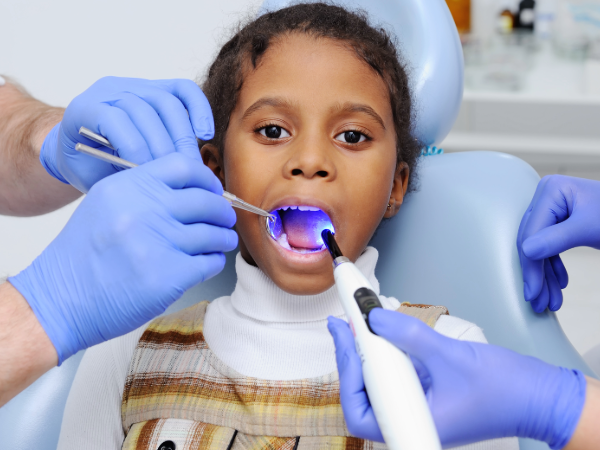
Dental sealants: A simple way to help prevent cavities
Dental Sealants for Children: A Simple Way to Prevent Cavities
Cavities are one of the most common oral health problems in children, but a quick and painless preventive treatment can provide years of protection.
Dental sealants are thin protective coatings placed on the chewing surfaces of the back teeth, where cavities are most likely to develop. By sealing the deep grooves and pits in molars, sealants help keep food particles and bacteria from collecting in areas that can be difficult to clean with brushing alone.
Cecilia Cheon, D.M.D., M.S., a pediatric dentistry expert and director of the UAB Dentistry Pediatric Dentistry clinic, says sealants are one of the most effective tools available for preventing tooth decay.
“Dental sealants are an effective way to protect children's teeth during the years they are most vulnerable to decay,” Dr. Cheon said. “This is a quick and easy preventive measure that can save families time, money, and discomfort in the long run.”
How dental sealants work
The chewing surfaces of molars contain natural grooves and fissures that can trap food and bacteria. Even with good brushing habits, these areas may be difficult to clean thoroughly.
Dental sealants create a protective barrier over these vulnerable surfaces, helping prevent decay before it starts. Sealants are most commonly placed on permanent molars, but some teenagers and adults at higher risk for cavities may also benefit from treatment.
When children should get dental sealants
Children typically receive sealants shortly after their first permanent molars erupt, usually around age 6.
A second application is often recommended when the second set of permanent molars comes in, typically around age 12.
Applying sealants soon after these teeth erupt helps protect them during years when they may be especially susceptible to tooth decay.
What to expect during the procedure
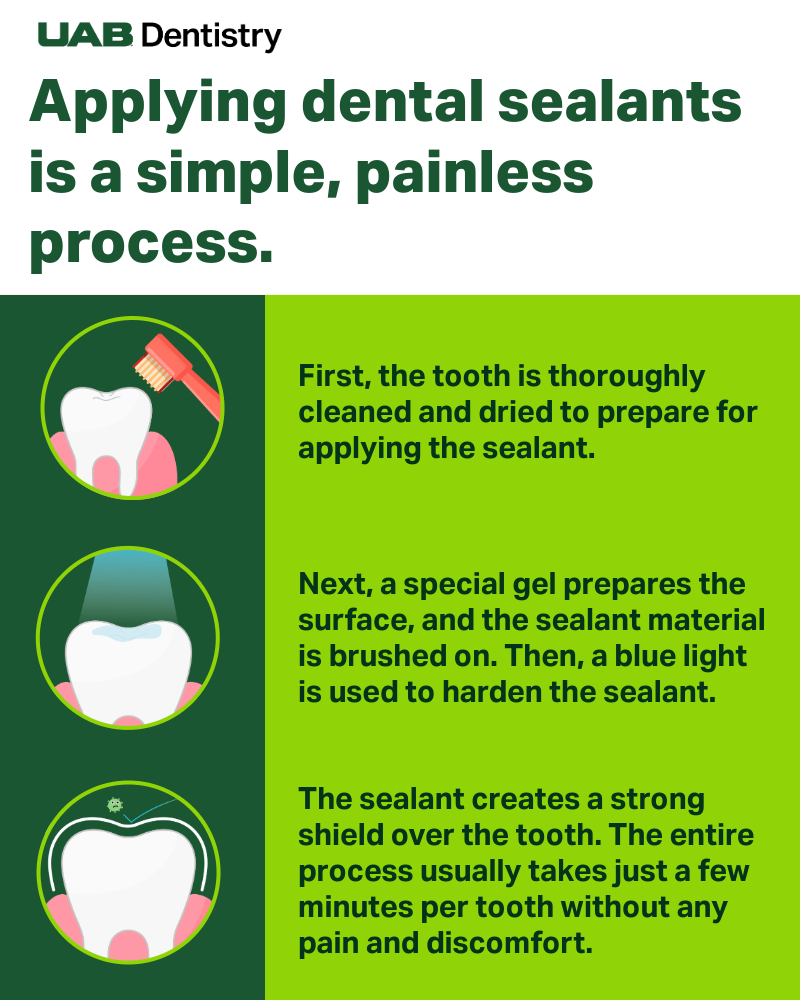 See text alternative for infographic Applying dental sealants is fast, simple, and painless.
After a tooth is cleaned and dried, a special solution is used to prepare the tooth surface. The sealant material is then painted onto the tooth and hardened with a curing light. The process takes only a few minutes per tooth and does not require drilling, injections, or anesthesia.
How effective are dental sealants?
Dental sealants have been shown to significantly reduce the risk of cavities in permanent molars.
With proper care, sealants can remain effective for several years and may last up to nine years. Routine dental visits allow providers to monitor sealants and determine whether repairs or reapplication are needed.
Why regular dental visits still matter
Sealants are an important part of preventive dental care, but they work best when combined with good oral hygiene habits and regular dental checkups.
“Regular dental visits are key not only for monitoring sealants but for maintaining overall oral health,” Dr. Cheon said. “They allow us to catch small problems early before they become bigger issues, and they help reinforce good hygiene habits that protect children's teeth for life."
Routine visits also give dental providers an opportunity to evaluate growing teeth, monitor oral health, and provide guidance tailored to each child's needs.
Understanding insurance coverage
Many dental insurance plans cover sealants for children and teenagers because they are considered a preventive service. Some school-based and community oral health programs also offer sealants at reduced or no cost for eligible families.
Parents should talk with their child's dental provider about whether sealants are appropriate and what coverage options may be available.
Building a foundation for lifelong oral health
Preventing cavities starts with consistent daily habits and regular preventive care.
Brushing twice a day with fluoride toothpaste, limiting sugary snacks and drinks, attending routine dental visits, and considering dental sealants can help protect children's teeth during critical years of development.
Parents are also encouraged to establish a dental home early in life so children can receive ongoing preventive care and build healthy oral hygiene habits that last into adulthood.
About UAB Dentistry Pediatric Dentistry
The UAB Dentistry Pediatric Dentistry provides comprehensive dental care for infants, children, adolescents, and patients with special health care needs. Our team focuses on prevention, education, and creating positive dental experiences that help children develop healthy habits for life.
Book an Appointment: (205) 934-4546
Article Attribution
Written by: Lynne Jarreau
Medically Reviewed by: Kyounga “Cecilia” Cheon, D.M.D., M.S.
More Patient Education
Healthy Teeth for Kids: Oral Health Tips by Age
Why Age 7? UAB Dentistry Experts Explain the Importance of Early Orthodontic Visits

Periodontal disease: Warning signs, health risks, and prevention
Periodontal Disease: Warning Signs, Health Risks, and Prevention
When people think about oral health, they usually focus on their teeth. Far less attention is given to the gums, even though healthy gums play a critical role in supporting healthy teeth and overall wellness.
The challenge is that periodontal disease, commonly known as gum disease, often develops quietly. Unlike many dental problems, it may not cause pain in its early stages, allowing damage to occur before patients realize anything is wrong.
Nico Geurs, D.D.S., M.S., a periodontist and oral health expert with UAB Dentistry, says bleeding gums are one of the earliest warning signs people should never ignore.
“Gum disease or periodontal disease tends to not be associated with overt signs that are alarming to the patient,” Dr. Geurs said. “Pain is not associated with periodontal disease, and the signs that it does have are often minimized.”
Common signs and symptoms of gum disease
Many patients assume occasional bleeding while brushing or flossing is normal. It is not.
“If your gums bleed when you brush, that is a sign of an inflammatory disease around your teeth that needs to be evaluated and possibly treated,” Dr. Geurs said.
Other signs of periodontal disease can include:
- Bleeding gums
- Gum recession
- Persistent bad breath
- Loose teeth
- Sensitive teeth
- Deep pockets around teeth
Because these symptoms often develop gradually, patients may overlook them until the disease has progressed.
How periodontal disease can lead to tooth loss
Periodontal disease affects more than the gum tissue surrounding the teeth.
As inflammation progresses, it can destroy the bone and supporting structures that hold teeth in place. Deep pockets begin to form around the teeth, creating an environment where harmful bacteria can thrive.
“It’s important just from the perspective of keeping the tooth,” Dr. Geurs said.
Without treatment, periodontal disease remains one of the leading causes of tooth loss in adults.
The connection between gum disease and overall health
Researchers have identified associations between periodontal disease and several systemic health conditions. While these relationships continue to be studied, evidence suggests that oral inflammatory burden and oral microbial burden may influence overall health.
“There are correlations between oral inflammatory burden and oral microbial burden with an established impact on the progression of cardiovascular disease,” Dr. Geurs said.
This growing body of research reinforces the importance of maintaining healthy gums as part of a comprehensive approach to health.
Gum disease during pregnancy
Oral health is especially important during pregnancy.
Geurs notes that studies have shown women with periodontitis face a significantly increased risk of preterm birth.
“It was established that if you have periodontitis during pregnancy, your odds for delivering preterm goes up,” he said.
His research has also examined oral health disparities in underserved communities, where access to professional dental care during pregnancy may be limited.
“We found that it’s feasible to improve oral health if the patient just knows they have to do this and are given the tools so they can learn to do it,” Dr. Geurs said.
These findings underscore the importance of education, preventive care, and regular dental visits during pregnancy.
The best ways to prevent periodontal disease
Despite advances in dental technology and treatment, the most effective prevention strategy remains remarkably simple.
“The basic treatment is for patients to keep their teeth plaque-free, and that’s done at your home,” Dr. Geurs said.
Daily brushing and cleaning between the teeth help remove the bacterial plaque that contributes to inflammation and gum disease.
Routine dental visits allow providers to identify problems early and recommend treatment before significant damage occurs.
Why daily oral hygiene matters
Patients often hope there is a mouth rinse, medication, or quick solution that can replace daily oral hygiene.
Dr. Geurs says that solution does not currently exist.
“There’s really no alternative to good oral hygiene at this point,” he said.
Dental professionals can diagnose disease, provide treatment, and recommend strategies for success, but long-term gum health depends largely on daily habits at home.
“We’re merely there to understand the issues, and guide and help them,” Dr. Geurs said. “But if they don’t treat it, then our efforts are going to almost be in vain.”
How dental visits support overall health
Modern dentistry increasingly considers the relationship between oral health and overall health.
During routine dental visits, providers may identify signs and symptoms that warrant further medical evaluation. Dental teams can also work alongside physicians and other health care providers to support a patient's overall well-being.
“We’re trying to be a partner with patients not just in their oral health, but also to look at the aspects that intersect between oral health and overall health,” Dr. Geurs said.
Because many patients visit their dentist more frequently than their physician, dental appointments provide valuable opportunities for early detection.
“The mouth is often a mirror for the rest of the body to help screen for diseases that patients may not know they have,” he said.
Protect your gums for lifelong oral health
Gum disease is one of the most common oral health conditions, yet it often develops without obvious symptoms. Bleeding gums, gum recession, persistent bad breath, and loose teeth should never be ignored.
The best defense against periodontal disease remains simple: brush twice daily, clean between your teeth every day, and schedule regular dental checkups. These habits can help protect your gums, preserve your teeth, and support your overall health for years to come.
About UAB Dentistry Periodontics
UAB Dentistry Periodontics provides specialized care for gum disease, gum recession, dental implants, and other conditions affecting the gums and supporting structures of the teeth. Located in Birmingham's UAB Medical District, our periodontists use advanced imaging and treatment planning technology to deliver high quality, personalized care. Call to schedule a consultation or learn more about protecting your oral health.
Book an Appointment: (205) 934-4551
Article Attribution
Medically Reviewed by: Mia Geisinger, D.D.S., M.S.
More Patient Education
Diabetes and Gum Disease: How Oral Health Affects Blood Sugar
Can You Skip the Dentist? Why Regular Dental Checkups Matter
Tooth Decay and Cavities: Symptoms, Treatment, and Prevention
Diabetes and gum disease: Understanding the connection
Diabetes and Gum Disease: How Oral Health Affects Blood Sugar
If you have diabetes, managing your blood sugar is an important part of protecting your overall health. What many people do not realize is that gum disease is one of the most common and preventable complications associated with diabetes.
The relationship works both ways. Diabetes can increase the risk of gum disease, and untreated gum disease can make it more difficult to control blood sugar levels.
High blood glucose levels can contribute to inflammation throughout the body and reduce the body's ability to fight infection, including infections affecting the gums and supporting bone around the teeth. Elevated glucose levels in saliva can also create an environment that encourages bacterial growth and plaque buildup, increasing the risk of periodontal disease.
Mia Geisinger, D.D.S., M.S., a periodontist and nationally known oral health expert says understanding this connection is an important step toward preventing serious oral and overall health complications.
How diabetes affects gum health
People with diabetes face a higher risk of developing gum disease because of increased inflammation and changes in the body's response to infection.
"Early symptoms of gum disease include swollen or bleeding gums, loose teeth, persistent bad breath, and receding gum lines," said Dr. Geisinger. "When left untreated, it can progress to periodontitis, a severe infection that damages the bone and tissue holding your teeth in place, which can ultimately lead to tooth loss."
Over time, periodontal disease can affect both oral health and quality of life, making prevention and early treatment especially important for patients living with diabetes.
How gum disease affects diabetes
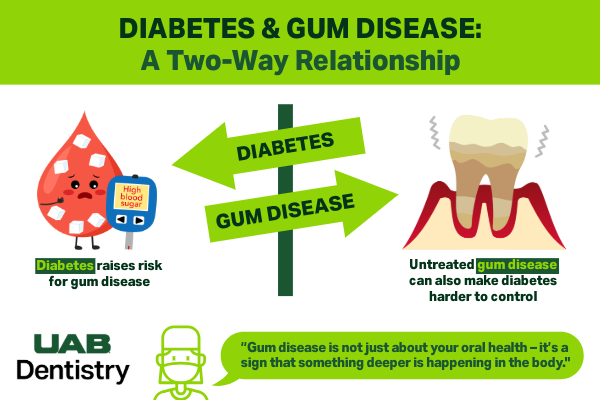 See text alternative for infographic The connection between diabetes and gum disease is not one sided.
Inflammation and infection caused by untreated gum disease can make it more difficult for patients to manage blood sugar levels effectively. This ongoing inflammatory response can contribute to challenges in diabetes management and overall health.
Dr. Geisinger encourages patients to view oral health as an important component of diabetes care.
"Gum disease is not just about your oral health. It's a sign that something deeper is happening in the body," said Dr. Geisinger. "We often see that once we address inflammation and infection in the mouth, patients also experience better blood sugar control."
The importance of preventive care for patients with diabetes
At the UAB Dentistry Periodontics clinic, providers work closely with patients to identify risk factors early and develop personalized treatment strategies.
Patients with diabetes may benefit from comprehensive periodontal evaluations, deep cleanings, risk assessments, and customized home care recommendations. Advanced diagnostic tools, including digital imaging technologies, can help detect problems before they become more severe.
These preventive approaches support both oral and systemic health and help patients stay ahead of potential complications.
Diabetes management and protecting your oral health
Dr. Geisinger says prevention remains the most effective tool for reducing the risk of gum disease.
"Preventive care is the most powerful tool we have," said Dr. Geisinger. "That includes brushing twice a day, cleaning between your teeth daily, and attending routine dental checkups. Patients should also let their dentist know if they've been diagnosed with diabetes, have risk factors for diabetes, or have noticed any symptoms such as dry mouth or mouth sores."
Good daily oral hygiene, regular dental visits, and early treatment of periodontal disease can play an important role in protecting both oral health and diabetes management.
Diabetes and periodontal care
If you are living with diabetes, regular periodontal evaluations can help identify signs of gum disease before they become serious.
Taking care of your gums is an important part of taking care of your overall health. Understanding the connection between diabetes and gum disease can help you protect your smile and support better long-term health outcomes.
About UAB Dentistry Periodontics
UAB Dentistry Periodontics provides specialized care for gum disease, gum recession, dental implants, and other conditions affecting the gums and supporting structures of the teeth. Located in Birmingham's UAB Medical District, our periodontists use advanced imaging and treatment planning technology to deliver high quality, personalized care. Call to schedule a consultation or learn more about protecting your oral health.
Book an Appointment: (205) 934-4551
Article Attribution
Written by: Edlyn Olmos
Medically Reviewed by: Mia Geisinger, D.D.S., M.S.
More Patient Education
Periodontal Disease: Warning Signs, Health Risks, and Prevention
Can You Skip the Dentist? Why Regular Dental Checkups Matter
Tooth Decay and Cavities: Symptoms, Treatment, and Prevention

Sippy cups, snacks, and cavities: How to protect your child's teeth
Sippy Cups, Snacks, and Cavities: What Parents Need to Know
 Even healthy routines can lead to dental problems if they are not used the right way.
Dr. Cecilia Cheon, a pediatric dentistry specialist and director of UAB Dentistry Pediatric Dentistry, says small changes in everyday habits can help prevent cavities and support healthy teeth in infants, toddlers, and preschoolers.
Everyday habits that can impact your child's oral health
That sippy cup you give your toddler to keep them occupied or the quick snack you offer between meals may seem harmless. However, frequent exposure to sugary drinks and snacks can increase the risk of cavities in young children.
“Many parents think that baby teeth aren’t important because they’ll fall out anyway,” says Dr. Cheon. “But baby teeth help children speak clearly, chew properly, and guide adult teeth into place. How we care for them early on really matters.”
When should children stop using sippy cups?
Sippy cups can help children transition from bottles to regular cups, usually beginning around 6 months of age. However, introducing an open cup between 12 and 18 months is recommended.
Continuing to use sippy cups beyond age 2 may delay drinking skills and increase the risk of tooth decay, particularly if children carry them throughout the day with sweetened beverages.
How sippy cups contribute to tooth decay
Constant sipping, especially on milk, juice, or sweet drinks, keeps sugars on the teeth for extended periods.
This allows cavity-causing bacteria to produce acid throughout the day, increasing the risk of enamel damage and tooth decay.
Best and worst drinks for young teeth
Juice, flavored milk, and sweetened beverages can increase the risk of cavities, even when labeled as natural or 100 percent fruit juice.
Milk also contains natural sugars. Water is the best choice between meals. Milk and juice should be reserved for mealtimes and offered in moderation.
Understanding early childhood caries
Early childhood caries (ECC), often referred to as baby bottle tooth decay, is a serious form of tooth decay that affects infants and young children.
It commonly develops when teeth are repeatedly exposed to sugary liquids, especially when children fall asleep with bottles or sip from cups throughout the day.
Avoid offering anything other than water at bedtime or between meals to help reduce cavity risk.
Why frequent snacking matters
Each time a child eats, bacteria in the mouth produce acids that temporarily weaken tooth enamel.
Frequent snacking creates repeated acid attacks throughout the day and gives teeth less time to recover. Offering structured meals and snacks with breaks in between can help protect enamel.
Snacks that are more likely to cause cavities
Sticky foods such as gummy fruit snacks, crackers, granola bars, and dried fruit tend to stay on teeth longer and are harder to remove.
These foods can break down into sugars that feed cavity-causing bacteria. Drinking water afterward and brushing when possible can help reduce their impact.
Simple ways to prevent cavities
Dr. Cheon recommends the following habits to help protect young teeth:
- Offer only water between meals, especially in sippy cups.
- Serve milk or juice during mealtimes only.
- Transition to an open cup by 12 to 18 months of age.
- Brush twice daily using a smear of fluoride toothpaste for children younger than 3 and a pea-sized amount for children 3 and older.
- Schedule a dental visit by your child's first birthday.
Transitioning to an open cup
Start with short practice sessions while your child is seated. Use a small amount of liquid to minimize spills and praise their efforts. Many families also find success using trainer cups with an open-style rim rather than a traditional spout.
A final reminder for parents
Consistency matters most.
Dr. Cheon says, “Offer water often, limit sugary snacks and drinks, and make brushing a daily habit. These small daily habits will protect your child’s smile for years to come.”
Build healthy habits from the start
Protecting your child's teeth does not require a complete overhaul of your routine. Small daily changes can make a significant difference.
Limiting sugary drinks, reducing frequent snacking, encouraging open cup use, brushing twice a day with fluoride toothpaste, and scheduling regular dental visits can help prevent cavities and support healthy smiles as children grow.
About UAB Dentistry Pediatric Dentistry
The UAB Dentistry Pediatric Dentistry provides comprehensive dental care for infants, children, adolescents, and patients with special health care needs. Our team focuses on prevention, education, and creating positive dental experiences that help children develop healthy habits for life.
Book an Appointment: (205) 934-4546
Article Attribution
Written by: Edlyn Olmos
Medically Reviewed by: Kyounga “Cecilia” Cheon, D.M.D., M.S.
More Patient Education
Healthy Teeth for Kids: Oral Health Tips by Age
Why Age 7? UAB Dentistry Experts Explain the Importance of Early Orthodontic Visits
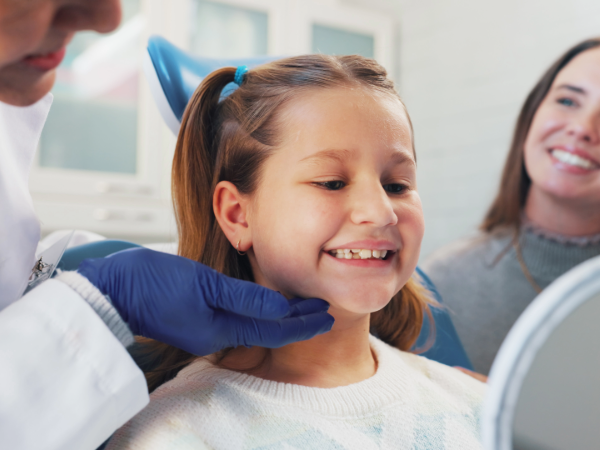
Back-to-School Dental Health Checklist: Healthy Smile Tips for Kids
As families prepare for a new school year, they're busy shopping for school supplies, organizing schedules, and checking off annual physicals. One important item that's sometimes overlooked is oral health. A dental checkup before school starts is an excellent opportunity to make sure your child's smile is healthy and reinforce habits that support oral health throughout the school year.
A visit before school begins does more than check for cavities. It gives parents an opportunity to address small concerns before they become bigger problems, reestablish healthy routines after summer break, and help children begin the school year with a healthy smile.
Cecilia Cheon, a pediatric dentistry specialist at UAB Dentistry, says back-to-school season is one of the best times to refocus on children's oral health.
"The start of a new school year is a natural time for families to reset healthy habits. A dental visit before school begins allows us to identify concerns early, reinforce good oral hygiene, and help children start the school year comfortable, confident, and ready to learn."
Why schedule a dental checkup before school starts?
Regular dental visits help prevent cavities, identify concerns early, monitor growth and development, evaluate orthodontic needs, and reinforce healthy habits before they become difficult to change.
Preventive visits also establish a baseline for your child's oral health, making it easier to monitor changes as they grow.
Back-to-School Smile Checklist
Before the first day of school:- Schedule a dental checkup
- Replace worn toothbrushes
- Brush twice daily with fluoride toothpaste
- Floss everyday
- Pack a refillable water bottle
- Choose tooth-friendly snacks
- Wear a mouthguard for sports
- Know what to do if a tooth is injured
Rebuilding healthy habits after summer
Summer often brings later bedtimes, vacations, and changes to daily routines. As children prepare to head back to school, it's also a great time to reestablish healthy sleep and oral hygiene habits.
Brushing twice a day with fluoride toothpaste, flossing daily, and drinking plenty of water all help protect growing smiles throughout the school year.
"Consistency is one of the most important parts of maintaining good oral health,” says Cheon. “Returning to a regular routine before school starts helps children build habits that can last well beyond the first day of class."
Smart choices at school can protect growing smiles
Healthy lunches benefit more than a child's overall nutrition—they also support good oral health.
Packing water, fresh fruits, crunchy vegetables, cheese, yogurt, and lean proteins while limiting sticky snacks and sugary beverages can help reduce cavity risk and support healthy growth.
Children participating in organized or recreational sports should wear a properly fitted mouthguard to help prevent dental injuries.
Don't ignore the warning signs
Parents should schedule a dental appointment sooner if they notice:
- Tooth pain or sensitivity
- Bleeding gums
- Persistent bad breath
- Difficulty chewing
- White or brown spots on teeth
- Swelling around the gums or teeth
"Children do not always recognize when something feels abnormal, and they may not tell a parent if they are experiencing discomfort,” says Cheon. “Regular dental visits and paying attention to small changes can help us identify concerns before they begin affecting eating, sleeping, or learning."
A healthy school year starts with a healthy smile
A new backpack, fresh school supplies, and updated schedules help prepare children for a successful school year—but so does good oral health.
By scheduling a dental checkup, encouraging healthy daily habits, and addressing concerns early, parents can help set their children up for a confident, healthy start to the school year.
During the visit, your dentist can also determine whether your child would benefit from dental sealants, which help protect the chewing surfaces of permanent molars from cavities.
About UAB Dentistry Pediatric Dentistry
The UAB Dentistry Pediatric Dentistry provides comprehensive dental care for infants, children, adolescents, and patients with special health care needs. Our team focuses on prevention, education, and creating positive dental experiences that help children develop healthy habits for life.
Book an Appointment: (205) 934-4546
Article Attribution
Written by: Edlyn Olmos
Medically Reviewed by: Kyounga “Cecilia” Cheon, D.M.D., M.S.
More Patient Education
Healthy Teeth for Kids: Oral Health Tips by Age
Why Age 7? UAB Dentistry Experts Explain the Importance of Early Orthodontic Visits

Oral cancer: Warning signs, risk factors, and how to protect yourself
Oral Cancer: Warning Signs, Risk Factors, and Early Detection
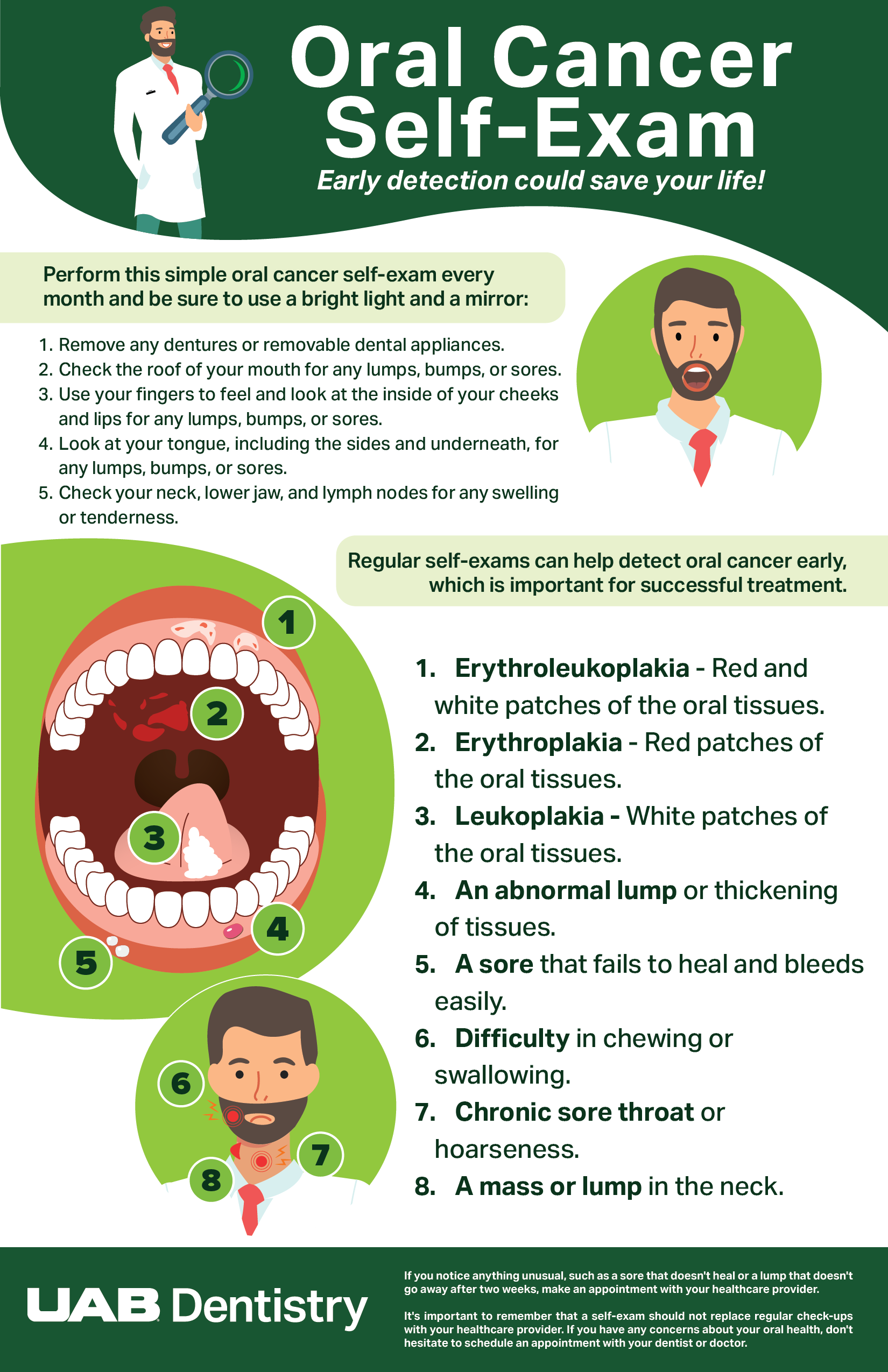 See text alternative for infographic Oral cavity and oropharyngeal cancer are among the most preventable and treatable forms of cancer when detected early. Regular screenings, awareness of symptoms, and healthy lifestyle choices can play an important role in early diagnosis and improved outcomes.
Anthony Morlandt, D.D.S., M.D., F.A.C.S., a head and neck surgeon and oral cancer expert with UAB Dentistry, says early detection remains one of the most powerful tools for fighting this disease.
“Most often oral cancer develops in the surface tissue of the mouth and if undetected, it can begin penetrating deeper. That’s what makes early detection so important.” - Anthony Morlandt, D.D.S., M.D., F.A.C.S.
What is oral cancer?
Oral cancer develops in the mouth, while oropharyngeal cancer affects structures farther back in the throat. Oral cancer can occur on the lips, tongue, gums, inner cheeks, and roof of the mouth. Oropharyngeal cancer commonly affects the throat, tonsils, and base of the tongue.
“Most often oral cancer develops in the surface tissue of the mouth and if undetected, it can begin penetrating deeper,” Morlandt said. “That’s what makes early detection so important.”
These cancers can occur in people of all ages, although risk increases with age and an increasing number of younger adults are being diagnosed. Because symptoms can be subtle in the early stages, regular dental and medical examinations play an important role in detection and diagnosis.
Oral cancer risk factors
There is no single cause of oral cancer, but several factors can increase a person's risk.
“There is no single cause for oral and oropharyngeal cancer, but certain factors can put you at increased risk,” Morlandt said.
Common risk factors include tobacco use, including smoking and chewing tobacco, excessive alcohol consumption, prolonged sun or ultraviolet (UV) light exposure, particularly to the lips, and poor nutrition. Human papillomavirus (HPV) infection is now recognized as a significant contributor to oropharyngeal cancers, making vaccination an important prevention strategy.
Signs and symptoms of oral cancer
Recognizing symptoms early can improve treatment outcomes. Warning signs may include:
- A sore that does not heal
- Red or white patches in the mouth
- Unusual lumps or thickened tissue
- Bleeding sores
- Difficulty chewing, speaking, or swallowing
- Persistent sore throat
- Hoarseness
- Ear pain
- Swollen lymph nodes in the neck
“You could have a hoarse voice, ear pain, or a sore throat that doesn’t quit,” Morlandt said. “This cancer can also present as white or red patches that won’t go away or a sore that bleeds and will not heal.”
“If you notice something lingers more than a couple of weeks, you should get screened right away,” he said.
How to help prevent oral cancer
While not every case can be prevented, several steps can reduce risk.
Avoid tobacco products, including cigarettes and chewing tobacco. Limit alcohol consumption, protect your lips and skin from excessive sun exposure, and maintain a healthy diet.
Vaccination against HPV is also an important preventive measure. Studies have shown that reducing HPV infection can help lower the risk of certain HPV-related cancers.
Why oral cancer screenings matter
Oral cancer screenings are a simple but important part of preventive health care. Patients should contact a health care provider if they develop symptoms such as persistent hoarseness, difficulty swallowing, unexplained weight loss, ear pain, or swollen lymph nodes.
“Your dentist also plays an important role in detection since every dental appointment presents an opportunity to be screened,” Morlandt said.
In addition to regular dental visits, monthly self-examinations can help people become familiar with their mouths and identify changes that warrant professional evaluation. Look for unusual sores, swelling, red patches, white patches, or other changes that do not resolve normally.
Specialized oral cancer care at UAB
UAB provides specialized care for patients diagnosed with oral cancer and other head and neck conditions.
A multidisciplinary UAB Medicine and UAB Dentistry team includes surgeons, prosthodontists, physician assistants, nurse coordinators, and other specialists who work together to coordinate care and support patients throughout treatment. Advanced technologies, including 3D surgical planning and navigation, help support precise surgical treatment and reconstruction when needed.
Early detection can save lives
Like many forms of cancer, oral cancer is most treatable when diagnosed early. Paying attention to symptoms, attending regular dental and medical appointments, and reducing known risk factors can help protect both your oral health and your overall well-being.
If you notice a sore, lump, red or white patch, or another unusual change that does not go away, do not wait. Early evaluation may make all the difference.
About Anthony Morlandt
Anthony Morlandt, D.D.S., M.D., F.A.C.S., is a head and neck surgeon who specializes in the treatment of oral cancer, head and neck tumors, microvascular reconstruction, and complex oral and facial conditions. He is part of a multidisciplinary head and neck cancer team and works closely with specialists across UAB to provide comprehensive cancer care.
Article Attributes
Written by: Lynne Jarreau
Medically Reviewed by: Anthony Morlandt, D.D.S., M.D., F.A.C.S.

Cleft lip and palate: causes, treatment, and recovery
Cleft lip and palate are among the most common craniofacial birth differences, affecting about 6,000 to 8,000 babies in the United States each year. Chung H. Kau, BDS, MScD, Ph.D., of UAB Dentistry Orthodontics works with more than 100 of these infants annually through the Cleft and Craniofacial Center at Children’s of Alabama. The center has introduced newer appliances that can reduce the number of clinic visits by half.
Cleft lip and cleft palate defects
Cleft diagnosis begins in utero, Kau explains. You can look at a prenatal diagnosis and see the cleft lip on an ultrasound. The cleft of the lip forms during the early trimester. It can be caused by various factors: genetics, alcohol, smoking, or medications.
“Basically, the embryological parts of the midface don’t really come together,” Kau said. It’s part of the formation of the face, and some kind of disruption happens that stops the lip and palate from forming.
It can happen just in the lip, it can happen on one side or both sides, and it can happen right through the gums and affect the back side of the soft palate. When you look down the cleft, you’ll see right to the base of the nose.
“This causes multiple problems,” Kau said. Babies can’t put their lips together, so they have feeding problems. Milk comes out through their nose. They’re very uncomfortable.
Treatment of cleft lip and palate
“The first thing we do is try to bring the cleft closer together,” Kau said. Most cleft lips are repaired at about four months, the soft palate at twelve months, and then nothing else happens in terms of orthodontics until about seven or eight years of age. They have to go through speech therapy, dental care, and some revisions to the lip.
“My job is to maximize the care during the first four months of their life,” he said.
Early treatment focuses on bringing the cleft closer together so the surgeon can more easily repair the lip and shape the nose. One of the simplest approaches is placing surgical tape across the cleft site. After a period of time, the cleft is reduced, and the tissues are brought into closer alignment.
In lay terms, that essentially means the tissues are “touching” one another, Kau noted.
Each child begins with a taping process to bring the tissues close together. If this process is tolerated well by the baby and the parents, treatment progresses to a feeding plate with nasal support. This technique is called the nasal alveolar molding (NAM) plate. It has the advantage of approximating the gums, lips, and nose to a more natural position.
In circumstances where the cleft is on two sides, or bilateral, the taping and plate significantly bring the front portions of the lip and nose down and lengthen it. As a result, the surgeon does not have to locate additional tissue to bring the lips together during repair. All these surgical improvements are performed by plastic surgeon John Grant, who is an experienced surgeon with excellent outcomes.
Care during infancy
As soon as the parents present in the clinic with their baby, Kau encourages them to immediately start the process of taping the lip. This brings all the soft tissues really close together.
“The way I describe it to them is that you have an opportunity to get on a bus to go to a destination, which you will reach in about four months,” Kau said. “You have the right to get off at any time. But if you miss the bus, you’ll miss the opportunity.”
As mentioned, if the taping process goes well, we proceed with the NAM plate.
Care after the first year
Orthodontists provide care during infancy, then again between about ages seven and eleven. The cleft may be repaired, but the bony structures of the teeth and surrounding areas are not.
As clinicians, the bony components of the gums are not repaired in infancy because facial growth must continue, and early repair can restrict that development, Kau said.
The team works with UAB Dentistry maxillofacial surgeon Kathlyn Powell, who performs the repair. She takes bone from the child’s hip and places it in the cleft site before closing it. Orthodontic care then focuses on aligning the teeth to support proper eruption.
In some circumstances, a rigid external device (RED) is used, which acts as an anchor at the front of the face while the mid-face is gradually moved forward. After surgery, healing begins, and the mid-face is advanced about a millimeter a day. Once the bite is positive and changes in facial structure are visible, the procedure is considered successful. The child looks more like their peers at school.
Care team and patient experience
The team sees about 60 to 80 cleft lip and palate births at Children’s Hospital each year, along with another 60 to 80 adoptions from other countries, which they help support, Kau said. Care continues in multiple ways each year of a patient’s life, from infancy through about age 20.
As an orthodontist and dentist, Kau says his role is to first give patients the function to eat and then to help build confidence in their smile. It comes down to function, aesthetics, and confidence.
The role of appearance and confidence
A lot of how a person develops begins in the formative years when they first go to school, Kau explained. From about ages seven to eleven, many social factors come into play, and much of how people are perceived is based on the face and lower portion of the face. It plays a significant role.
For these patients, the changes in facial structure can shift how they see themselves and how others respond to them. They may change their hairstyle or begin using makeup as they grow.
“Really, we get to change lives, and that’s very, very rewarding,” Kau said. “I’m an orthodontist. My job is to make teeth straight and create smiles. But this aspect of clinical care is the part where orthodontics truly becomes medicine.
The cleft team at Children’s Hospital of Alabama is made up of:
Plastic Surgeon: Dr John Grant and Dr Rene Myers, UAB School of Medicine
Pediatrician: Dr Cassie Smola, UAB School of Medicine
Genetics: Dr Nat Robin, UAB School of Medicine
Oral and Maxillofacial Surgeon: Dr Katie Powell, UAB School of Dentistry
Orthodontist: Dr Chung How Kau, UAB School of Dentistry
With the support of so many others including speech and language pathologists, genetic counselors, and nursing support
About the UAB Dentistry Orthodontics Clinic
Located in the heart of the UAB Medical District in Birmingham, Alabama, UAB Dentistry Orthodontics combines world-class clinical expertise with advanced technology to make high-quality orthodontic care affordable for families. As a premier clinical enterprise, our team consists of licensed dentists completing advanced, multi-year specialty residency training under the direct supervision of board-certified clinical faculty orthodontists. The clinic offers personalized orthodontic solutions, including traditional braces and clear aligner therapies, for patients of all ages.
Visit UAB Dentistry Orthodontics
Book an Appointment: (205) 934-4536
Article Attribution
Written by: Lynne Jarreau

Electric or manual toothbrush: Which is right for you?
 Choosing the right toothbrush may seem simple, but when it comes to maintaining good oral health, the choice between electric and manual toothbrushes can make a difference.
Amy Cooper, RDH, a dental hygienist at UAB Dentistry Dothan, notes that the American Dental Association (ADA) endorses both electric and manual toothbrushes for plaque removal. She emphasizes that the most important factor is not just the tool you use, but how you use it.
What matters most: How you brush
“The best toothbrush is the one you use consistently and accurately,” Cooper said. “Electric toothbrushes can offer some advantages for certain people.”
"The best toothbrush is the one you use consistently and accurately." — Amy Cooper, RDH
Electric toothbrushes can be especially helpful for people with limited manual dexterity, such as young children or older adults, as well as patients who tend to brush too hard and risk enamel damage. Many electric toothbrushes include timers, pressure sensors, and multiple cleaning modes, which can support a more thorough clean.
“For people who brush quickly or miss spots, the technology of today’s electric toothbrushes can help improve overall oral health,” Cooper points out.
Why manual toothbrushes still work
Manual toothbrushes, however, remain an effective and reliable option. They are affordable, easy to travel with, and do not require charging.
“With good technique, brushing for two full minutes and reaching all areas of the mouth, a manual toothbrush can be just as effective as an electric one,” she said.
Good brushing habits matter most
Regardless of which type of toothbrush you choose, Cooper recommends brushing at least twice a day for two minutes each time. She also advises using a soft-bristled brush to protect gums and replacing your toothbrush or electric brush head every three to four months. Daily flossing is also essential for maintaining oral health.
“A lot of people are surprised to hear that technique is more important than the brush itself,” Cooper shared. “Taking your time, using gentle pressure, and covering every tooth makes the real difference.”
Choosing what works for you
Electric toothbrushes can also be beneficial for people with braces or other dental appliances, as they can help clean around brackets and wires more effectively. Ultimately, the best choice comes down to personal preference and what helps you maintain consistent, effective brushing habits.
Whether you use an electric or manual toothbrush, good oral hygiene practice is key to a healthy smile.
About UAB Dentistry Dothan
Located in Dothan, Alabama, UAB Dentistry Dothan provides preventive and comprehensive dental care for patients of all ages. Services focus on routine care, early detection, and treatment that supports long-term oral health in a convenient, community-based setting.
Book an appointment: (334) 305-3290
Article Attribution
Written by: Lynne Jarreau

How to keep your child’s smile healthy this summer

Why Age 7? UAB Dentistry Experts Explain the Importance of Early Orthodontic Visits

Orthodontics for Adults: Why It’s Never Too Late to Straighten Your Smile

Oral health after 60: What older adults should know
Oral health after 60: Common dental concerns for older adults
 As people age, their oral health needs often change, making preventive dental care and routine dental visits especially important after age 60. Many older adults experience concerns such as dry mouth, gum disease, tooth loss, or denture-related issues, but these conditions can often be prevented or managed with the right care.
To better understand common dental concerns for older adults, warning signs to watch for, and ways to maintain oral health with age, we spoke with Nathan Smith, D.M.D., M.P.H., a UAB Dentistry clinical expert with an interest in oral health and aging.
Certain oral health conditions become more common with age
Several conditions become more common with age, including cavities, gum disease, tooth loss, dry mouth, and tooth wear.
“These conditions are common, but they aren’t inevitable,” Dr. Smith said. “With early intervention and preventive care, many of them can be managed effectively.”
Medications and chronic health conditions can affect oral health
Age-related factors can significantly influence oral health, particularly through dry mouth, also known as xerostomia. This condition is often linked to medications or systemic health issues.
“Xerostomia can lead to pain, discomfort, and an increased risk for dental caries,” Dr. Smith explained. “In severe cases, it can make eating and swallowing difficult, which may ultimately contribute to malnutrition.”
Physical limitations can also affect daily oral hygiene.
“Conditions like arthritis can limit hand strength and dexterity, making brushing and flossing more challenging,” he added.
Pain, discomfort, and dry mouth should not be ignored
Dr. Smith encourages patients to pay attention to pain, persistent discomfort, or dryness that interferes with eating or swallowing.
“These signs shouldn’t be ignored,” he said. “They often indicate a condition that needs professional evaluation.”
Prevention becomes increasingly important after age 60
Preventive dental care remains essential throughout life, but it becomes even more important as we age. Dr. Smith highlights fluoride use, daily oral hygiene, and regular dental visits as key strategies.
“Routine visits allow us to identify problems early, when treatment is often simpler and outcomes are better,” he said. [
Certain symptoms warrant prompt evaluation
Patients should schedule a dental evaluation if they experience pain when biting or chewing, unexplained oral pain, or noticeable changes in the color or texture of the lips, tongue, or tissue inside the mouth.
“These changes can signal underlying conditions that are best treated early,” Dr. Smith said.
Losing your teeth does not eliminate the need for dental care
Dr. Smith often hears patients say they no longer need dental visits if they have lost their natural teeth.
“That’s not true,” he said. “Even without teeth, regular visits are important to check oral tissues, ensure dentures fit properly, and screen for disease.”
Adaptive tools can make oral hygiene easier
Dr. Smith recommends adaptive tools such as electric toothbrushes, flossing aids, and interdental cleaners.
“Simple modifications can also help,” he said. “Items like bicycle handles, pool noodle floats, or even aluminum foil can improve grip and make brushing easier.”
Managing dry mouth requires both symptom relief and prevention
Managing dry mouth should focus on symptom relief and prevention. Dr. Smith recommends maintaining proper hydration, avoiding alcohol and tobacco, and discussing appropriate over-the-counter mouth rinses, gels, sugar-free gum, or lozenges with a dental provider.
Proper denture care helps prevent complications
Dr. Smith uses a simple analogy to help patients remember proper denture care.
“Ask yourself if you would sleep with your shoes on,” he said. “Leaving dentures in overnight can lead to infection and discomfort.”
He also advises cleaning dentures daily with a soft-bristle denture brush and soaking them overnight in water with a denture cleaning tablet. Bleach should never be used, as it can damage the prosthesis.
A few simple habits can help protect oral health
Dr. Smith points to a few essential habits:
- Maintain regular dental visits, even if you no longer have natural teeth.
- Brush twice a day for two minutes.
- Floss daily.
- Stay hydrated and maintain a balanced diet.
Together, these habits support comfort, function, and quality of life and play an important role in healthy aging.
Dental care for older adults at UAB Dentistry
Whether you are seeking preventive dental care, treatment for dry mouth, denture care, or help managing other oral health concerns, UAB Dentistry providers are committed to delivering patient-centered care at every stage of life.
Campus clinics
UAB Dentistry's campus clinics provide comprehensive dental care for older adults, including preventive services, restorative treatment, dentures, and specialty care. Learn more about our clinic options at https://www.uab.edu/dentistry/home/patients/our-clinics/all-clinics or call (205) 934-2700.
Fair Haven Oral Health Center
Patients may also receive care at the Fair Haven Oral Health Center, a community-based clinic located at 1424 Montclair Road in Birmingham. To schedule an appointment, call (205) 951-1473.
Article Attribution
Written by: Edlyn Olmos
Medically Reviewed by: Nathan Smith, D.M.D., M.P.H.
Dental insurance decoded: Tips for making the most of your benefits
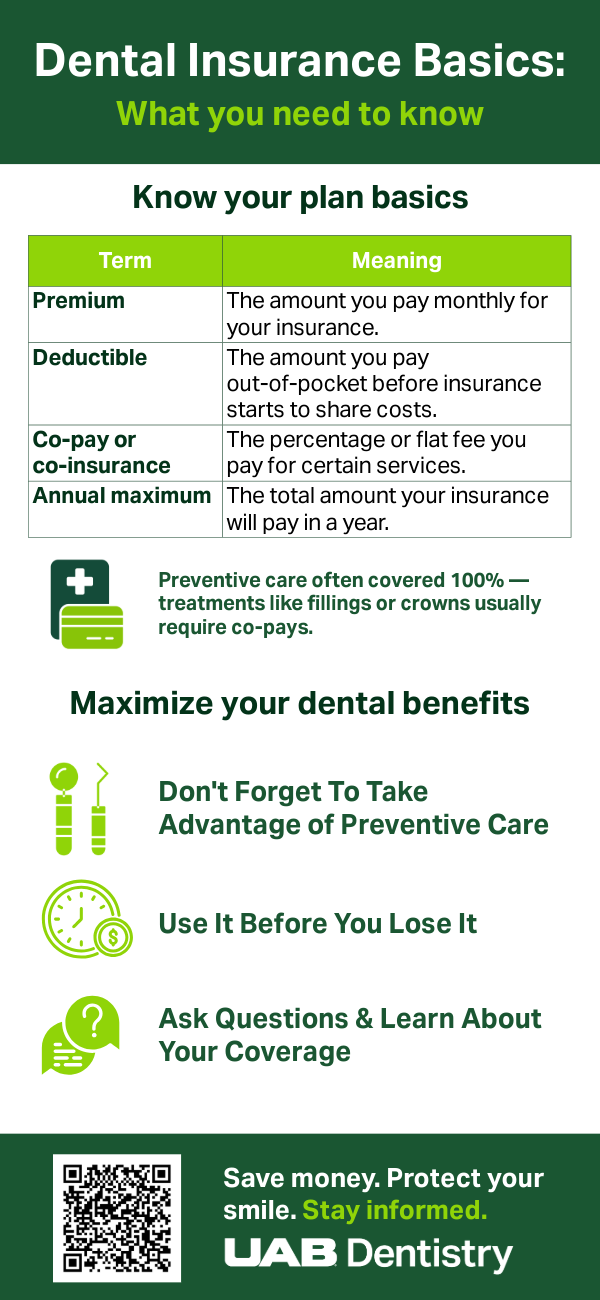 Understanding dental insurance can feel overwhelming — but knowing how to use your benefits wisely can help you save money and keep your smile healthy. Jacquiselyn Story, director of the UAB Dentistry Business Office, shares key insights to help patients navigate their dental insurance benefits and avoid unexpected costs.
"Dental insurance coverage is great for maintaining good oral health, but it’s important to know what your plan covers and what it doesn’t," said Story. "Being proactive can make a big difference in your dental care and your wallet."
Know your dental insurance plan basics
First, it’s important to understand a few key terms commonly found in dental insurance plans:
- Premium: The amount you pay monthly for your insurance.
- Deductible: The amount you pay out-of-pocket before insurance starts to share costs.
- Co-pay or co-insurance: The percentage or flat fee you pay for certain services.
- Annual maximum: The total amount your insurance will pay in a year.
"Many dental plans cover preventive services like cleanings at 100%, but treatments like fillings, crowns, or root canals often have co-pays," Story explained. "So knowing these details can help you plan for the year ahead."
Take advantage of preventive care
Most dental insurance plans fully cover two preventive visits per year — including cleanings, exams, and X-rays.
"Preventive care is one of the smartest ways to use your benefits," Story noted. "It helps catch problems early, when treatment is simpler and less expensive."
Skipping cleanings and exams could mean missing out on covered services you've already paid for through your premiums.
Don’t let dental insurance benefits go unused
Many plans have an annual maximum benefit amount — and unused benefits often do not roll over to the next year.
"If you need treatment, it’s a good idea to schedule it before the end of your plan year so you can use those benefits," Story said. "Waiting could mean higher out-of-pocket costs later on."
Planning early, especially for larger treatments, can help patients spread out costs, including any co-pays and deductibles, while maximizing their insurance coverage.
Ask questions and stay informed
Dental insurance plans can vary widely between employers and carriers. Story encourages patients to review their policy documents and reach out to their provider if they have questions.
"Our team is here to help our UAB Dentistry patients understand their dental insurance benefits and make informed choices about their care," she said. "The more you know about your dental insurance coverage, the better you can plan for a healthy smile."
Can you skip the dentist? Here's why regular dental visits matter
Can You Skip the Dentist? Why Regular Dental Checkups Matter
In the chaos of daily life, it is easy to skip routine dental appointments, especially when your teeth seem to be in good shape. However, postponing regular dental visits can allow oral health problems to develop unnoticed, leading to issues that may require more extensive treatment later.
Elyse Dengler, D.M.D., a general dentistry expert with UAB Dentistry, says patients should think twice before skipping a dental checkup.
“The obvious reason to go to the dentist is so that we can check the teeth, but we also identify and fix problems,” Dengler said. “If left untreated, dental issues can get very serious.”
Why regular dental cleanings are important
Dentists typically recommend dental cleanings and examinations every six months.
When patients skip routine visits, they miss the opportunity to remove plaque and tartar buildup that cannot be eliminated through brushing and flossing alone. Professional cleanings help protect teeth and gums while allowing providers to identify concerns before they become larger problems.
Regular visits also provide peace of mind that your oral health is on track.
Preventing costly dental problems
One of the biggest benefits of preventive dental care is catching issues early.
“In the United States, adults lose an estimated 243 million hours of work or school each year due to dental issues,” Dengler said.
Regular dental visits can help identify cavities, gum disease, and other concerns before they require more involved and costly treatment. Prevention is often far less expensive and less invasive than treatment after a condition has progressed.
The connection between oral health and overall health
Oral health does not exist in isolation.
“Oral health is connected to overall health. There are many diseases that are influenced by the mouth, and vice versa,” Dengler said.
Research continues to demonstrate relationships between oral health and a variety of health conditions, including diabetes, chronic kidney disease, osteoporosis, sleep disorders, and cognitive conditions such as dementia and Alzheimer's disease. Maintaining good oral hygiene and attending regular dental visits can play an important role in supporting overall wellness.
Dental visits can identify hidden problems
Routine examinations provide an opportunity to identify issues that patients may not notice on their own.
“Sometimes we find undiagnosed conditions. For example, your dentist will do an oral cancer screening to check for abnormalities in the mouth, neck, and throat,” Dengler said. “If something abnormal is found, your provider will recommend further testing or refer you to a specialist.”
Early detection can improve outcomes and may help patients address potential concerns before they become more serious.
Don't wait until something hurts
Many dental problems develop gradually and may not cause pain until they become advanced.
Scheduling routine dental visits allows providers to monitor your oral health, address concerns early, and help prevent future complications.
If it has been a while since your last dental checkup, now may be a good time to schedule a cleaning and examination to help keep your smile healthy and identify potential problems before they worsen.
About the UAB Dentistry Comprehensive Care Clinic
Most new adult patients begin their journey at UAB Dentistry Comprehensive Care. Our team provides comprehensive dental services, including preventive, restorative, and prosthetic care, in a supervised educational setting. Patients benefit from personalized treatment planning, continuity of care, and faculty oversight throughout treatment while helping prepare the next generation of dental professionals.
Book an Appointment: (205)934-2700
Article Attributes
Written by: Kaitlin Davis
Medically Reviewed by: Elyse Dengler, D.M.D.
More Patient Education
Healthy teeth for kids: A guide to oral health from infancy through adolescence
Healthy Teeth for Kids: Oral Health Tips by Age
Developing your child's dental routine can feel overwhelming, especially for new parents. Taking care of your child's teeth from the very beginning helps guide permanent teeth into proper alignment while establishing healthy habits that can last a lifetime.
Starting a dental care routine early helps reduce bacteria and plaque buildup and lowers the risk of cavities, one of the most common childhood health concerns.
According to the Centers for Disease Control and Prevention, cavities remain the most common chronic infectious disease among children in the United States.
Yu-Yin Lin, D.D.S., a pediatric dentistry expert with the UAB Dentistry Pediatric Dentistry clinic, shares age-specific guidance to help parents build strong oral health habits from infancy through adolescence.
Oral health for babies and toddlers (birth to age 2)
Start dental care before the first tooth
It is important to begin oral care as early as possible.
“Before brushing is introduced, parents can start using gauze or washcloths to wipe the gums,” Lin said. “This can become a part of the bedtime routine, so children get used to the habit of ‘brushing,’ so it isn’t a surprise when their first tooth comes in.”
Your child should see a dentist by their first birthday.
“When your baby’s first tooth does come in, you should begin brushing it immediately,” Lin said. “You should brush with a soft bristle toothbrush with fluoride toothpaste using the size of a grain of rice.”
Prevent cavities through healthy feeding habits
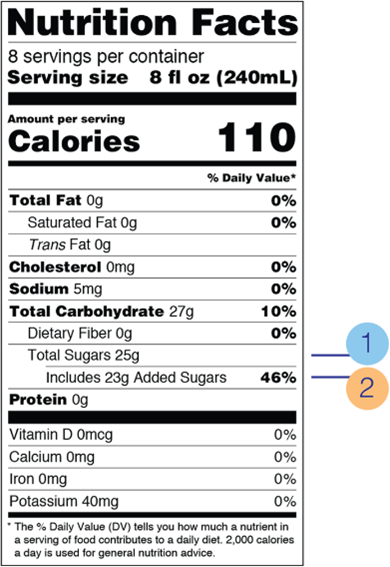 Total sugars are sugars naturally present in many foods and beverages such as fruits and milk. Added sugar is sugar that is added during the processing of foods such as honey, concentrated fruit juices, and desserts.Limiting sugary foods and beverages early can help protect developing teeth.
“We discourage juice before age one and restrict added sugar for children under two,” Lin said. “That means no sweet beverage before age two, and if you do give your child some make sure it is 100 percent fruit juice.”
Parents should also avoid dipping pacifiers into sugar and should not allow children to fall asleep with milk bottles.
“An important thing to know is that babies should not be sleeping with milk,” Lin said. “If your baby needs a bottle to go to sleep, you should only be using water. The sugar in milk sitting on the teeth all night turns into acids, which can erode the enamel.”
Building healthy dental habits for preschoolers (ages 2 to 5)
Brushing twice a day
During the preschool years, brushing twice daily becomes especially important.
“If your child is not used to their dental routine yet and does not want to brush twice a day, be sure to brush at night to clean off what they have eaten throughout the day,” Lin said.
“In this case, bacteria aren’t growing and causing damage to their teeth while they sleep. Once your child accepts this routine, then introduce a second brushing in the morning.”
Children over age 3 can begin using a pea-sized amount of fluoride toothpaste.
Choosing tooth-friendly snacks
Diet plays an important role in preventing cavities.
Lin recommends limiting sugar and restricting snacks to no more than three times per day.
“Choose snacks that don’t remain in the teeth for a while,” she said. “Avoid sticky or starchy foods and opt for calcium-rich foods such as cheese or yogurt. Also, incorporate crunchy fruits and vegetables like apples, carrots, and celery.”
Other healthy snack options include:
- Nuts
- Homemade smoothies with limited sugar
- Avocados
Protecting school-age children's teeth
Supervise brushing and encourage consistency
Parents should continue supervising brushing until children are approximately 7 or 8 years old.
“If your child is struggling to maintain a routine, consult with your dentist to create a personalized plan that suits their lifestyle,” Lin said.
Children who participate in sports should also wear a mouthguard to help prevent dental injuries.
Limit sugary drinks and sports drinks
Lin recommends avoiding carbonated beverages and limiting sports drinks and juice whenever possible.
“If you purchase sports drinks for your child, consider getting a smaller bottle or opting for zero sugar,” she said. “Children will not often finish the whole bottle and instead drink it throughout the day. If the sports drink has sugar in it, they are exposing their teeth to sugar over and over.”
“Sports drinks are for sports practices. Your child should be drinking water the rest of the day.”
The benefits of fluoride and tap water
Drinking water helps support good oral health, especially when it contains fluoride.
“Bottled water has very little fluoride so tap water is a great low-cost way to protect your teeth,” Lin said. “If your community doesn’t have fluoridated water, try toothpaste with fluoride to receive the benefits and talk to your dentist on different ways to keep teeth healthy.”
Fluoride helps strengthen enamel and makes teeth more resistant to decay.
Creating healthy smiles that last a lifetime
Good oral health starts early. Establishing daily brushing habits, providing healthy snacks, encouraging water consumption, and scheduling routine dental visits can help children maintain healthy smiles throughout childhood and beyond.
About the UAB Dentistry Pediatric Dentistry Clinic
Located in the heart of the UAB Medical District in Birmingham, Alabama, UAB Dentistry Pediatric Dentistry provides preventive and comprehensive dental care for infants, children, adolescents, and patients with special health care needs. Services focus on routine care, early intervention, and guidance that supports long-term oral health.
Book an Appointment: (205) 934-4546
Article Attribution
Written by: Kaitlin McKelvy Davis
Medically Reviewed by: Yu-Yin Lin, D.D.S.
More Patient Education
Why Age 7? UAB Dentistry Experts Explain the Importance of Early Orthodontic Visits
Tooth decay: How to identify, treat, and prevent cavities
Tooth Decay and Cavities: Symptoms, Treatment, and Prevention
 When you drink cold water or a hot cup of coffee, do your teeth feel sensitive? Or when you take a bite of food, do you notice a lingering toothache? If so, you may be experiencing tooth decay.
Tooth decay, also known as dental caries or cavities, develops when bacteria in the mouth create acids that damage tooth enamel. Diet, oral hygiene habits, saliva, and the overall oral environment all play a role in cavity formation.
Emerson Martins, D.D.S., M.S.c., Ph.D., a restorative dentistry expert with UAB Dentistry, explains how tooth decay occurs, how to recognize the warning signs, and what patients can do to prevent cavities before they become serious problems.
What causes tooth decay?
“Our mouth environment is always changing, and our saliva’s pH plays a big role in the dental caries,” Martins said. “If the pH decreases, the tooth will lose vital minerals and the decaying process begins.”
Acidic foods and beverages can lower the pH in the mouth, increasing the risk of tooth demineralization and cavity formation.
“For example, if you drink something that lowers your pH, you should rinse your mouth with water and use a dental product that contains fluoride to raise your pH and protect your teeth,” he said.
Martins recommends drinking tap water as a source of fluoride, which helps strengthen enamel and prevent tooth decay.
The stages of tooth decay
Tooth decay develops gradually and can become increasingly serious if left untreated.
Martins outlines six stages of tooth decay:
Stage 1: White spots
Stage 2: Enamel decay
Stage 3: Tissue (dentin) decay
Stage 4: Involving the innermost layer (pulp) of the tooth
Stage 5: Abscess formation
Stage 6: Tooth loss
Identifying decay early can help prevent progression to more extensive treatment needs.
Can cavities be reversed?
The good news is that early tooth decay can sometimes be reversed.
“If you notice signs of decay, your dentist can prescribe fluoride treatments like mouthwash to reverse early tooth decay,” Martins said. “You'll probably need a filling if you have a hole (cavity) in your tooth. If tooth decay has reached the soft tissue (pulp) in the middle of your tooth, you may need root canal treatment.”
While very early decay may be reversible, deeper cavities cannot be reversed once significant tooth structure has been lost. Professional treatment is needed to stop the damage and restore the tooth.
Signs and symptoms of a cavity
If tooth decay progresses, patients may experience:
- Toothache
- Tooth sensitivity
- Mild to sharp pain when eating or drinking something sweet, hot, or cold
- Visible holes in the teeth
- Brown, black, or white staining on the tooth surface
- Pain when biting down
Patients who notice these symptoms should schedule a dental evaluation as soon as possible.
How to prevent cavities
Preventing tooth decay is often simpler and less costly than treating it.
“You can prevent tooth decay by avoiding sugary drinks, brushing your teeth twice a day with fluoride toothpaste, and flossing once a day,” Martins said.
He also emphasizes the importance of managing carbohydrate intake and avoiding nighttime snacking.
“Avoiding dental caries is very simple with diet control. Managing when eating/drinking carbohydrates, brushing twice a day and flossing, and especially avoiding snacking before bed,” Martins said.
Modern approaches to cavity prevention
“At UAB Dentistry, we focus on gentle and effective treatments to keep your teeth healthy,” Martins said. “Instead of aggressive methods, we aim to prevent damage and, when necessary, make repairs rather than replacements.”
He notes that products designed to strengthen enamel and emerging technologies aimed at supporting tooth remineralization continue to expand treatment options for patients.
Why patient education matters
Martins believes prevention begins with education.
“Educating our population is the most important thing,” Martins said. “As dentists, we should invest more time in preventing these issues.”
He encourages patients to view cavity prevention as a partnership between dental professionals and individuals. By adopting healthy habits and seeking regular dental care, many cases of tooth decay can be avoided altogether.
About the UAB Dentistry Comprehensive Care Clinic
Most new adult patients begin their journey at UAB Dentistry Comprehensive Care. Our team provides comprehensive dental services, including preventive, restorative, and prosthetic care, in a supervised educational setting. Patients benefit from personalized treatment planning, continuity of care, and faculty oversight throughout treatment while helping prepare the next generation of dental professionals.
Book an Appointment: (205)934-2700
Article Attribution
Written by: Kaitlin McKelvy
Medically Reviewed by: Emerson Martins, D.D.S., M.S.c., Ph.D.