-
Participating Cores and Posters
Adaptive Human Performance Lab
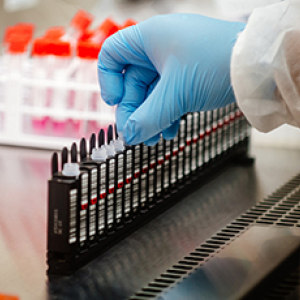
The Adaptive Human Performance Lab (AHPL) was designed to provide innovative and extensive services for exercise, nutrition, physical activity, and health assessments and interventions for research related to improving physical and psychological well-being of people with disabilities.
Advanced Materials Characterization Core
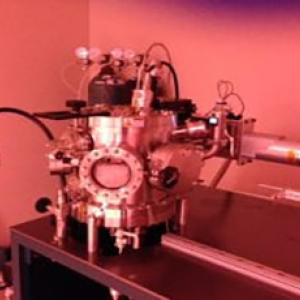
Providing researchers and companies with analytical tools including scanning electron microscopy, x-ray diffraction, x-ray photoelectron spectroscopy, Raman spectroscopy, as well as maskless photolithography and sputtering of metals.
Antibody Characterization and Serology (ACS) Recharge Facility
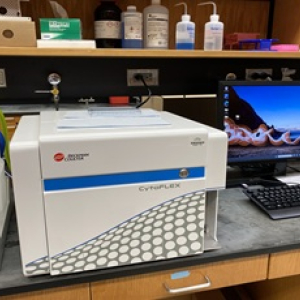
The ACS facility offers research reagents, multiplex immunoassays and high-throughput technologies to investigate B cell responses to infectious agents and autoimmune diseases, quantitate antigen-specific antibodies, measure multiple cytokines and other markers, and assess binding kinetics/affinity for molecular interactions.
Bio-Analytical Redox Biology (BARB) Core
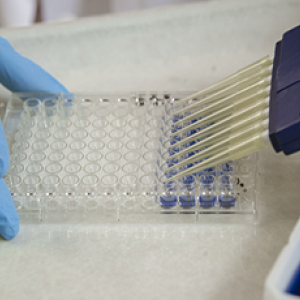
Our core, located in Webb 416 & 418, provides state-of-the-art services in mitochondrial physiology, chronic stress, ETC kinetics, oxidative stress, and lab clean/close outs. Our expert staff assist with all grant stages from experimental design in pilot studies, to providing strong letters of support, comprehensive training, and technical advice.

CCTS Bioinformatics
The mission of CCTS Bioinformatics is to assist researchers in understanding the biological meaning of your data, enriching your publications, grants, and future research.

CCTS Bionutrition
The CCTS Bionutrition unit connects investigators with approved dietary protocols, study planning, registered dietitians, cooks, facilities, and equipment in support of human nutrition studies.

CCTS Biostatistics, Epidemiology and Research Design (BERD)
The CCTS Biostatistics, Epidemiology and Research Design (BERD) provides consultation, guidance and expertise on study design, data management and statistical analysis throughout the CCTS Partner Network.

CCTS Clinical Research Informatics
CCTS Clinical Research Informatics connects investigators with biomedical data and analytics.

CCTS Clinical Research Support Enterprise (CReSt)
CReSt Educational offerings provide academic training essential for success across the clinical research career arc. Training supports investigators, study coordinators, regulatory and financial staff, and research leadership.
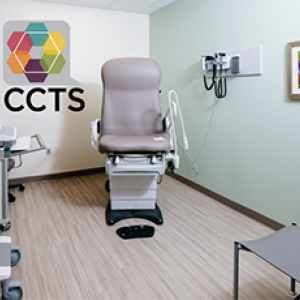
CCTS Clinical Research Unit (CRU)
The CCTS Clinical Research Unit (CRU) is committed to providing investigators and their teams a research environment and broad range of services guided by good clinical practice. The unit equips investigators with essential tools and critical resources, while providing a highly efficient and flexible infrastructure.

CCTS Dissemination and Implementation Science
CCTS Dissemination and Implementation Science raises awareness, adoption and integration of evidence-based practices, interventions, and policies into routine health care and public health settings to improve the impact on population health.

CCTS Engagement of Communities
Through the CCTS Engagement of Communities domain, we seek to develop partnerships between researchers and the populations we serve by providing learning and collaboration opportunities towards speeding the translation of knowledge into health improvements for all.

CCTS Partner Network
The mission of the CCTS Partner Network is to enhance the translation of fundamental and clinical research into improvements for human health and health care delivery.
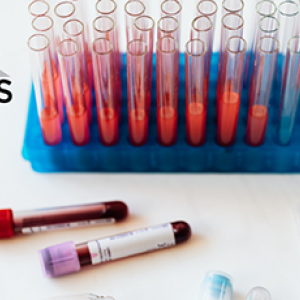
CCTS Specimen Processing and Biorepository
The CCTS Specimen Processing and Biorepository specializes in research based clinical specimen processing and biobankingwith barcoded inventory management. Our lab is located within the CCTS Clinical Research Unit (CRU) in Jefferson Tower. More complex blood processing occurs in our facility located in Shelby 230.

CCTS Training Academy
The CCTS Training Academy offers interdisciplinary, educational programs and enrichment activities for research teams across the academic career arc including graduate and postgraduate students, staff professionals, early career and established faculty and the community.
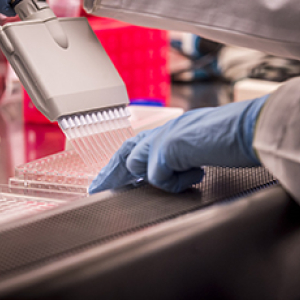
Center For AIDS Research
The UAB Center for AIDS Research (CFAR) catalyzes new and nurtures ongoing HIV research across the domains of basic, behavioral, clinical, implementation, and community science in partnership with the communities we serve.
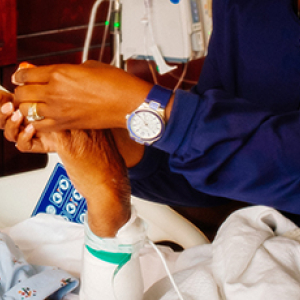
Center for Palliative and Supportive Care
The CPSC UWIRC Core and Shared Resource advances palliative and supportive care through interdisciplinary education, collaboration, and research support. We build a community of scholars, provide mentorship and consultation, and foster innovative research to improve care for patients and families facing serious illness.

Center for the Study of Sexual and Gender Health
The UAB Center for the Study of Sexual and Gender Health (CSSGH) is a multidisciplinary coalition of academic and community partners committed to improving the health and wellbeing of LGBTQ people through innovative research, education and training, and community building.

Child Health Research Unit (CHRU)
The mission of the CHRU is to provide an outpatient pediatric research unit that reduces barriers to the conduct of scientifically rigorous clinical and translational research. The CHRU facilitates the implementation of safe and age-appropriate clinical research protocols to accelerate our understanding and treatment of childhood diseases.
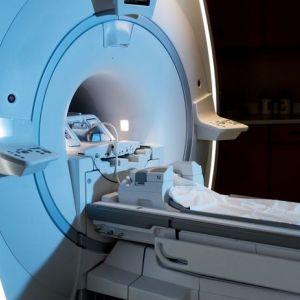
Civitan International Neuroimaging Laboratory and Research MRI Core
The Civitan International Neuroimaging Laboratory and Research MRI Core is a state-of-the art MRI imaging facility that features two 3 Tesla MRI scanners and a .55 MRI scanner. It also houses two cutting-edge NIRSport2 fNIRS systems available for use offsite. We support investigators with advanced imaging of the whole body, including the brain, spinal cord, eye, liver, skeletal muscle, and kidneys. Our Siemens Magnetom Prisma now features multinuclear magnetic resonance spectroscopy, which provides our users unprecedented opportunities for biomedical imaging.
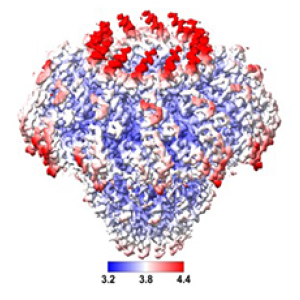
Cryo-EM Facility
The Cryo-Electron Microscopy Facility (CEMF) advances the overall UAB mission by supporting the application of cryo-EM in making new scientific discoveries. We provide access and training in the use of cutting edge cryo-EM technology and techniques for the characterization of biological samples from the cellular to the atomic scale.

DATA CRU (DATA coordinating and Collaborative Research Unit)
The DATA coordinating and Collaborative Research Unit (DATA CRU) specializes in the statistical analysis, design, and management of interdisciplinary, multisite longitudinal studies and randomized clinical trials. Housed in the UAB School of Public Health, the DATA CRU has over 40 full-time staff members and 12 affiliated multidisciplinary faculty.

DNS Metabolic and Demonstration Kitchen
The metabolic kitchen delivers clinically controlled, pharmacy-grade meals to support multidisciplinary research and hands-on training. Registered dietitians precisely formulate and prepare all meals to manipulate macro- and micronutrients. The teaching kitchen supports live and recorded Food Is Medicine classes with real-time meal preparation.
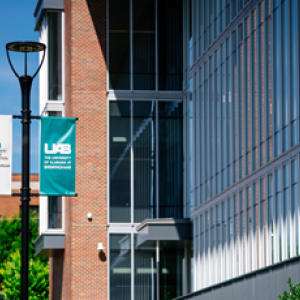
Harbert Institute for Innovation & Entrepreneurship
The Bill L. Harbert Institute for Innovation and Entrepreneurship (HIIE) fosters an entrepreneurial community and innovative ecosystem at UAB and provides the infrastructure required for faculty, staff, and students to commercialize innovation within the region and beyond.
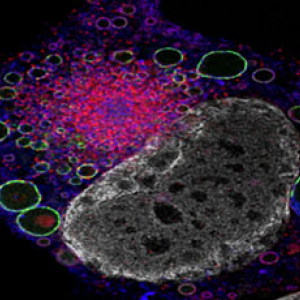
High Resolution Imaging Facility
HRIF provides electron and light microscopy including confocal, live-cell, multiphoton, widefield, super-resolution, OptIR imaging, image analysis, and nanoparticle characterization. Core systems include Stellaris 5, Lightsheet 7, and JEOL TEM, with ONI Nanoimager and JEOL FE-SEM installing this quarter.
High Resolution Imaging Facility (HRIF)
HRIF provides electron and light microscopy including confocal, live-cell, multiphoton, widefield, super-resolution, OptIR imaging, image analysis, and nanoparticle characterization. Core systems include Stellaris 5, Lightsheet 7, and JEOL TEM, with ONI Nanoimager and JEOL FE-SEM installing this quarter.
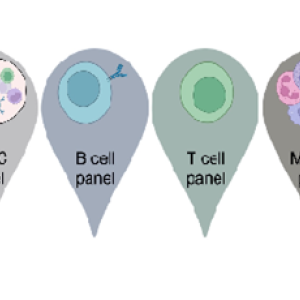
Immunophenotyping Core
The UAB Heersink School of Medicine Immunology Institute and the O'Neal Comprehensive Cancer Center (OCCC), working in close partnership with the Flow Cytometry and Single Cell (FCSC) core, have established human IMMUNOPHENOTYPING services to all members of the Immunology Institute and the UAB community.
Integrative Center for Aging Research
ICAR serves as the knowledge-exchange and collaboration hub for UAB's aging-related research investigators and centers of excellence.

Laboratory Animal Nutrition Core
The mission of the LAN is to increase the relevance of lab animal research by providing nutritional information, diet formulation, and diet production for standard reference diets, reference diets, and experimental diets, in a variety of animal models, as well as to expand our understanding of the importance of diets in experimental design.

Measurement & Evaluation Core and Community Health Coaches Core
The Measurement & Evaluation Core provides consultation and assistance with grant proposals and implementation. The Core offers quantitative, qualitative, and mixed methods measurement and analysis services. The Community Health Coaches Core offers services to UAB researchers through a trained and certified Community Coaches."
Metabolism Core
The Metabolism Core provides state-of-the-art assessments of human energy expenditure, substrate metabolism, body composition, body fat distribution, and bone quality.
Multidisciplinary Molecular Interaction Core (MMIC)
MMIC provides use of a Biacore T200 biosensor instrument that determines binding kinetics, specificity, and thermodynamics of biomolecular interactions. This instrument uses surface plasmon resonance (SPR) technology to monitor label-free binding activity between proteins, peptides, nucleic acids, carbohydrates, lipids, or small drugs in real-time.
NEI P30 Vision Cores
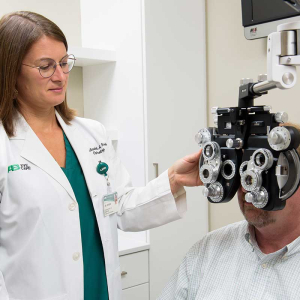
The P30 Vision Cores are funded by core grant EY03039 from the National Eye Institute (NEI). This P30 has been funded since 1979. There are currently five Cores: Administrative, Research Programming & Computational Analysis, Machine shop, Visual Phenotyping, Molecular & Cellullar Analysis.
P30 BIGDATA Core Center for Clinical Research - Administrative Core
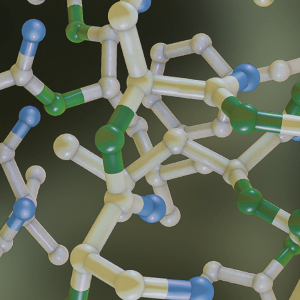
BIGDATA's mission is to drive transformative research in rheumatologic, musculoskeletal, and skin diseases by harnessing digital health, informatics, and advanced analytics to revolutionize care and improve patient outcomes. Our Cores harness digital health data to receive, review, and resource your RMD project needs.
P30 BIGDATA Dissemination, Implementation and Community Engagement (DICE) Core
The P30 BIGDATA DICE Core provides resources to engage communities and incorporate the patient's voice in RMD research. It offers consultation and support for implementing digital health tools, D&I strategies, community engagement methods, hybrid research models, and ensuring the patient's voice is incorporated in all aspects of clinical research.
P30 BIGDATA Methods and Health Informatics Core
BIGDATA Core Center provides innovative health information technology tools and methods to effectively advance the mission of the National Institute of Arthritis and Musculoskeletal and Skin Diseases (NIAMS). The Methods and Health Informatics (MHI) Core provides methodological, analytic and informatics expertise to support innovative RMD research.

Participant Access to Research Core
The Participant Access to Research Core (PARC) assists investigators in reaching their study goals for participant recruitment, retention, and data collection for community-engaged and population health studies, as well as clinical trials.
Small Animal Echocardiography (ECHO) Core
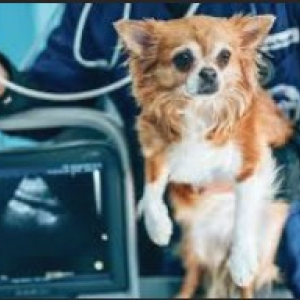
We have a highly capable VEVO 3100 ECHO machine, probes, and platforms for both mice and rats. We can measure left and right ventricular systolic function, left ventricular diastolic function, and pulse wave velocity. We have a dongle for use with the comprehensive VEVO software for data analysis. We provide both full and self-run services.
Small Animal Glycemic Clamp Core
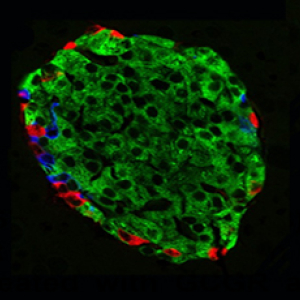
The gold standard for assessment of insulin sensitivity in rats and mice; Catheters are implanted into Jugular vein for infusion and carotid artery for blood sampling. After recovering from surgeries, hyper-, hypo-, or euglycemic glucose clamp can be performed with tracers (14C-2DG, 3H-Glucose) to assess tissue-specific Rd and endo-Ra.
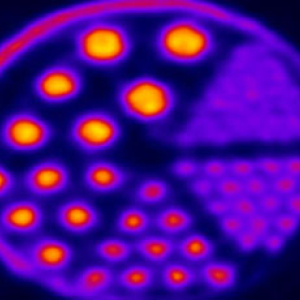
Small Animal Imaging Facility
The Preclinical Imaging Core Facility supports multimodality imaging in preclinical disease models for UAB investigators through advanced preclinical imaging acquisition and analysis. The facility provides imaging technology, analysis, training, and secondary assays that can be applied to clinical translation.
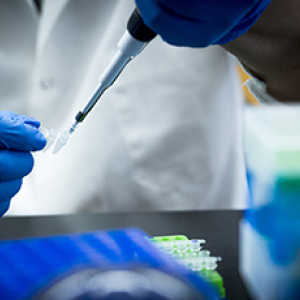
Small Animal Microsurgical Core
Small Animal Microsurgical Core provides access to complex small animal microsurgical procedures for investigators in a cost-effective and timely manner.
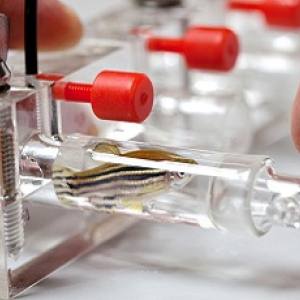
Small Animal Phenotyping Core
The Small Animal Phenotyping Core provides measures of body composition and energy expenditure for small animals.
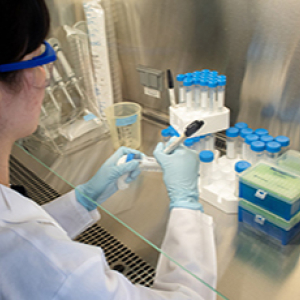
Southeastern Biosafety Lab (SEBLAB) BSL-3/ABSL-3 high containment core facility
Southeastern Biosafety Laboratory Alabama Birmingham (SEBLAB) provides facilities (1 BSL-2 suite, 6 BSL-3 in vitro suites, 4 ABSL-3 labs for small animal studies, and an in vivo imaging suite), equipment and highly trained core staff to support high containment BSL3 and ABSL3 research on risk group 3 pathogens and select agents.
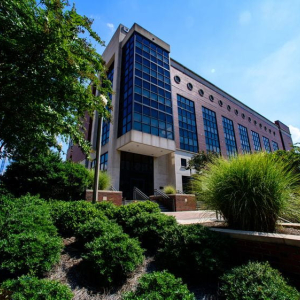
T-MSIS Data & Research Core (T-MSIS DRC)
The T-MSIS DRC at UAB offers access to multi-year, 50-state Medicaid & CHIP claims data covering 75+ million beneficiaries annually. Our multidisciplinary team of experts in big-data analytics, empirical methods, health policy, outcomes, and health equity research supports pilot studies, competitive grant applications, and high-impact publications.
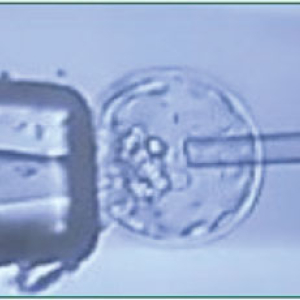
Transgenic and Genetically Engineered Models (TGEMs) Core
The TGEM Core is a centralized facility for the production of genetically modified animal models for UAB investigators. Genetically engineered models (mice, rats and zebrafish) are produced by trained professionals at high standards of quality and with excellent efficiency.

UAB Biological Data Science Core (U-BDS)
The UAB Biological Data Science Core (U-BDS) provides high-quality computational support to advance biomedical research, with core expertise in genomics, transcriptomics (including single-cell and spatial transcriptomics), and systems biology. Beyond analysis, U-BDS supports custom workflow development, and hands-on training initiatives.

UAB Center for Exercise Medicine
The UAB Center for Exercise Medicine (UCEM) focuses on improving the health and well-being of children and adults of all ages through acceleration of innovative, exercise-based interdisciplinary research across five pillars – precision, regeneration, rehabilitation, interaction, and sustainability.
UAB Center for Precision Animal Modeling (CPAM)
The UAB Center for Precision Animal Modeling (CPAM) advances understanding of human genetic disorders by generating, analyzing, and distributing precision models. As a national resource, CPAM supports the discovery of disease mechanisms, diagnostic evidence, and potential therapeutics.
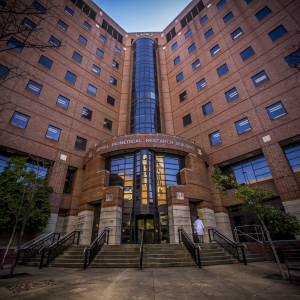
UAB Flow Cytometry and Single Cell Core Facility
The flow cytometry and the single-cell core facility is to provide state-of-the-art equipment and services for UAB investigators to advance basic and clinical research.
UAB Healthy Donor Cohort
The UAB Healthy Donor Cohort (UAB HDC) serves as a platform to provide fresh blood samples from healthy adult volunteers to UAB investigators. UAB investigators can also use our cohort to advertise for their studies or work with the Immunology Institute to collect samples other than blood.

UAB IT Research Computing
UAB Research Computing provides high-performance computing, storage, and advanced research software support to accelerate research. We offer powerful compute clusters, interactive tools, training, and expert guidance to help researchers efficiently run analyses and scale their workflows. We empower research through computing.

UAB Kinome Core
We analyze tissues, cells, or purified kinases for activity against hundreds of phosphorylatable substrates in high throughput 3D arrays (PamChips) to identify altered phosphorylation, upstream kinases, biomarker signatures, biological networks and real-time drug responses.

UAB Libraries' Systematic Review Service
The UAB Libraries' Systematic Review Service is a free service that partners with UAB faculty, residents, fellows, staff, and graduate students across campus to support evidence synthesis. Our librarians bring specialized training in SR methodology, comprehensive database searching, and transparent reporting practices to strengthen your research.
UAB Lung Health Center
The Lung Health Center delivers services focused on research, education and patient care that cultivates innovation, translation and dissemination of new biomedical and informational technologies as they apply to the field of lung health. The LHC is committed to performing research that will benefit our patients and community, and foster knowledge.

UAB Mixed Methods Research, Community-Based Participatory Research and Qualitative Research (MMR-CBPR-QR) Approaches Core
The Core supports investigators in mixed methods research, community-based participatory research, and qualitative research. Services include consulting on study design, grants, and manuscripts; developing data collection tools; conducting analytics and presentations; and providing training across these methodologies.
UAB NanoString nCounter Service
Nanostring nCounter platform enables the profiling of hundreds of gene targets simultaneously (up to 800) with high sensitivity and precision, in most sample types (Crude RNA, Fresh Frozen, Blood, Plasma, Serum, Cell lysate) including even decades-old formalin fixed paraffin embedded (FFPE) tissues, without the need for amplification steps.

UAB Social Determinants of Health (SDH) Core
The Social Determinants of Health (SDH) Core enables UAB investigators to measure the effect of social and environmental risks for disease etiology, progression, management, and outcomes and to test interventions that ameliorate their effect. Our services enable innovative investigations of genome-sociome-exposome pathways to health and disease.
UAB Spatial Core
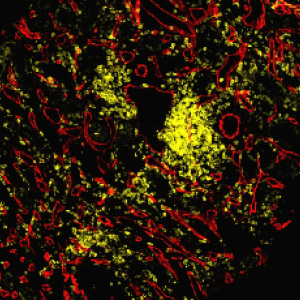
The UAB Spatial Core is focused on Spatial Transcriptomics and Proteomics. A GeoMX Digital Spatial Profiler is used to spatially resolve RNA or proteins within regions of interest in tissue sections. This allows in-depth analysis of transcriptomic or proteomic profiles in specific cell populations with morphological and spatial context.
UAB Structural Proteomics Resource
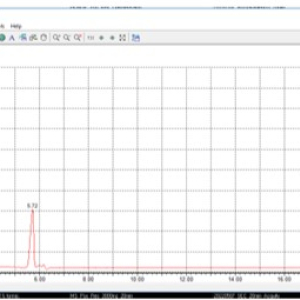
The Structural Proteomics Resource provide ESI-ToF mass spectrometry services supporting protein structure/function research. Competencies include intact protein analysis, native mass spectrometry of protein complex, fully automated H-D exchange, ion mobility-based shape/size determination.
UAB Tissue Biorepository
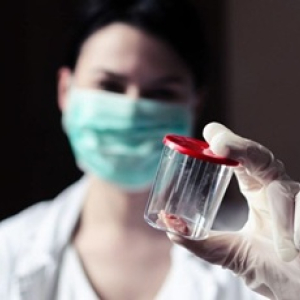
The MISSION of the UAB Tissue Biorepository (UAB-TBR), is to collect, process, store, and distribute high quality human tissue specimens to investigators at UAB, members of the O'Neal Comprehensive Cancer Center and others to conduct investigations that advance molecular medicine to individualize treatment and improve clinical care.
UAB Tree Shrew Core
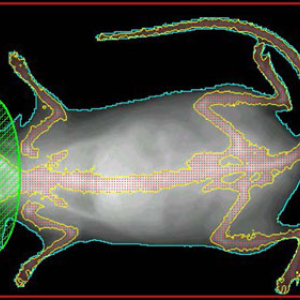
The mission of the UAB Tree Shrew Core is to ensure the availability of tree shrews for research. Tree shrew models are ideal for translational and preclinical research due to genetic and anatomic similarities to humans.
UAB-UCSD O'Brien Center for Acute Kidney Injury Research
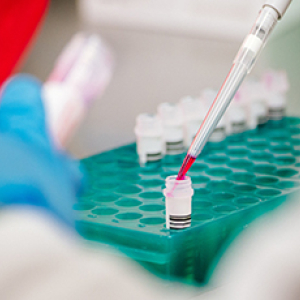
UAB-UCSD O'Brien Center for AKI Research supports shared core facilities to enhance collaborations and further research in kidney-related research, foster interactions among kidney researchers from different disciplines, and provide intellectual resources and infrastructure to attract new and established investigators.
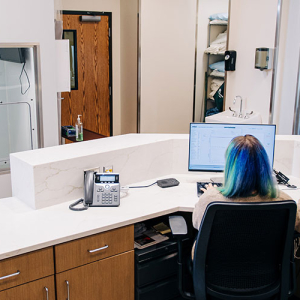
Whole Room Indirect Calorimetry Suite
The purpose of the whole-room indirect calorimetry suite is to provide measurements of human energy expenditure and substrate utilization, both long-term (24-hour) and short-term (6-hour), for research studies.