This spring, Chris Callison-Burch, Ph.D., was in town to share an unusual approach to machine learning. This is one of the hottest topics in computer science: It is behind everything from Google’s self-driving cars to Apple’s Siri personal assistant.
Callison-Burch, an assistant professor at the University of Pennsylvania, is building a system that can automatically translate foreign languages into English — especially obscure dialects (from an American point of view) that can be of great interest to national security. He was in Birmingham at the invitation of Steven Bethard, Ph.D., a machine learning researcher and assistant professor in the UAB College of Arts and Sciences Department of Computer and Information Sciences.
In order to teach a computer to do something, Callison-Burch explained, you need to give it examples. Lots of examples. For a French-English translation, there are millions of sample texts available on the Internet. For Urdu, not so much.
Crowdsourcing Science: How Amazon’s Mechanical Turk is Becoming a Research Tool
Announcements
CAS News
August 31, 2015
More News
-
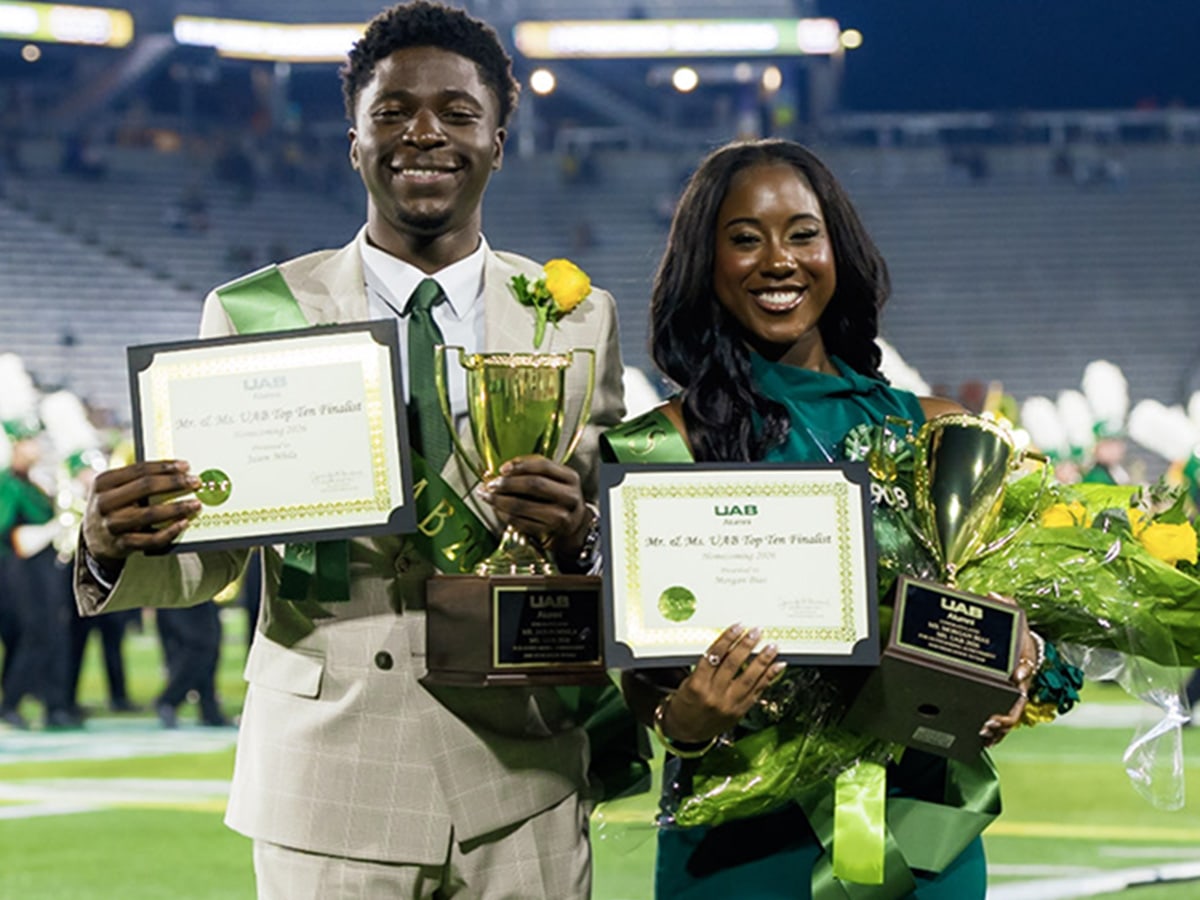 New Mr. and Ms. UAB 2027 are Jason Mbila and Morgan BiasMbila and Bias will each receive $2,500 scholarships and serve as ambassadors of UAB for the coming year and UAB Future Blazers Alumni leaders.
 -
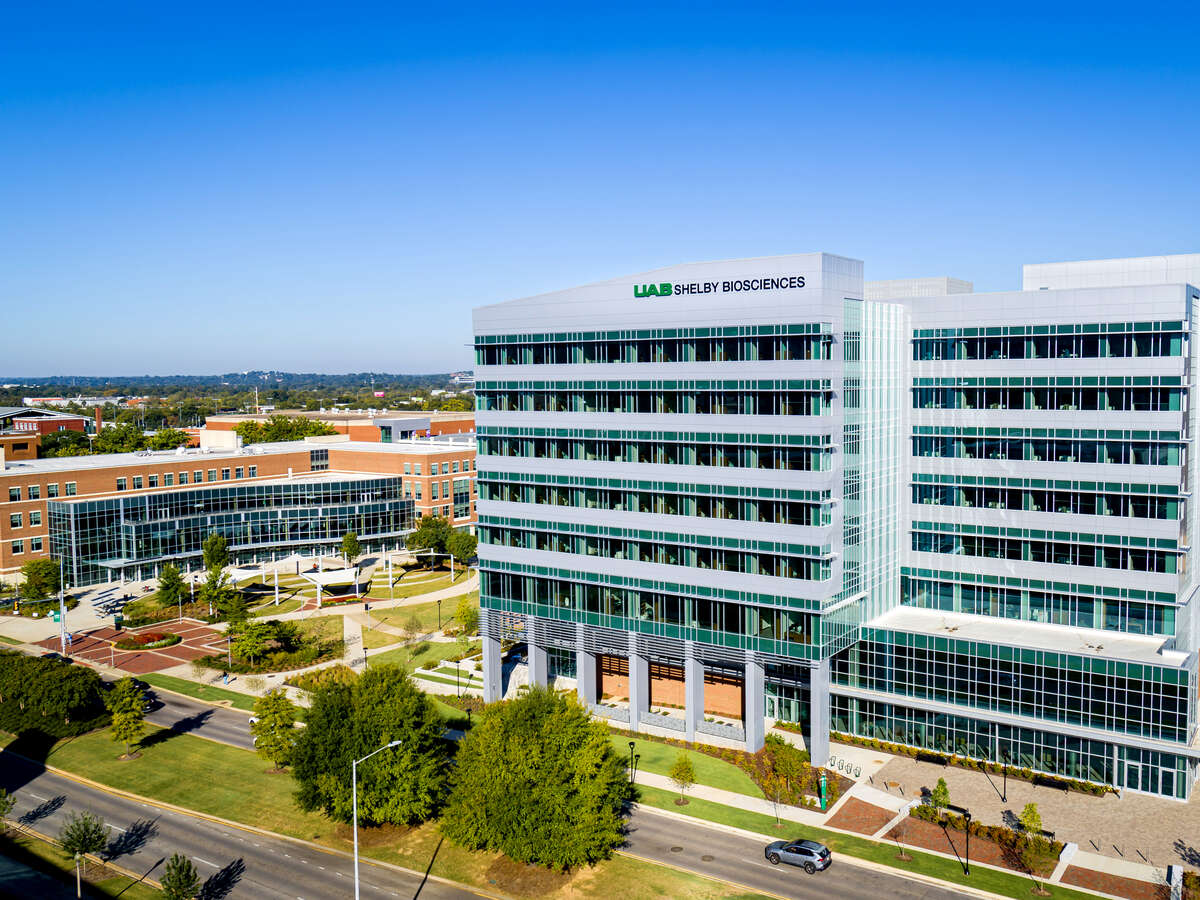 Shelby Biosciences Research Building opens at UABThe new facility significantly expands UAB’s research capacity, reinforcing its role as a leading engine of discovery and health advancement for Alabama and beyond.
 -
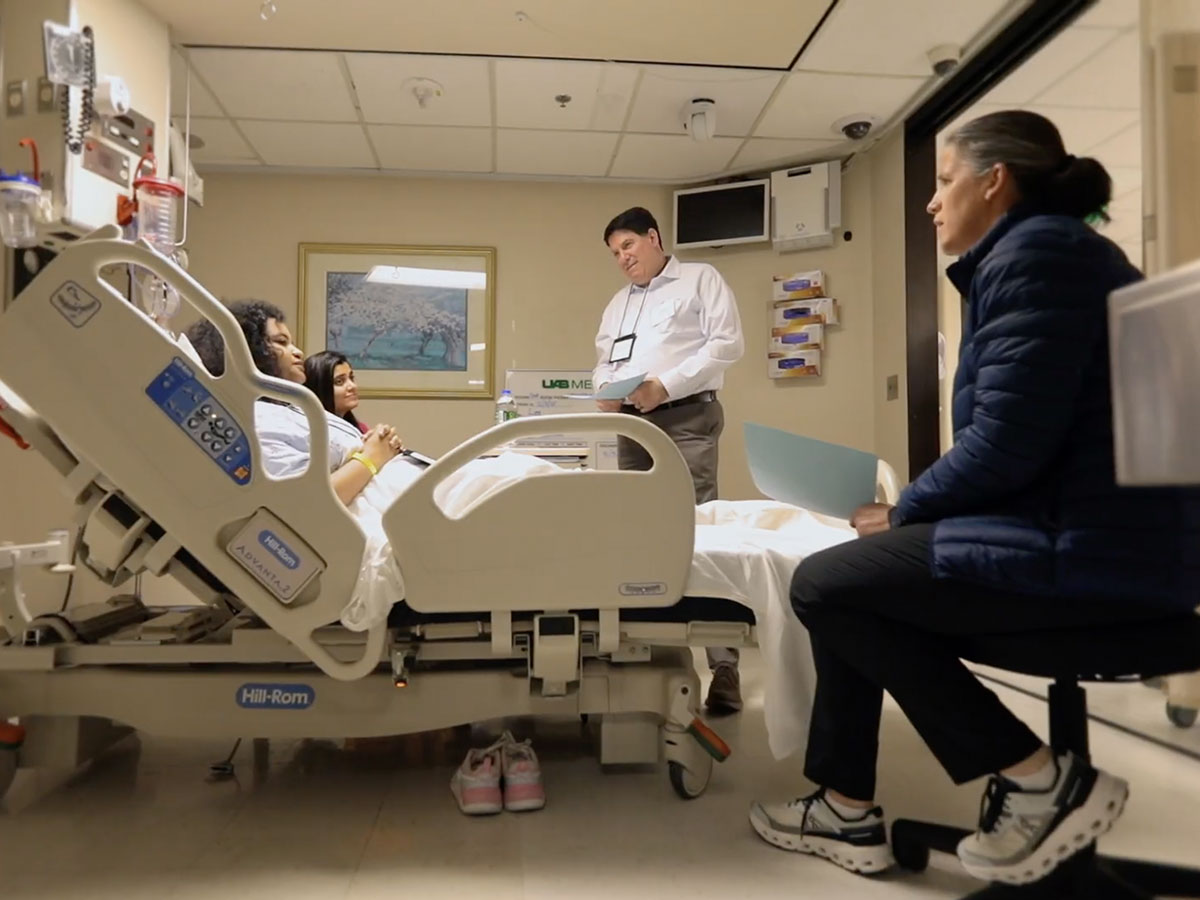 Faculty and staff offer advice on starting a successful continuing-education programFour faculty members and the leader of UAB’s Office of Continuing Education and Lifelong Learning break down how to translate faculty expertise into new programs.