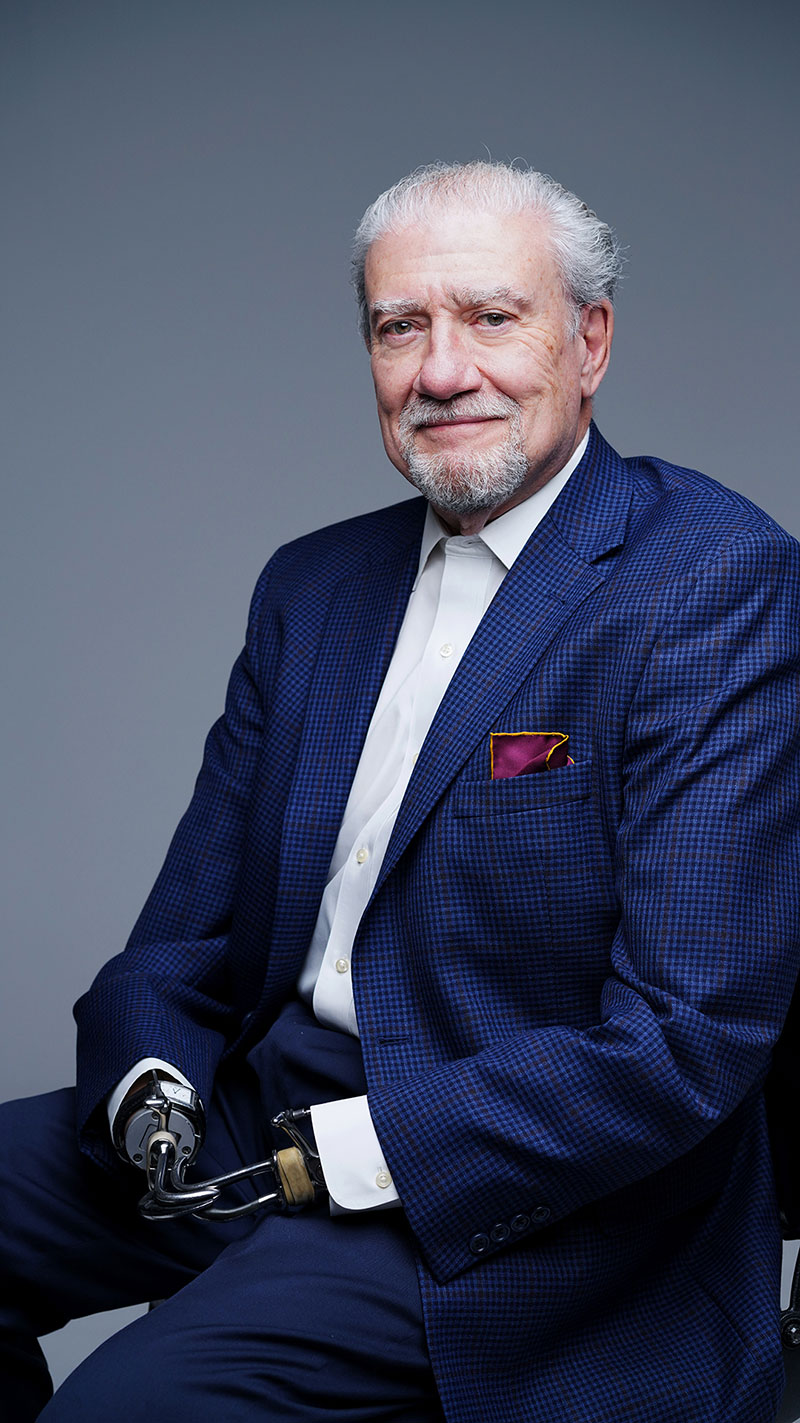
 John KempLakeshore President and CEO John Kemp joined several other disability and employment leaders on April 21st for a panel on employment in the disability community.
Hosted by Inclusively and Georgetown University, panelists were from an array of backgrounds including academia, advocacy, business and nonprofit. The event featured discussion on topics including disclosure, accommodation, compensation and innovation.
Each of the panelists were initially asked to explain how they got involved in the disability community. Highlighting the depth of disability in society, every panelist had a different answer, ranging from developing a disability of their own to having a family member and having a mentor with a disability that motivated them to make the world a ore inclusive and accessible place. One of the panelists, Kenna Chic, described how she was inspired to get into advocacy through personal experiences with seeing discrimination against people with disabilities.
“It made me realize like why is it that we have these systems that aren’t actually helping people who really need them, and that led me to understand that perhaps it was because these systems were created by people who didn’t use them,” she said. “They were created by people who looked from the outside and thought perhaps this would be really helpful toward this disability environment, when in reality if we had people who were disabled designing these systems in the first place, it wouldn’t be perfect, but we would still have more support than what we’re getting now.”
One of the themes throughout the panel was the untapped potential that the disability community has in the workforce. Panelists from the business world further elaborated on how once a company develops a system for hiring, it typically becomes ingrained as their main, if not only, means of talent acquisition, which limits their representation.
Kemp discussed an emerging and concerning issue with hiring practices for people with disabilities. Companies with artificial intelligence are being contracted out to help in the hiring process, but in doing so, are biasing hires against people with disabilities. Kemp, who was a part of the formation of the Americans with Disabilities Act of 1990 and other legislation, said this is an illegal practice under the ADA, and the new phenomenon needs to be addressed.
“I think there’s a lot of discrimination going on, and I am really pretty offended by it,” Kemp said
Kemp’s long-time work with policy in the field and the wide age range of panelists led to a discussion about the progress that has been made juxtaposed with the incredible amount of work left to do.
“What I’ve noticed working in this space is that the goal has changed,” Chic said. “When there wasn’t any access or inclusion, the conversations activists were having were around, ‘Hey, we’re just as smart as you. We’re just like everyone else. We deserve to be here…’ A lot of it centered on assimilation because we had to. We had to fit into these corporate cultures even if it didn’t fit us because there was no other way we were going access to these opportunities. What I’ve seen in the past decade or so is that shift in the conversation of actually, ‘We are just as smart and capable as you are, but also we are people who are disabled, and we have needs, and accommodations are a right.”