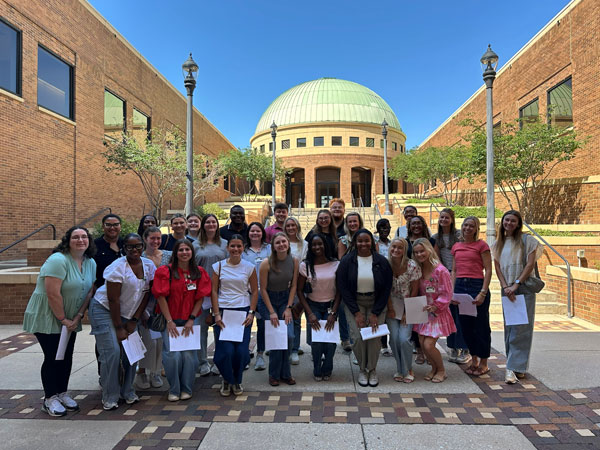
Fifty-eight new students joined UAB’s Entry-Level Clinical Doctorate in Occupational Therapy (OTD) program in May. The program’s sixth cohort includes 52 women and 6 men who represent five southeastern states: Alabama, Georgia, Mississippi, South Carolina, and Tennessee. Students came from more than a dozen undergraduate institutions, among them University of Alabama, Auburn, Jacksonville State, Troy, Samford, Furman, University of Mississippi, and University of South Carolina.
For the first time, University of Alabama at Birmingham leads as the most represented undergraduate institution, with 18 students who completed their degrees there. The cohort’s academic backgrounds range from exercise science, kinesiology, human development, rehabilitation science, and psychology to fields less typically associated with occupational therapy, such as culinary food studies, a mix that reflects the profession’s breadth.
First Stop on The City is Our Classroom Series
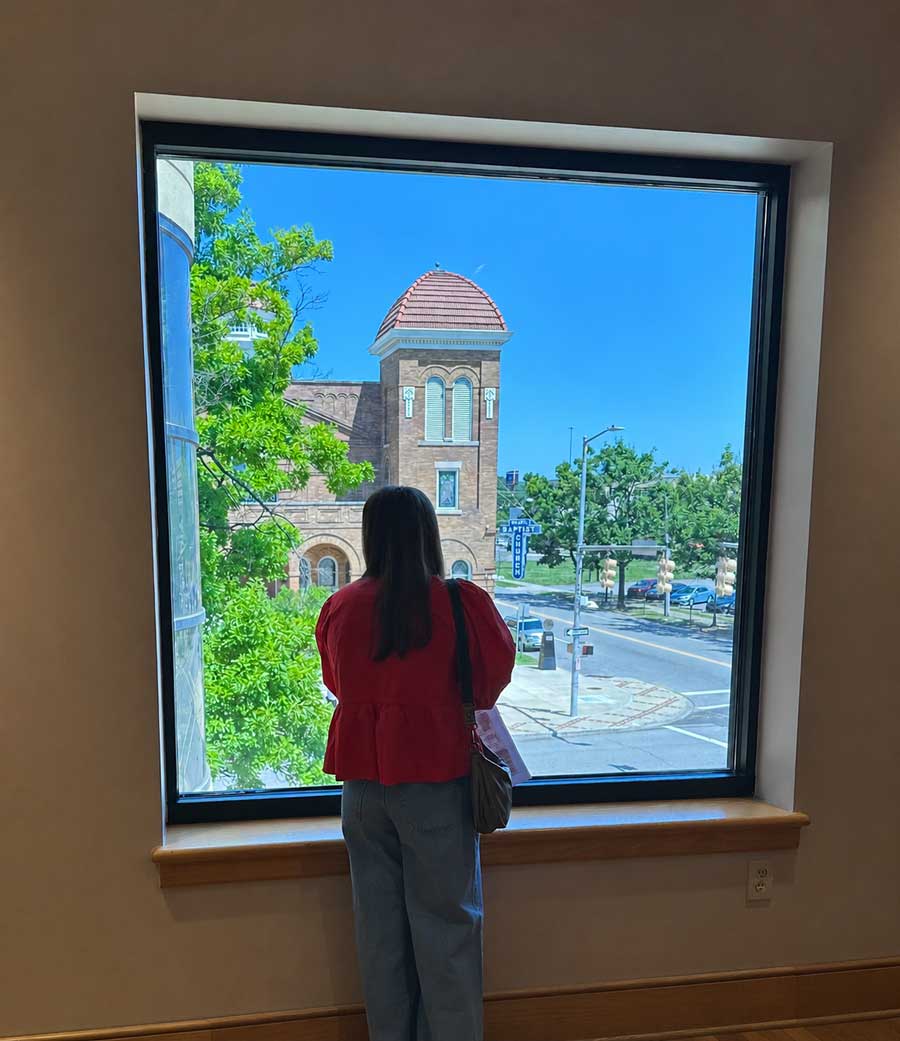
Three days after orientation, OTD 6 began The City is Our Classroom learning series. It’s built around Birmingham’s places, history, and communities. Their first visit was to the Birmingham Civil Rights Institute, where they engaged with the history and lived experiences that continue to shape health and community in the city.
This curriculum unfolds across all five semesters of the program, also taking students to Vulcan Park and Museum, the McWane Science Center, the Birmingham Botanical Gardens, and Sloss Furnaces. There, students do on-site coursework that connects concepts such as social determinants of health and occupational justice to real places and experiences. Part of a UAB-wide educational initiative, the curriculum is built on the idea that Birmingham itself is a teaching tool.
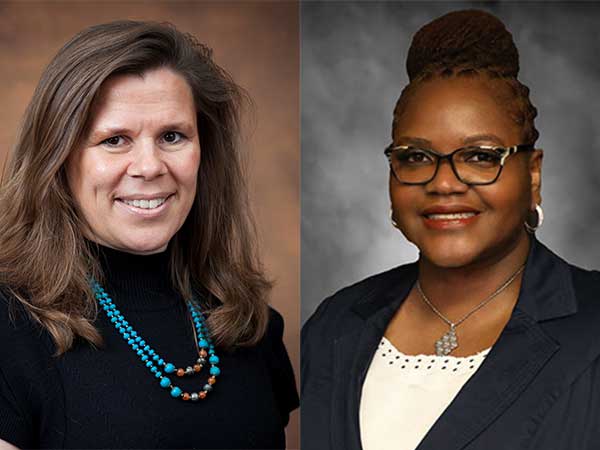
“Birmingham is not just where our students train; it’s part of their education,” said Dr. Jewell Dickson-Clayton, associate professor and director of the Entry-Level OTD program. “The City is Our Classroom series puts students in the places and communities that will define their practice. We want them to understand Birmingham, its history, people, and complexity, so they can better serve the communities that will need them most.”