Research & Innovation
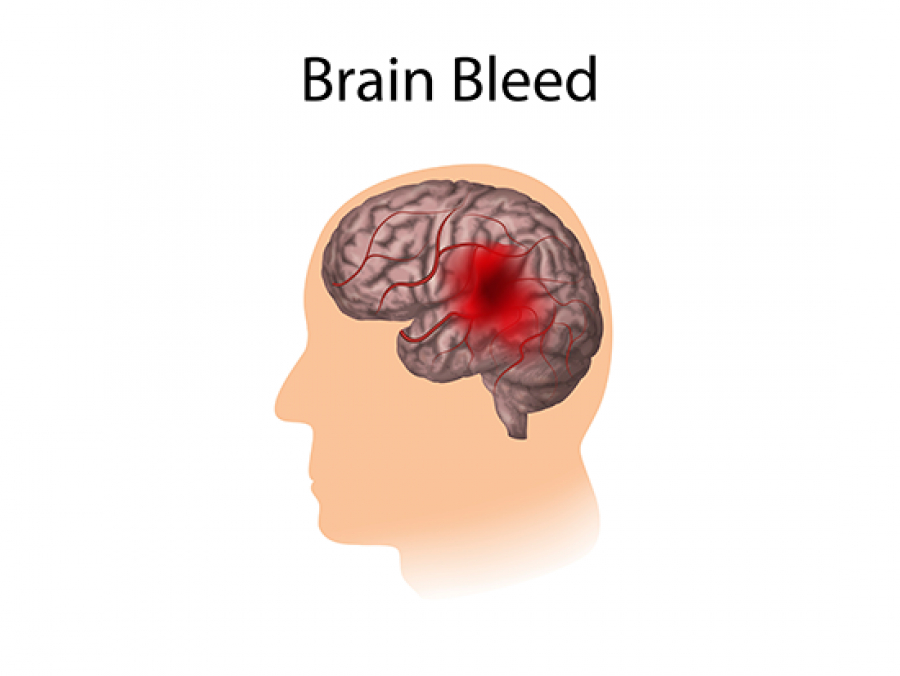
The study will examine a protein that may help slow bleeding in the brain when given within a two-hour window following the first signs of hemorrhage.
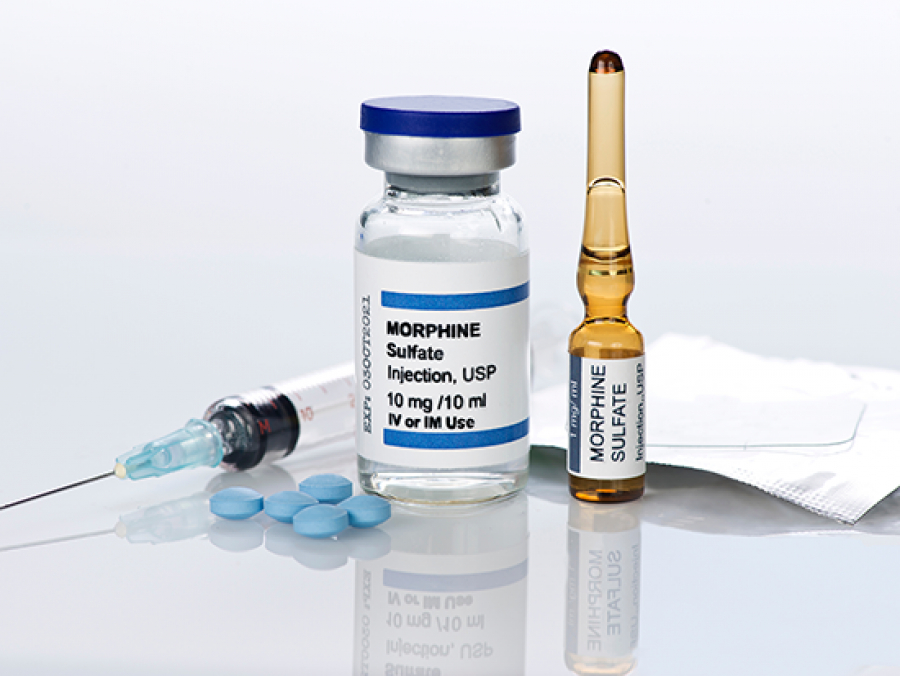
Understanding the mechanisms underlying tolerance and hyperalgesia is essential to enhance morphine’s utility in chronic pain management.

A new study from UAB provides clarity on how the pandemic mattered for the mental health of parents with school-age children.
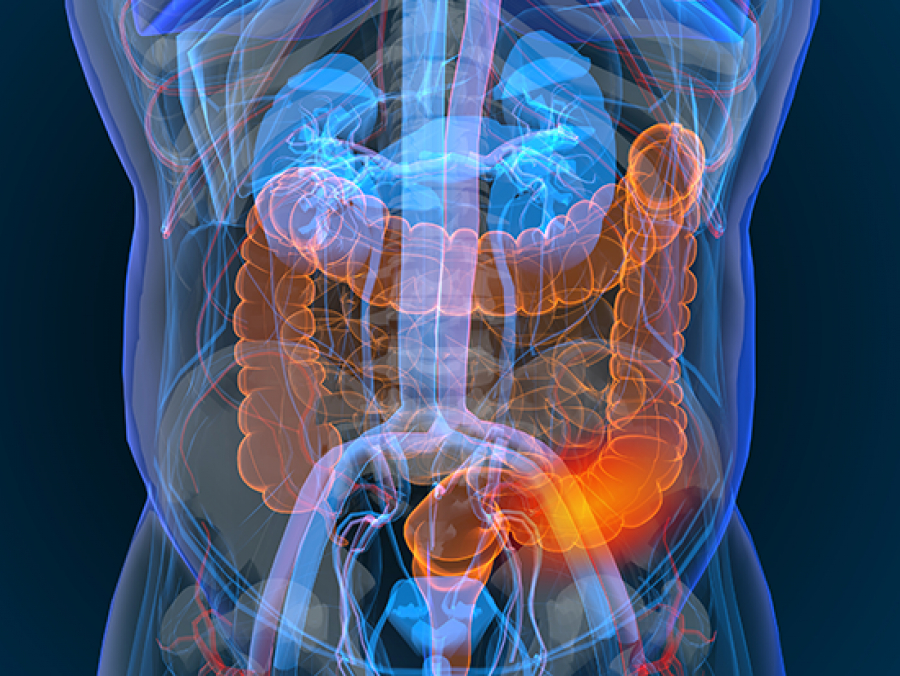
Mortgage lending discrimination in the 1930s is still geographically associated with inequities in colon cancer care today. Colon cancer often can be treated successfully if detected early.

UAB researchers say the presented data indicates that a younger age and higher HbA1c at baseline predict early treatment failure and point to the need for more aggressive initial treatment in these patients.

Chemotherapy is a common treatment for TNBC, but studies show that only 40 percent of tumors respond to the treatment. A team of researchers have developed a model using machine learning to predict patient responses.

This research analyzes the oral health of geriatric and pediatric patients in Southeast Alaska.

Participants between the ages of 18 and 60 who received peer coaching showed significant reduction in systolic blood pressure.
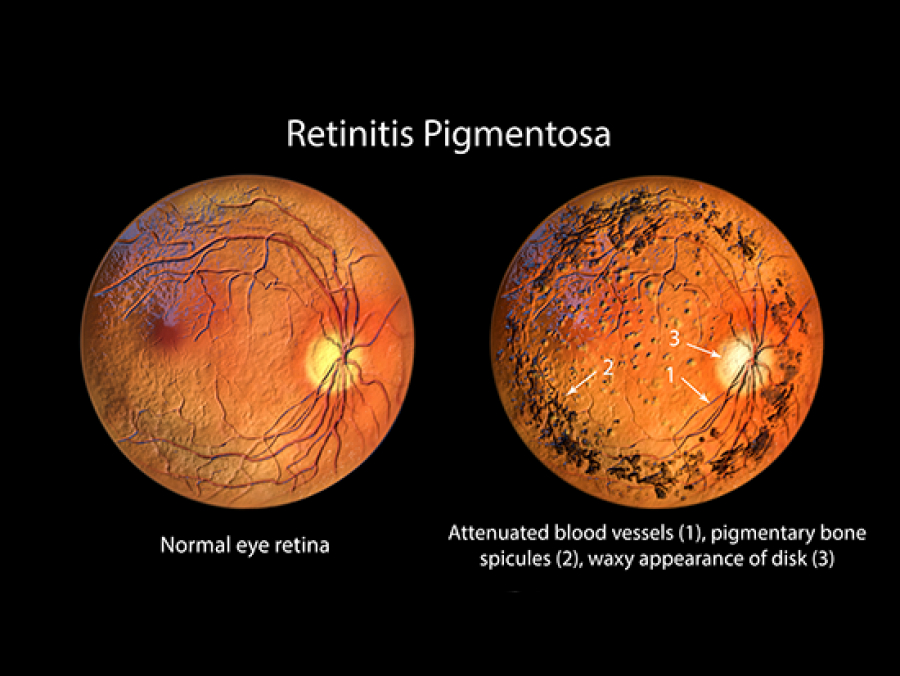
A modifier gene is one that changes the observable characteristics, called the phenotype, or molecular expression of other genes.

A new artificial intelligence center will bring more discovery in the field to UAB.

A large nationwide study found that Black individuals carrying a genetic mutation in the TTN gene were at an increased risk of adverse clinical outcomes.

Results showed that African American veterans with PTSD had a higher risk of rehospitalization than those without PTSD. However, white veterans with PTSD did not have a significantly higher risk of rehospitalization post-stroke.
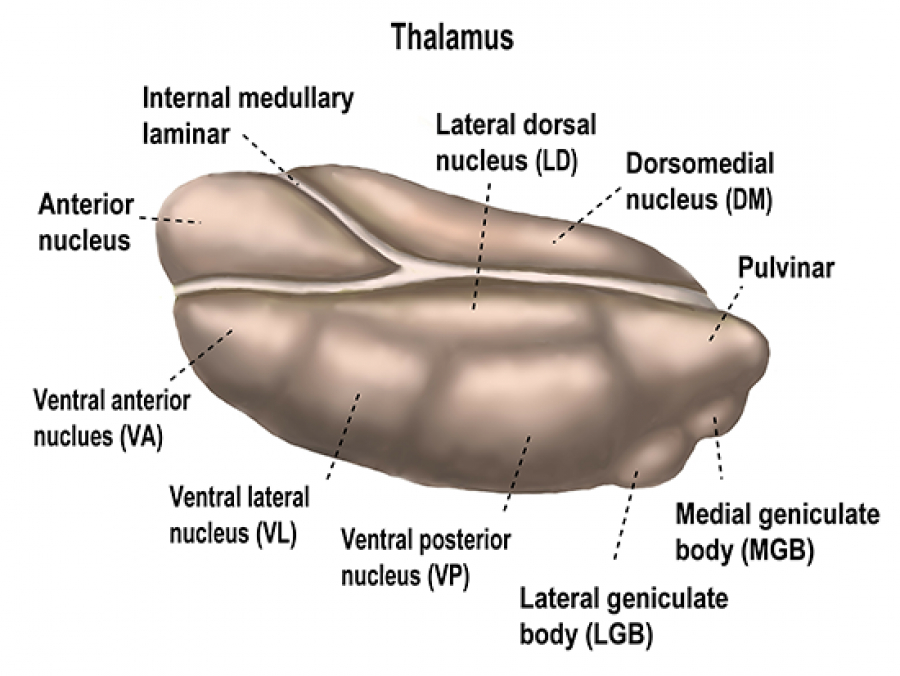
In the mouse brain, two neural pathways were discovered: The first is active during motivation; the second is active only at the termination of motivation. In humans, these pathways could underlie motivational dysfunctions present in various psychiatric conditions.
UAB researchers leverage data from the SPRINT trial to show that intensive control of blood pressure reduces troponin I levels and this decrease in troponin I levels is associated with reduced risk of cardiovascular disease.

One UAB researcher shares how a shift in priorities has led to a significant reshuffling of employees, as they seek out environments they hope will provide a better experience, or at least one that is not worse.
These research areas — part of the Convergence Revolution — have the greatest potential of achieving tremendous impact on the field of medicine in the coming decades or century.

New findings from UAB researchers indicates that preventable environmental factors like repeated blows to the head in contact sports and pesticides and herbicides account for a substantial number of Parkinson’s disease cases.
Benefits of the blood pressure medication verapamil include delayed disease progression, lowered insulin requirements and preservation of some beta cell function.
UAB’s Campaign for UAB has raised more than $617 million toward its $1 billion goal in the university’s largest-ever and most comprehensive philanthropic campaign.
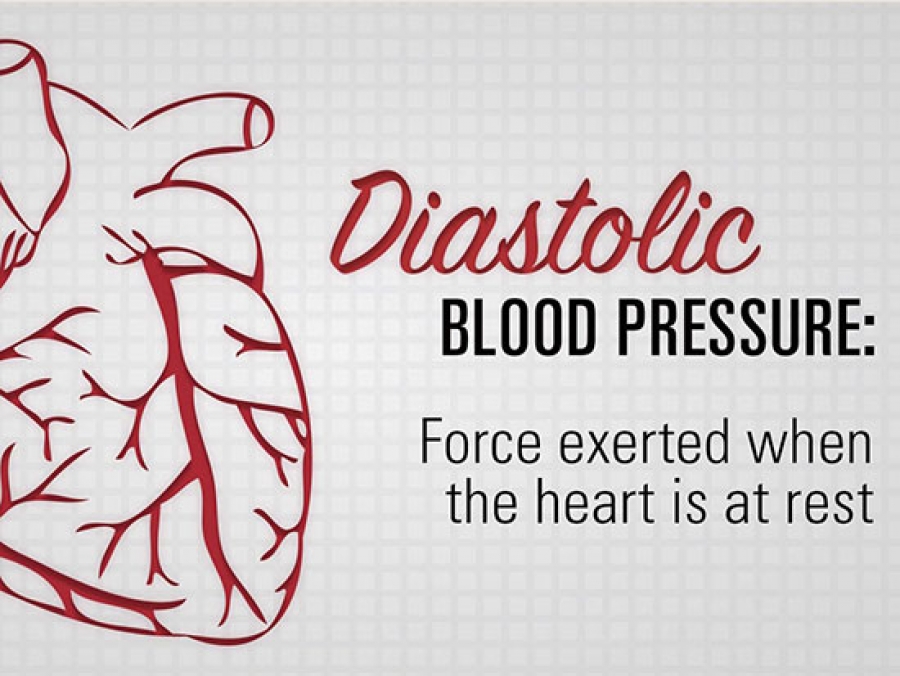
Low diastolic blood pressure is a risk factor for new-onset heart failure in older adults. UAB cardiologist Jason Guichard explains why that might be, the causes of low diastolic pressure and how to deal with it.