

-
UAB neuroscientist Kristina Visscher leads Neuroscience for All, a community initiative bringing hands-on brain science education to Birmingham through outreach programs, partnerships and interactive learning experiences.
-
UAB neuroscientist Kristina Visscher leads Neuroscience for All, a community initiative bringing hands-on brain science education to Birmingham through outreach programs, partnerships and interactive learning experiences.
-
UAB neuroscientist Kristina Visscher leads Neuroscience for All, a community initiative bringing hands-on brain science education to Birmingham through outreach programs, partnerships and interactive learning experiences.
-
UAB neuroscientist Kristina Visscher leads Neuroscience for All, a community initiative bringing hands-on brain science education to Birmingham through outreach programs, partnerships and interactive learning experiences.
-
UAB neuroscientist Kristina Visscher leads Neuroscience for All, a community initiative bringing hands-on brain science education to Birmingham through outreach programs, partnerships and interactive learning experiences.
At a young age, Kristina Visscher, Ph.D., associate professor in the Department of Neurobiology at the University of Alabama at Birmingham, developed a curiosity for science through frequent visits to a local science museum.
It was through these visits that she became intrigued by the ability to learn through hands-on interactions. These interactions, which differed from traditional classroom learning, allowed Visscher to unlock an understanding that was much deeper.
Visscher now leads Neuroscience for All, a community-based initiative that combines hands-on learning with basic neuroscience concepts.
Expanding access to neuroscience
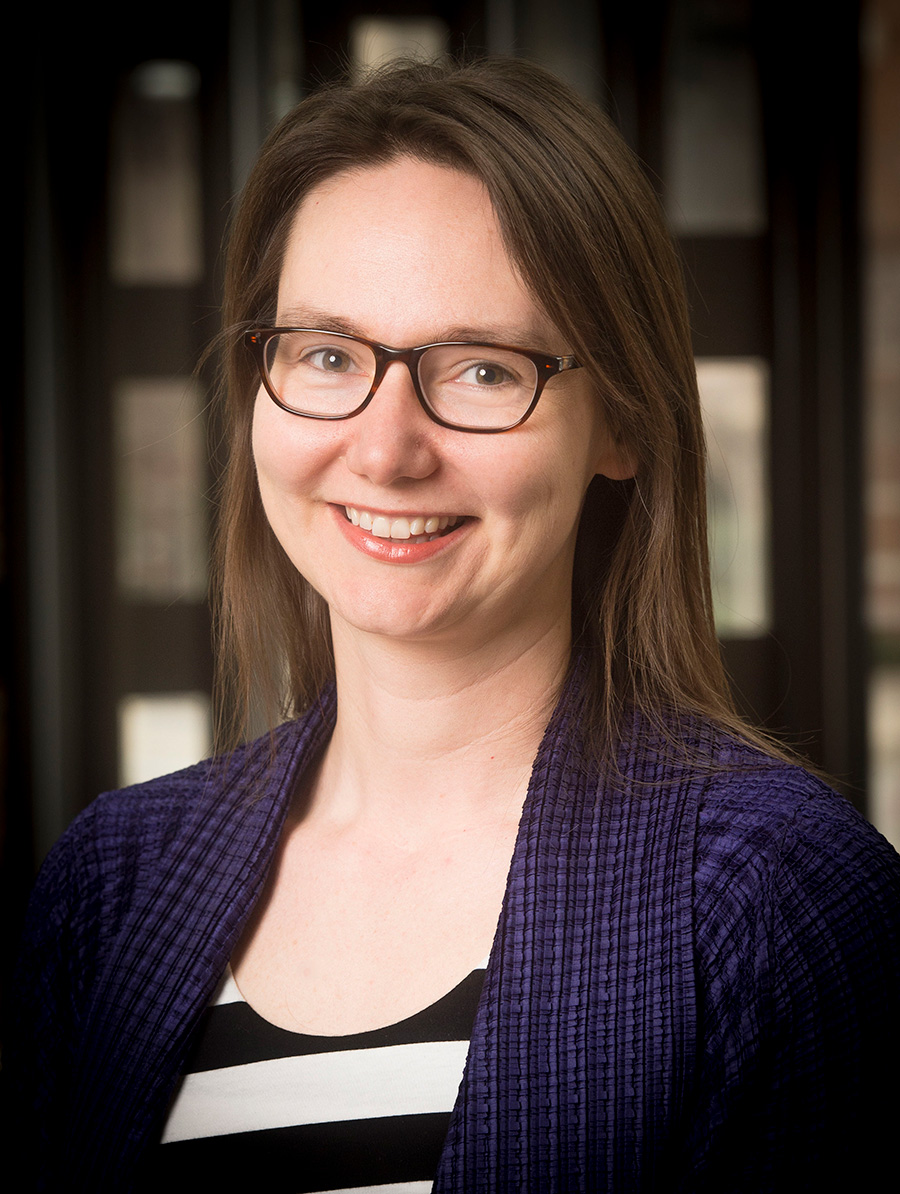 Kristina Visscher, Ph.D. Neuroscience for All includes four programs: Brain Awareness Week, Brain Snacks, Brain Bites and Brain Chats. Each initiative is designed to make neuroscience accessible and engaging.
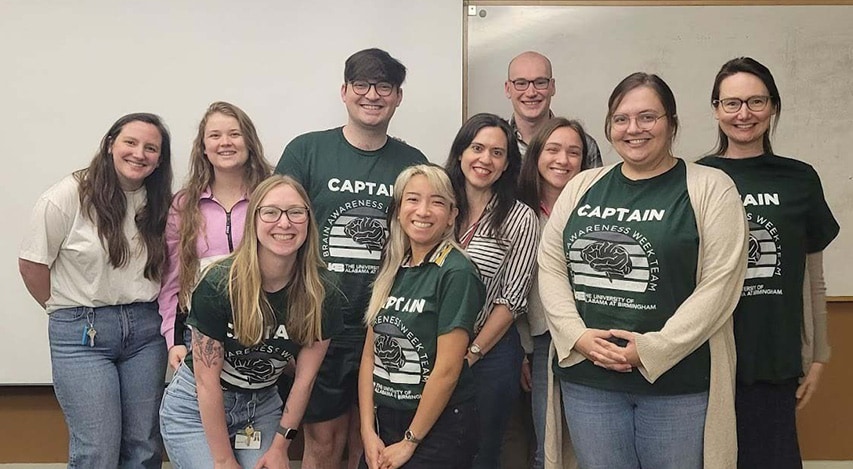
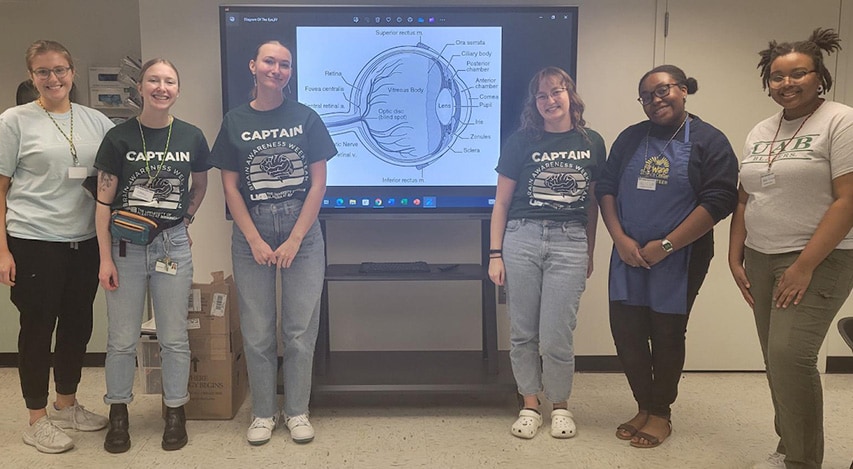
Brain Awareness Week, a global campaign organized by the Dana Foundation, takes place each March in partnership with the McWane Science Center. The weeklong event features dissections and demonstration workshops that portray the impact brain science has on everyday life. Visscher, who has been the faculty sponsor since 2009, leads Brain Awareness Week with a team of undergraduate students and volunteers.
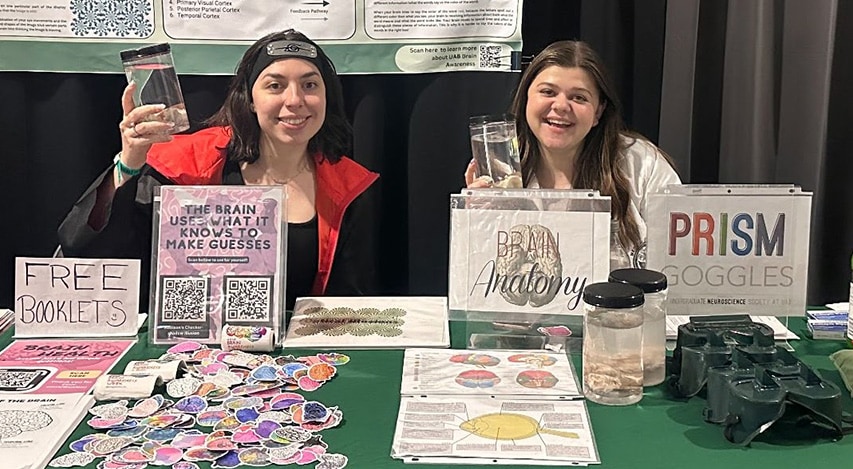
Brain Snacks offer small, digestible pieces of information about the brain that are presented through the same hands-on demonstrations used during Brain Awareness Week. These demonstrations are used during community events throughout Birmingham, including fun runs and food festivals.
“In each demonstration, we’ve identified the way that this particular hands-on demonstration is teaching people about the scientific method, and what it’s teaching them about the way the brain works,” Visscher said.
“The things that you are learning, you are learning through interacting with them. You’re not being told ‘this is how it works.’ You’re figuring it out yourself, and then you come away with a much deeper understanding of how this works.”
One example of these hands-on demonstrations is a 2-point discrimination test, which highlights how the nervous system processes sensory information. This and other demonstrations are designed to help participants actively discover basic principles of neuroscience.
“The goal is that Brain Snacks allow us to bring the neuroscience learning to where people are, instead of having people come to us.”
Brain Bites provide collaborative meetings that are open to scientists, researchers and students in Birmingham and create a space to discuss neuroscience outreach and upcoming opportunities. The meetings are open to researchers or students inside or outside of UAB and occur once a semester.
Brain Chats, which are hosted monthly at the Hoover Public Library, offer an opportunity to hear a short talk on a neuroscience topic, along with informal chats with experts on the topic. Brain Chats are free and open to the local community.
“The idea behind Neuroscience for All is that through these four initiatives we can get these ideas out to the broader public,” Visscher said.
Collaborating across Birmingham
Neuroscience for All has established partnerships with numerous libraries, museums and community events across Birmingham. The McWane Science Center has been a partner for over 15 years, collaborating each year during Brain Awareness Week. Additional partners include the Avondale Regional Branch Library, Hoover Public Library, and community events such as Comic-Con, Taco Fest and Día de los Muertos.
Additionally, Visscher partners across UAB and within the Marnix E. Heersink School of Medicine to invite experts as featured guests for Brain Chats, including faculty from the Department of Psychiatry and Behavioral Neurobiology, the Department of Neurology, and the School of Engineering.
From outreach to impact
Through Neuroscience for All, Visscher aims to spark scientific interest among people of all ages in the Birmingham community. From children in grade school to working adults, her goal is to create a lasting impact.
“I had a graduate student who grew up in Birmingham come talk to me about how they really enjoyed Brain Awareness Week when they were a kid, and then they went on to graduate school in neuroscience,” Visscher said. “That’s the goal.”
Inspiring the next generations of scientists is just one way Neuroscience for All is making a difference. Visscher emphasizes the broader impact of neuroscience education on public health.
“The goal of all neuroscience research is, in some way, to make the world better,” Visscher said. “We want to better understand the way the brain breaks down various diseases so we can cure them.”