By: Nathan Anderson
On a weeknight in Birmingham, the sound of laughter, conversation, and the quiet determination of children solving math problems fills a school gym. Tables are set up with hands-on STEM activities, families move from station to station together, and what might once have felt like a stressful subject becomes something joyful and shared. For Jacqueline Clark Nicholas, a PhD candidate in Educational Studies in Diverse Populations at the University of Alabama at Birmingham, moments like these are not just events; they are the heart of her academic work and her community mission.
As a person of faith, Nicholas’s path into doctoral study was driven by a clear sense of purpose: to conduct research that is socially meaningful and grounded in equity. She was drawn to the Educational Studies in Diverse Populations program because of its emphasis on culturally responsive teaching and community engagement. That focus, she says, has shaped not only her scholarship but also her identity as an educator committed to inclusion, empathy, and real-world impact.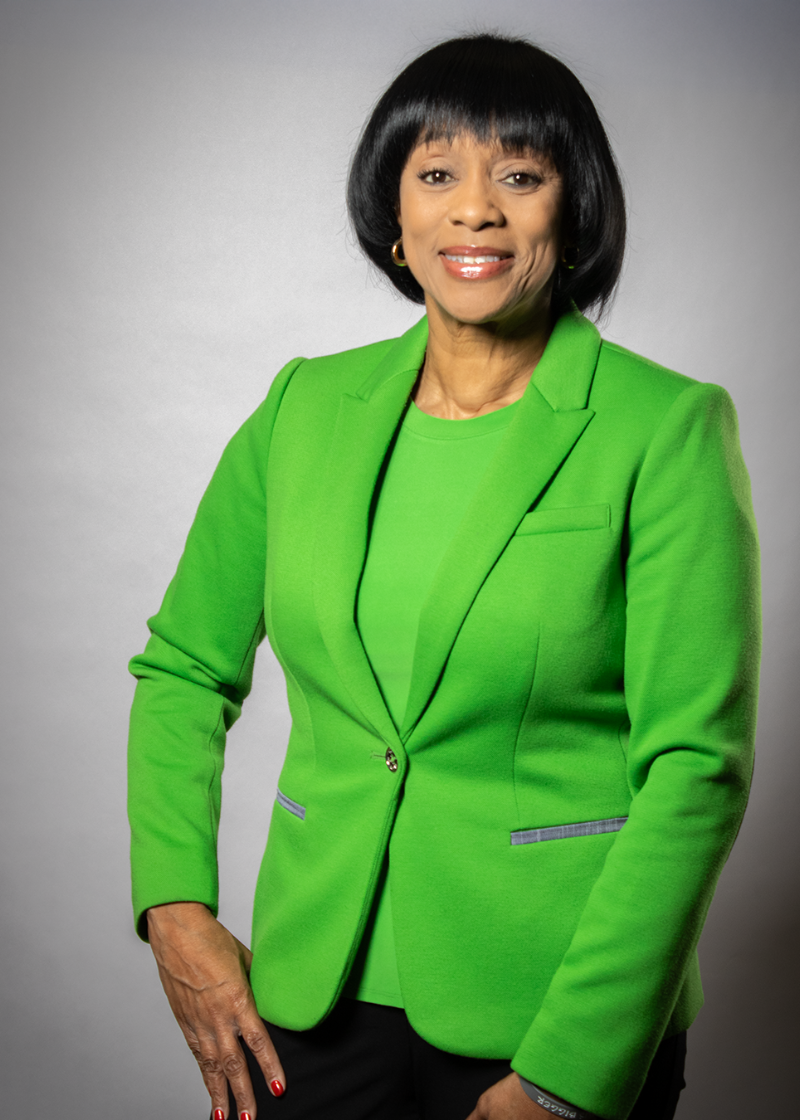
“As an educator, I have always felt committed to ensuring students feel safe, loved, and seen,” she explains. “Students need to know you see them, literally and figuratively. They need to feel that you understand their plight in life and are not judgmental.”
That philosophy comes to life in her dissertation, which examines teachers’ perceptions of Family Math Nights as a means to strengthen school–family–community partnerships in urban middle schools. But for Nicholas, this is not simply a research topic; it is a practice she began building years before her doctoral studies fully took shape.
In 2020, during a graduate course in critical pedagogy for diverse populations, she was challenged to design a project rooted in her passions. Already committed to mathematics education and community engagement, she envisioned an experience that would bring families and schools together through math in a new way. That idea became Family Math Nights (FMNs), first launched virtually during the height of the COVID-19 pandemic for Carol W. Hayes School.
What could have been a limitation, a virtual setting during an uncertain time, instead revealed a possibility. Families logged on from home, engaging in interactive math activities designed not as worksheets or lectures, but as shared experiences. That first event, she recalls, made something clear: when schools intentionally invite families into the learning process, the impact extends far beyond academics.
Since then, FMNs have evolved into in-person community events that continue to grow in both reach and influence. Their goal is simple but powerful: increase mathematics literacy while reshaping how students and families experience math. Instead of anxiety or avoidance, Nicholas wants students to associate math with curiosity, confidence, and connection.
“I am sure you’ve heard someone say, ‘I am not good at math, or I hate math,’” she says. “My life’s goal is to change these perceptions by providing students and families with FMNs in addition to traditional math classes.”
At each event, K–8 students and their families rotate through hands-on, standards-based activities designed to be both educational and engaging. The structure is intentionally grounded in research but built for play, collaboration, and discovery. In those moments, math becomes less about right answers and more about shared problem-solving.
The impact, Nicholas says, is visible in real time: students who once hesitated begin participating eagerly, families who once felt disconnected from math become active learners alongside their children, and the atmosphere shifts into something she describes as almost palpable.
That emotional connection, she believes, is what makes FMNs so effective. The experiences don’t just teach mathematical concepts; they challenge long-held beliefs about who can succeed in math and what learning can feel like. And for many families, those impressions last long after the event ends.
Nicholas also emphasizes that this work extends beyond K–12 schools. For graduate students in particular, she believes experiences like FMNs are transformative. She sees community engagement as central to academic excellence rather than separate from it.
“Experiences like FMNs prepare graduate students to become leaders beyond the university,” she explains. “When graduate students support students and families from a demographic or socioeconomic status that differs from theirs, they develop a sense of empathy and compassion.”
Quoting Dr. Maya Angelou, she reflects, “People will forget what you said, people will forget what you did, but people will never forget how you made them feel.” That belief, she says, guides every FMN she helps design.
As her doctoral journey continues, she remains focused on expanding that impact across Birmingham and beyond. What began as a classroom assignment has grown into a sustained model for engagement, one that bridges schools, families, universities, and communities through something deceptively simple: learning together.